Coffee with Cassandra: The impact of being commissioned

Before you start your workday, enjoy your morning coffee with brew from Methodist Healthcare Ministries. This is your daily dose of stories that speak to the heart of our organization, paired with your favorite cup of joe!

Creating a space for our regional team members to reflect on their ministry and the impact they can make in their communities is important. It is for this reason that we have our annual Methodist Healthcare Ministries’ pastors summit and forum.

During my interview with Omar Chavez Jr., RN, Wesley Nurse, I learned that the commissioning ceremony creates a spiritual connection beyond what I had imagined.

Coffee with Cassandra: Rural health barriers to Get FIT

Before you start your workday, enjoy your morning coffee with brew from Methodist Healthcare Ministries. This is your daily dose of stories that speak to the heart of our organization, paired with your favorite cup of joe!

Living in a big city has a lot of advantages like short drives to parks, shopping and more. But for families in rural communities enjoying a park or accessing health care can mean long drives far from home. Rural living can be nice, but it can create barriers to care.

During my interview with Christian Umana, Family Wellness Programs Coordinator, I discovered why the Get FIT program is so vital to lives of nearly 400 children living in rural South Texas.

What I learned from my internship at Methodist Healthcare Ministries

Having recently graduated from high school, I embarked on a new journey working as an intern with Methodist Healthcare Ministries through SA Works, an internship program that connects students with some of the top companies in San Antonio. I had the honor of working with the human resources department and experience what it is like working alongside professionals. As soon as I was hired, I realized joining Methodist Healthcare Ministries would help me evolve my skills, and prepare me for entering the workforce.

On the first day of my internship, I was given a list of goals. My biggest assignment was to gather video footage that would be used to create a video that highlighted the SA Works program at Methodist Healthcare Ministries. I was tasked to record interviews of all 11 interns detailing their internship experience. It was the first time a video of the sort was created for Methodist Healthcare Ministries. I interviewed the interns, recorded the footage and also took pictures of the interns working. There was so much to learn. Throughout the project, I gained more and more experience and understood key points of human resources, such as employee relations, scheduling, organization skills, interviewing and interpersonal skills.

During my first week, I created an eight-week schedule to help me better my time management skills. I set reminders, coordinated schedules, set up meetings and scheduled interviews.

We attended professional development workshops about twice a week. They were a great way to interact with the other interns. The workshops offered fundamental learning about leadership, our community and teamwork. One of the workshops, “Leadership 101,” went over key traits of being a leader. We began by reading quotes from notable leaders and then participated in activities that revealed our strengths. I learned there is no definite definition of a leader; a leader could be anyone who puts in the effort. From this experience, I think being a leader means being there for your team and participating while also guiding.

I want to thank my co-workers and managers for welcoming and guiding me. I loved how cooperative everyone was. Working with the human resources department helped me understand collaboration and the value of teamwork. I chose to work at Methodist Healthcare Ministries because of the face-to-face experience. I liked that I wasn’t just ‘behind the scenes.’ I actually had the chance to engage with professionals and feel like I was a part of the team. I enjoyed my internship at Methodist Healthcare Ministries, I learned a lot, and they had so much to offer.

Moving forward, I’d like to continue my education and become a registered nurse. During my visits to Wesley Health & Wellness Center, I was able to see registered nurses working with patients. After seeing those nurses, and even after learning more about the Wesley Nurse program, this internship reaffirmed my desire to work in health care so that I can one day develop a great bond with the patients I would serve.

Looking upstream: seeking community well-being through prevention

To whom it concerns:

Several months ago, a friend of mine was tubing on the Guadalupe River when she heard the wails of a small child in a nearby tube. Puzzled that there weren’t any other adults around, my friend drew closer and realized to her horror that the child had several bruises on her chest and face. The girl was crying so hard that she could barely speak. After a few minutes, my friend discovered that the child was all alone and couldn’t remember how she ended up on the river.

Calling to a few people on the shore, my friend directed someone to call 911. Another person wrapped the girl in a towel, and someone had just given her part of a sandwich when an emaciated man with a panic-stricken expression suddenly appeared, trying to keep his head above the water. Immediately, my friend dove back into the river and pulled him to shore.

Noticing the situation, several more people came over to help. Like the child, the man couldn’t remember how he came to be in the river. He was deeply grateful for their help. Shivering and barely able to walk, he needed immediate medical attention.

As a few of the bystanders posted pictures to social media, my friend heard yet another cry for help, and she turned back to the river to see a young woman coughing loudly and gasping for breath. People in crisis seemed to be materializing one after another! As she helped with yet another rescue, my friend began to organize the volunteers around her. She formed a rescue line to pull people out of the water and organized a separate team to provide first aid, snacks, and dry towels.

In the hours that followed, many more volunteers arrived to help, and my friend called me to ask that I set up an online account to receive donations. Over the next few weeks, we constructed a makeshift tent city and successfully sought 501(c)(3) nonprofit status so that we could more adequately respond to the needs of the river survivors. To this day, we’ve grown to 150 staff members who faithfully continue to rescue and assist anyone in distress. Our records indicate that we have saved over 11,340 lives, thanks to more than 150,000 hours of volunteer time and over 430 tons of material donations.

In my now full-time role as Director of Development, I write to ask for your financial partnership as we continue to fulfill our mission. We can’t do it without you!

Sincerely,
                  Director of Development

This isn’t my story. This is a variation on an allegory known as “Babies in the River.” Typically, it is used to launch a discussion about the difference between charity and social justice through questions such as:

  • What did the onlookers fail to do? (They failed to look upstream!)
  • How do you think the volunteers felt about their work?
  • How does this story illuminate or challenge our assumptions about the work we do?

I don’t retell this allegory to belittle charity work. Responding to immediate, basic needs is both noble and biblical, and it is certainly part of Methodist Healthcare Ministries’ mission. Instead, my goal is to remind us that charity can be endless if we don’t also address the root causes that create suffering. Why are we seeing so many people downstream?

Increasingly, the health care industry is concerned with population health. In other words, the overall goal for health care is expanding from: A) a focus on health outcomes for individuals or a panel of individuals served by a common health care provider, to also include B) a focus on health outcomes for the entire population, for whole communities.

To successfully accomplish our mission, we must not only provide the highest quality clinical care to the individuals we serve – we must also look upstream to understand and address the various factors that lead to disease and poor health. What are the root causes of our patients’ ill health? What are the root causes of our communities’ ill health? How can we address those root causes, even when they precede and loom much larger than any clinical care we can provide?

I believe wholeheartedly in policy work. Parallel to our policy efforts, we must also work upstream, partnering with others to prevent disease before it becomes more complicated and costly. Thankfully, Methodist Healthcare Ministries already channels some of its resources in this direction, from fitness and parenting programs to some of our community grants, to local community health efforts involving our Wesley Nurses. How else can we look upstream? How can we bolster and deepen our current efforts? More than anything, how can we become more holistic and intentional in seeking community well-being through prevention?

Perhaps the 58th chapter of the book of Isaiah can help us examine and redefine our work. Faithfully following God means that we loose the bonds of injustice and undo the thongs of the yoke. More than that, it means that we break those yokes and participate in liberation for all! Then our light shall break forth like the dawn, and our healing shall spring up quickly … God will guide us continually, and satisfy our needs in parched places, and make our bones strong. And we shall be like a watered garden, like a spring of water, whose waters never fail.

May it be so.

Tim Barr is the Collective Impact Strategy Manager for Methodist Healthcare Ministries. He supports, develops, and facilitates collaborative efforts in the Coastal Bend region.

From classroom to corporate office: A look inside Methodist Healthcare Ministries

Having recently graduated from Texas Lutheran University in December 2015, the transition into my professional career was an exciting challenge. The change from college student to communications professional was quite an adjustment in the thought process. I reached my one-year anniversary at Methodist Healthcare Ministries last December, where I have had many new opportunities to learn and grow, but one particular project has helped me gain a new level of understanding of how internal communications plays a role in an organization’s success. Preparing for Methodist Healthcare Ministries’ first town hall, for instance, was not what I imagined I would be doing the first year into my career, but it taught me so much.

Every year Methodist Healthcare Ministries hosts an employee retreat to provide a day for fellowship and team building. With team members spread across South Texas, it can be difficult maintaining relationships. The retreat provides the space for us to connect with each other. We have a lot of fun playing games, eating and recognizing the many blessings in our life. It is evident Methodist Healthcare Ministries recognizes that in order for team members to provide quality care for patient/clients, they must first take care of themselves. For team members to better understand how their role affects the community we serve, I was tasked with finding a way to create an open line of communication at the retreat. It was with that goal in mind that we decided to host the organization’s first-ever town hall.

Where to start?

This event was a first for me as much as it was for the organization. Keeping the overall objective in mind I asked myself two questions: What is the goal of this town hall? What will team members and the executive staff want from this type of event? I then moved on to creating a project outline that entailed all the moving pieces it would take to make this town hall successful. From sending invites to speaking with leadership, it can get crazy!

Execution

When the day of the event came I felt as prepared as I could be, my only fear was running out of time. Everyone loved the vibe (the theme was “Serv-ivor” a play on the organization’s tagline and of the hit reality show) and the program ran smoothly. Both team members and leadership participated in the Q&A session and interactive polls, which made the environment comfortable. The moderator set the tone with a positive approach to open communication and got the audience engaged. The event was executed on time and there were smiles among the crowd along with lots of laughter.

Understanding organizational priorities

As with any project, whether it be college or career, I learned you must stay open to constructive feedback and be ready to modify your plans. When I worked on my senior thesis, it was subject to peer reviews and professors’ notes. Now, executive staff and employees influence my work. As a student, I knew the edits I had received affected my grades. In the professional environment, I have to consider the impact my work has on our team members and executive leadership. I had to understand both side’s needs and create a balance between the two; our leadership wanted to hear from employees, but they needed team members to listen too.

The town hall represented a step towards creating an open line of communication. Having open communication keeps our team members feeling engaged. When team members feel engaged they have a stronger connection to our mission of “Serving Humanity to Honor God,” which helps them build a strong relationship with their patients/clients. All health care organizations have a focus on their patients/clients, but for our leadership it was and is especially important to extend that same care to team members.

I am happy to be in an environment where leadership continuously looks for opportunities to better connect with the team, thus providing a great place to work while serving others.

Hundreds receive free dental care from mobile dental clinic in Kerrville, Texas

By Theresa Standage, RN, Wesley Nurse (Kerrville, Texas)

When I saw the Texas Mission of Mercy (TMOM) trailer pull into the parking lot of Kerrville First United Methodist Church, my two-year aspiration became a reality. I had a vision of bringing mobile dentistry to Kerrville after several of my uninsured patients expressed a need for dental care and shared stories of self-care treatments and going to the Peterson Regional Medical Center's emergency room in search of relief from painful toothaches. With the help of donations from Methodist Healthcare Ministries, the Perry & Ruby Stevens Charitable Foundation, and the Hal & Charlie Peterson Foundation, the event was placed on the calendar for March 2017 and I was delighted to serve as lead organizer.

As a Wesley Nurse, I'm committed to helping the least served through education, health promotion and collaboration with key organizations. Once I was introduced to TMOM, I knew how beneficial it would be to Kerrville community members. Texas Mission of Mercy is a mobile dental clinic that travels around the state providing basic dental care (including cleanings, fillings, or extractions), free of charge, to uninsured Texans. They provide services without any pre-qualifications; therefore, patients do not have to prove their poverty or residency.

The event had the help of 529 volunteers, including 161 community members and 59 dental professionals (pediatric dentists, orthodontists, and oral surgeons). The two-day event brought dental staff from all over the state of Texas, with some traveling from as far as Brady, Texas. Local dentists, Dr. Jennifer Bone and Dr. Jamie Bone, were the dental chairpersons for the event.

"It's amazing to see the community support for this event — from the financial support of our major sponsors to the in-kind contributions of local businesses and countless volunteers giving their time to help Friday and Saturday," said Dr. Jamie Bone. "It's a tremendous undertaking, and it's heartwarming to see people coming together for such a good cause."

As early as 8 p.m. the night before, patients with blankets in hand started lining the sidewalks of Kerrville First United Methodist Church. Dental chairs had been assembled, water had been piped in, and the gym had been transformed into a 20-chair dental clinic. By 5 a.m., patients were being checked in and receiving dental consultations, x-rays, and even extractions. For many, it was the first time they had ever seen a dentist.

"An urgent dental problem can have a major impact on a person's life; it can affect a person's confidence, mood, job and school/work performance," explained Chairperson Dr. Jennifer Bone. "Kerrville's TMOM was just a two-day event but it helped make a big difference for the people who received treatment."

At closing Saturday evening, it was evident how the community had come together. A total of 445 patients received treatment; we averaged six people every 15 minutes. The event provided $281,835 in free dental services, about $633.34 per patient. However, the greatest thing about the event was everyone's spirit. Both event days were nonstop, but the patients and volunteers alike all had smiles on their faces and a spring in their step. It was incredible to see. View more event photos on Methodist Healthcare Ministries' Facebook page.

The TMOM Committee would like to express appreciation to:
• Acapulco Restaurant
• Community Foundation of the Texas Hill Country
• Community Volunteers
• Five Star Rental
• Hill Country Dental Associates
• Kerrville First United Methodist Church
• Methodist Healthcare Ministries of South Texas, Inc.
• Peterson Regional Medical Center
• San Saba Cap Company
• Texas Dental Association/Smiles Foundation
• The Hal & Charlie Peterson Foundation
• The Perry & Ruby Stevens Charitable Foundation

Wesley Nurse Theresa Whitley is working with her community for TMOM's San Angelo event, Oct. 13-14, 2017. For more information or to volunteer, please email twhitley@mhm.org or register at https://tmomvolunteer.org.

Theresa Standage, RN, is a Wesley Nurse with Methodist Healthcare Ministries of South Texas, Inc. Methodist Healthcare Ministries' Wesley Nurse program is a faith-based, holistic health and wellness program committed to serving the least served through education, health promotion and collaboration with individual and community in achieving improved wellness through self-empowerment. Learn more at www.mhm.org

Discovering more on mental health

By Sharon Skaggs, Wesley Nurse, Austin

Last February, my fellow Wesley Nurse, Eileen Stedl-Walter, and I had the opportunity to host an exhibit table at the 17th annual Central Texas African American Family Support Conference held in Austin, Texas. The table was shared with one of Methodist Healthcare Ministries' funded partners, Planned Living Assistance Network of Central Texas (PLANCTX). The conference was provided by Austin Travis County Integral Care (ATCIC) along with community sponsors from both public and private sectors. More than 400 people attended the event and had access to 30 interactive workshops about mental health, developmental and intellectual disabilities, chemical dependency and co-occurring disorders.

In November 2000, according to the ATCIC, integral care took its first step towards addressing myths about mental illnesses and health disparities by hosting the inaugural conference with culturally relevant information for African Americans. The conference's ongoing mission has been to strengthen family and individual awareness of available health care services, both behavioral and physical, through culturally sensitive education, support, and partnerships. The conference targets the African American community but embraces all members of the community regardless of race. In addressing these vital issues over the years, the conference has also sought to reduce stigma about mental illness in the African-American community. One speaker, Tamu Lewis, summed it all up when she stated: "there is no health without mental health."

The event had an inspiration wall which asked the questions: Why are you here? Why is the conference important? What will you take away? The wall was completely covered with thoughtful answers from the attendees.

IMG 0168

 The conference was an excellent opportunity to increase our awareness of issues facing our community, gain knowledge about wellness, recovery and professional development, learn about area resources, and network with our peers. We were happy to represent Methodist Healthcare Ministries at the conference.

Methodist Healthcare Ministries' Wesley Nurse program is a faith-based, holistic health and wellness program committed to serving the least-served through education, health promotion and collaboration with individuals and communities to achieve improved wellness through self-empowerment. Learn more at www.mhm.org/programs/health-ministries


Snow Covers

By Marti Faulkner, RN, Wesley Nurse, 

I remember going hunting for rabbits with my grandfather when I was little. He would shoot them; I would get out of the car and get the rabbit to place it in the ice chest in the back of the car. Then we would slowly drive down the road waiting for our next dinner to hop up in our path. Those times were precious to me and I have many memories of harvesting dinner with my grandfather. One memory, in particular, stands out to me the most: We were hunting in New Mexico on some old oil field dirt roads in the middle of nowhere. It had snowed quite a bit and everything was covered with a white blanket. When my grandfather shot the first rabbit, I was surprised at how bright the blood appeared on the snow. I was about 10 years old and decided it was really creepy so I tried to cover it up. I would kick snow on top of the blood, but the blood kept seeping through. I couldn't figure out why, but I worked harder and put on more snow until I couldn't see it anymore. Little did I know that this memory would be very significant to me and the impact that I make on my patients.

Mental health is an issue that often goes unaddressed. During the holidays you see an increase in suicides and the inpatient mental health units tend to fill up. People become impatient with each other and often times feelings are hurt and things are said that can't be undone. I try to think of each person in my life as snow and this is why. The snow sparkled in the sun and was a beautiful cover across the fields. We all know snow is frozen, yet the blood of that rabbit was hot. When I put new snow on top of it, the blood would melt the new snow and the blood would show through. The blood reminds me of an emotional injury, once it's there it burns hot and takes a lot of work to cover up. The new snow being placed on top of the blood reminds me of positive things trying to cover up the hurt from an emotional injury. In the beginning, it keeps melting and the injury shows through. Once the blood is finally the same temperature as the snow, when it has had time to cool off, you can begin to make progress in covering it up. This is when it quits melting the new snow or when a person begins to heal. It takes a lot of rebuilding and positive reinforcement and actions to help someone recover from an emotional injury.

When you are dealing with people that are injured, it may take a lot of snow to make that beautiful fresh blanket be untarnished again. This takes time and patience – that is why it is important for us to build relationships with our patients. When you are dealing with a patient, friend, family member or even a stranger, always think before you act out of frustration or anger. Ask yourself a single question: "How much snow will it take to cover up what I am about to say or do?"

Funded Partner Spotlight: Mercy Ministries of Laredo

Methodist Healthcare Ministries is dedicated to providing access to care to low-income families and the uninsured in South Texas. It's mission of improving the physical, mental, and spiritual health of the least-served is the driving force behind its funded partnerships. For this reason, Methodist Healthcare Ministries has been proud to partner with Mercy Ministries of Laredo, a clinic of the Mercy Health System which also strives to help the underserved through holistic patient-centered models.

"Our missions could not be more comparable. We care deeply about the medically underserved and we are trying to make their lives better," said Sister Maria Luisa Vera, president of Mercy Ministries of Laredo. "Mercy Ministries has been blessed with a 10-year partnership with Methodist Healthcare Ministries."

Mercy Ministries is a mid-level practice that provides primary health care services to unfunded residents of Webb County. Currently, Mercy sees between 1,800 to 2,000 adult patients, primarily Hispanic, between 18-70 years of age. All services are provided to the uninsured on a sliding-scale at 250 percent of poverty, based on income and family size.

"Our main goal is primary health care with a heavy emphasis on prevention and education," stated Elizabeth Casso, vice president and CFO of Mercy Ministries of Laredo. "We want to provide as good a care in this clinic as they could get anywhere."

Since 2007, Methodist Healthcare Ministries has provided Mercy with grants that have assisted their dental, diabetes, and women's health programs. In addition, Mercy's variety of services includes medication assistance, social services, and nutritional guidance, as well as a mobile clinic that travels to 14 Webb County sites (colonias, inner city, and rural areas).

Nearly three years ago, Mercy began to shift its focus to integrated behavioral care (IBH).

"We started looking at how mental health affected our patients and their chronic diseases," said Casso. "We were looking to address the needs of our community and look for solutions; we wanted to help our patients overcome their problems and get better outcomes."

An added solution came in the co-location of Methodist Healthcare Ministries' behavioral health supervisor, Zonia Garza. By being on site, Garza offers Mercy patients support services such as one-on-one counseling to help with issues of parenting, family relationships, depression and substance abuse and referral assistance. Garza is able to assist Mercy through case management and support services that are designed to help people who are uninsured, whose existing coverage does not provide mental health services benefits, are low-income and lack the money to pay for counseling services, or would not receive treatment any other way.

"Having Zonia in our clinic two days a week is an added blessing," said Sister Maria Luisa Vera. "Because Zonia came to Mercy before the start of the Sí Texas Project, we already could envision what was possible if our services evolved into an IBH model."

In 2015, in further pursuit of introducing IBH to patients, Mercy Ministries joined Methodist Healthcare Ministries' Sí Texas: Social Innovation for a Healthy South Texas project, a Social Innovation Fund program that stimulates local solutions to improve both physical and behavioral health together, such as diabetes and depression. Sí Texas focuses on IBH models that are effectively improving health outcomes in communities with high rates of poverty, depression, diabetes, obesity and associated risk factors.

Through the Sí Texas Project, Mercy Clinic enhances its current integrated services, utilizes referral psychiatric services, and incorporates a spiritual wellness component that gives patients the option to augment their counseling through prayer, church referral, pastoral counseling, family counseling, or all of the above depending on patient need. The aptly named, "Sí Three" initiative is based on three aspects of wellness: mind, body, and spirit. The model moves the clinic from its existing co-located model, in which behavioral and physical health services were offered in the same building, to an integrated model in which these services are fully coordinated.

Natalie Burkhalter, family nurse practitioner and Sí Texas project manager at Mercy Ministries, explains, "We wanted to see how the values of our clinic and those three components were driven throughout the clinic so the patient could have complete service – whether it be physical, behavioral or spiritual health, holistically, everything in one. We've even changed our outcome deliverables to be much more evaluative, for the long-term, so we can help as many people as we can."

Three years into the five-year project, with approximately 400 patients participating, Mercy is already witnessing improvements such as better health numbers and patient compliance.

"Our patients are committed to our clinic and to their care. They come because they want to come; they want to get better and maintain their health. Self-management is key to their success and their wellness," said Burkhalter.

Mercy plans to integrate IBH care with all of its patients even after the Sí Texas Project is complete in 2019. According to Casso, the Sí Texas Project has given Mercy many opportunities; it's increased the clinic's capacity and helped evolve the conversation about data, evaluation and outcomes.

"I hope we can help all of our patients stay healthy, and that they can share their health education and teach their families to be healthy too," said Casso. "For example, we offer diabetes classes so patients can learn about their disease and how to manage it. One of our patients' has a husband that's a truck driver. One weekend he wasn't feeling well and was exhibiting symptoms of diabetes. Because of her own experiences as a diabetic, she suspected he was diabetic too, so she brought him quickly to the clinic before he took off on the road again, which could have made his symptoms worse had he waited longer. I think it's great she applied what she learned and was able to help him."

Counseling is always an option

By Elvira Cruz, LCSW, Community Counseling Services Manager

Methodist Healthcare Ministries' Community Counseling services help people who are uninsured; whose existing coverage does not provide mental health services benefits; who are low-income and lack the money to pay for counseling services; or who would not receive treatment any other way.

Counseling can help individuals or families struggling with various issues. It can assist in making sense of situations by offering tools for challenging mental health journeys. It can teach healthy boundaries and identification markers for anxiety struggles. It can motivate you to socialize. Counseling can teach you healthy choices to cope with depression or self-harming behaviors, or it can help you work through an eating disorder or an addiction.

Some people struggle daily with anxiety, fears, anger, desperation or despair, and may need help understanding and managing his or her feelings. Do you know someone who is irritable or aggressive, has risky or destructive behavior, seems hypervigilant, has heightened startled reactions, has difficulty concentrating or cannot sleep? You can play an important role in lending a helping hand or an ear to listen. It's easy to get stuck in a cycle of unhealthy mental health. If you know someone who is hurting, we're here to help.

Counseling services are provided by trained, licensed professional counselors and social workers in local churches across the Rio Grande Valley, Laredo and the Coastal Bend. Sessions are private and conducted in a safe and familiar environment such as churches and community centers. To learn more about Methodist Healthcare Ministries' community counseling services, visit www.mhm.org. Find a community counselor near you at www.mhm.org/map

God bless.

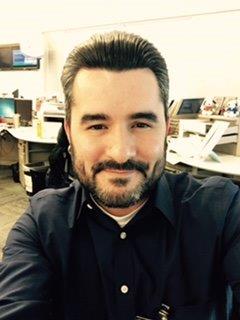
Medtronic Q&A: Christopher Martinez, RN, WCC talks about his role as a Medtronic Turning Point health partner at Wesley Health & Wellness Center

CMMethodist Healthcare Ministries of South Texas Inc., has recently collaborated with Medtronic, a global leader in medical technology, to introduce the Medtronic Turning Point program to Methodist Healthcare Ministries’ patients with diabetes. As part of the program, patients work alongside a health partner and track their diabetes information on an innovative phone app. We sat down with Christopher Martinez, RN, WCC, a Medtronic Turning Point health partner housed at Wesley Health & Wellness Center – a clinic owned and operated by Methodist Healthcare Ministries – who is dedicated to helping patients succeed.

Q: What’s your role at Wesley Health & Wellness Center?
I’m the face-to-face representative for Medtronic. I have an assigned group of 8-10 patients, and I’m their health partner. Besides enrolling patients in the program and helping them with any equipment troubleshooting, I review their patient profile and look at how they’re doing with their diabetes.

Q: How does the Medtronic program work?
It’s a six-month program. We do our best to keep patients engaged with in-person or phone call check-ins, and our patients agree to keep an open line of communication with us. Patients use a smartphone which contains a free app they use to monitor their diabetes progress, and information gets routed to a Wesley Health & Wellness Center health educator and me. If we see something that needs to be addressed, the health educator relays that directly to the patient’s physician. That way we’re doing it sooner rather than later, since waiting until the patient’s next appointment could lead to complications.

Q: How can you join the program?
Methodist Healthcare Ministries offers this program to its patients free of charge. Wesley Health & Wellness Center’s health educators first screen Methodist Healthcare Ministries’ patients to make sure they meet the program’s enrollment criteria. For example, candidates must be 18 years or older, have an A1C level of nine or above, have some understanding of smartphone use, etc. If they meet the criteria, the health educator informs the patient of the Medtronic program and if they’re interested I get the green light. I meet with the patient – and with the health educator to keep that rapport – and I’ll explain the program in more detail. If the patient then wishes to enroll, they’re given all program related materials and education is initiated. Sometimes we even work with a patient’s family member. You find that a lot in the Hispanic community; the wife takes care of the husband and prepares his meals and gives him medication.

Q: How does the app work?
The app tracks a number of things besides blood glucose levels. Based on our conversations, and on their medications, I teach the patient how to utilize the best trackers for their care. For example, if they have a rapid-acting insulin that needs to be adjusted per meal, then we make sure they check their sugar prior to every meal and they document it on the app. They can even photograph their meal and send it to me, and I can count their carbs. I then help them do their own carb counting. We can track their blood pressure, sleep patterns, weight, and then decipher the data and trends. There are so many things we can do to empower them to become more independent … and that’s the goal. In six months, I want to provide them with enough information so they can independently manage their diabetes and understand how it relates to their diet, activity, rest, stress and medication.

Q: How’s the dynamic at Wesley Health & Wellness Center?
We’re the intermediary between the patient and the clinic. We’re not here to replace any of the many disciplines at Wesley Health & Wellness Center that do a great job; we’re here to enhance what they’re trying to do. The clinic is kind of like a one-stop shop. I’m blown away by all the services. As a health partner, I think, “Oh you’re having problems with that? Guess what, Wesley has this health class or exercise program you can tap into.” It makes my job easier.

Q: How do you advise patients?
I let them know how they’re doing in the program with an average or estimated A1C to give them awareness and help them succeed. If I see elevated blood sugar, I ask what they may have eaten and we discuss how they can prevent that from going higher/lower next time. It can be difficult to manage your diabetes after you leave the clinic so we try to give guidance and fill that void. We calm patients, or if necessary, we advise them to move up their doctor’s appointments so their diabetes doesn’t get so severe they need to go to the emergency room. We help patients meet their goals and get their A1C lower. There’s a lot of myth in diabetes. Some think, “When I was a kid, I drank a lot of soda and that’s why I have diabetes.” But it doesn’t work that way. It’s important to touch on that because it can affect patients.

Q: How have you seen the program succeed?
We’ve recently obtained information on how well the program is working. Some patients’ diabetes is severe. I recall the highest A1C I saw was 13%, and we were able to bring that down. While results may vary, on average we’ve been able to bring A1C numbers down 2.0 points amongst Methodist Healthcare Ministries’ patients. I have patients that have shown remarkable results with their A1C in the six-month duration – some as early as four months!

Q: What are some of your favorite patient stories?
I had one patient who was extremely happy she was getting dentures – the ones that snap into place, not just the adhesive kind. I had connected her with Wesley’s dental services. She asked me, “I don’t have teeth, why should I go to dental?” After explaining why and working side-by-side with Wesley’s health educators, she was ecstatic saying, “Next time you see me you’re going to see me with a beautiful smile!” It was so sweet.

One of my patients lost more than 20 pounds within the first four months. I helped talk her through her diet and exercise, and her energy levels got higher and her blood sugar got better. It’s a big deal. Her family took note of that and praised her. She also became the center of attention at her church to spread that ‘you too can do it.’ She’s a rockstar in her church community.

Another patient of mine who’s a chef at a ministry has now gotten his assistants to prepare healthy meals. He’s spreading that knowledge and experience in the ministry. He’s even got his running shoes now – he leads a walking group.

You can’t help but develop sort of a level of friendship; you develop that rapport.

Q: How do you help patients the most?
I think it’s the fact that we’re there for patients, providing a wealth of knowledge. One main struggle with diabetes in knowledge deficit. There’s so much to learn about it. Sometimes it can be overwhelming for a patient, so we take it slow. They can take their blood sugar, but after taking 2-4 a day you can get lost in those numbers, so it’s helpful when you can put it into perspective. We try to help modify some of their behaviors, through diet, exercise or medication compliance and we hold them accountable. Not strict, but we do hold them accountable. I take every opportunity to teach something. Patients don’t make mistakes; I just look at it as ‘what can we do differently.’ When you hear them repeat your same words 3-4 phone calls later, it’s cool to know they’ve learned and are applying it to their care plan.

Q: What’s something you’ve learned?
We’ve created a foundation with Wesley Health & Wellness Center. The clinic has played a huge role in how we’ve polished our processes. I’m grateful for that. We’ve learned a lot. We now try to maintain the same model with other clinics. I’ve got nothing but love for Wesley.

Funded partner spotlight: Strategic partnerships impact community health at SAMMinistries

A closer look into Methodist Healthcare Ministries’ grant-making.
By Jane Hevesi, community grants specialist

“Alone we can do so little; together we can do so much.” – Helen Keller

SAMM logo-colorDo you know the formula for impacting the health care needs of individuals and families? One local San Antonio organization, SAMMinistries, thinks they may have found the answer: integration. SAMMinistries has been a funded partner of Methodist Healthcare Ministries since 2009 and is an interfaith ministry whose mission is to help the homeless, and those at risk of becoming homeless, attain self-sufficiency by offering, with dignity and compassion, shelter, housing, and services.

Through collaborative grant development in 2015, SAMMinistries and Methodist Healthcare Ministries co-developed a new program model to holistically meet the health care needs of the individuals and families SAMMinistries serves. To effectively address the complex of needs of families experiencing homelessness, programming was intentionally designed with integration in mind, coordinating medical, dental, mental health, and wellness services, to impact health outcomes and treat the whole person. Critical to the program’s success are community partnerships, which has become the backbone of the Integrated Health and Wellness Program (IHWP).

“Integrated programming recognizes the fact that humans are not two-dimensional and that homelessness is not solved by solely providing housing needs, but by addressing the multitude of needs that determines one’s overall health – the Social Determinants of Health,” stated Elizabeth De Los Santos, Grants Officer at SAMMinistries.

By leveraging new and existing partnerships with community partners, SAMMinistries provides a wide-range of services that would not be possible for the organization to provide alone. The early success of the Integrated Health and Wellness Program was grounded in new and existing collaborations with community partners. Through co-locating at SAMMinistries: medical and dental services are provided by UT Health Science Center San Antonio; mental health services are provided by Our Lady of the Lake and by an onsite Licensed Professional Counselor; and other heath related services, such as yoga, are provided by Methodist Healthcare Ministries’ Wesley Nurses. These partnerships provide a learning environment for medical and dental residents, helping them strengthen skills by working in an integrated setting and providing quality care services to populations in need.

“Coordinated services ensure that a multitude of needs are addressed and that families do not fall between the cracks, reducing barriers to accessing holistic approaches to services,” said De Los Santos. “Caring for the whole person helps that individuals build resiliency, coping better during times of stress. By focusing attention on the health and wellness of our clients, in addition to providing classes in financial management, parenting, and other basic skills, families can see measurable improvement, positioning them for success when transitioning to stable housing and moving forward with their lives.”

Encouraging participation in activities that improve the health and well-being of family members, and building health care habits in family units, also leads to improved physical and mental health outcomes, helping to prevent complicated and costly health issues later in life.

How are you impacting health in your community through partnership?

To learn more about grant-making at Methodist Healthcare Ministries, visit www.mhm.org/about/grantmaking. Learn more about SAMMinistries at https://www.samm.org/

White close icon

Jaime Wesoloski

President & Chief Executive Officer

Jaime Wesolowski is the President and Chief Executive Officer at Methodist Healthcare Ministries. A healthcare executive with three decades of leadership experience, Jaime is responsible for the overall governance and direction of Methodist Healthcare Ministries. Jaime earned his Master’s Degree in Healthcare Administration from Xavier University, and his Bachelor’s of Science from Indiana University in Healthcare Administration. As a cancer survivor, Jaime is a staunch supporter of the American Cancer Society. He serves as Chair of the American Cancer Society’s South Texas Area board of directors and he was appointed as Chair to the recently created South Region Advisory Cabinet, covering eight states from Arizona through Alabama. Jaime believes his personal experience as a cancer survivor has given him more defined insight and compassion to the physical, emotional, and spiritual needs of patients and their families.