Empowering Communities To Improve Digital Inclusion

For more than 30 years, Methodist Healthcare Ministries of South Texas, Inc. (MHM) has worked to build and sustain healthy communities across its 74-county service region. In addition to clinical care for uninsured and economically disadvantaged individuals, MHM advances health by addressing the social and economic conditions that shape well-being—including the vital need for digital equity. 

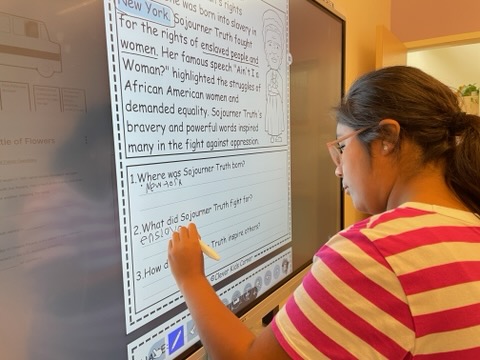
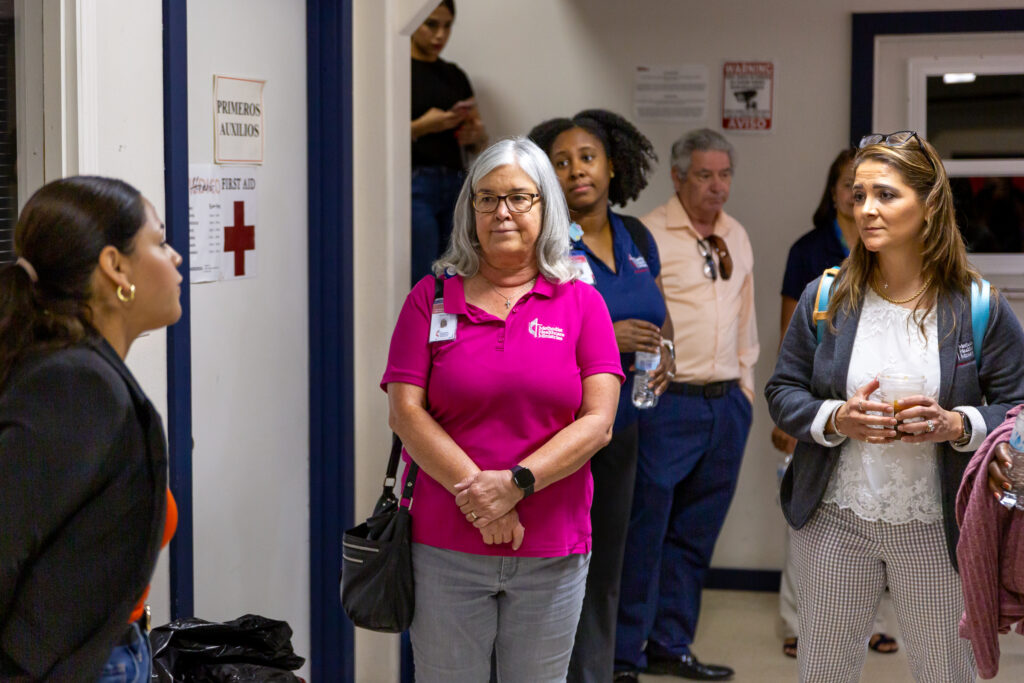
Courtesy of Mission Road Development Center

Digital equity ensures all people have access to the technology, connectivity, and skills needed to fully participate in society, democracy, and the modern economy. Since launching this initiative, MHM has invested more than $35 million in digital equity efforts through grantmaking, capacity-building, strategic partnerships, and advocacy. 

Two of MHM’s digital equity partners—Mission Road Developmental Center and Girls Inc. of San Antonio—are leading powerful, community-focused work that expands connectivity, increases affordability, and strengthens digital skills. 

Mission Road: Opening Digital Doors for People with IDD 

Mission Road Developmental Center (MRDC) has served individuals with intellectual and developmental disabilities (IDD) for decades, providing care, education, and opportunities for independence. Yet, in today’s world, independence also means digital access—a challenge for many in the IDD community. 

With support from MHM, Mission Road launched a Digital Equity, Access, and Engagement initiative designed to break down barriers to technology. The program includes: 

Courtesy of Mission Road Development Center
  • Assistive Technology Access – Providing adaptive hardware and software that supports reading, writing, communication, and online navigation. This includes device upgrades within residential homes, bringing programs such as Kibu directly to the individuals Mission Road serves. 
  • Digital Connectors – Training staff members to serve as technology mentors—helping participants build digital literacy skills while promoting safe and confident online engagement. They currently have one Digital Equity Program Coordinator and 10 Digital Equity Program Connectors on staff. 
  • Technology Infrastructure – Installing computer labs at the Unicorn Centers campus and the Mission Road main campus, upgrading devices, and strengthening broadband connectivity to ensure reliable access. 
  • Hands-On Training – Offering interactive classes for participants, families, and staff, building confidence in using technology for education, healthcare access, employment readiness, and daily life. 

“No programs like this exist for the IDD population in San Antonio,” Mission Road leaders shared. “This initiative is essential for inclusion, productivity, and independence.” 

Girls Inc: Building Confidence Through Digital Literacy 

Girls Inc. of San Antonio inspires girls to be strong, smart, and bold through programs that develop leadership, STEM skills, and wellness. With MHM’s support, Girls Inc is integrating digital equity into its curriculum—empowering girls to navigate technology safely and confidently. 

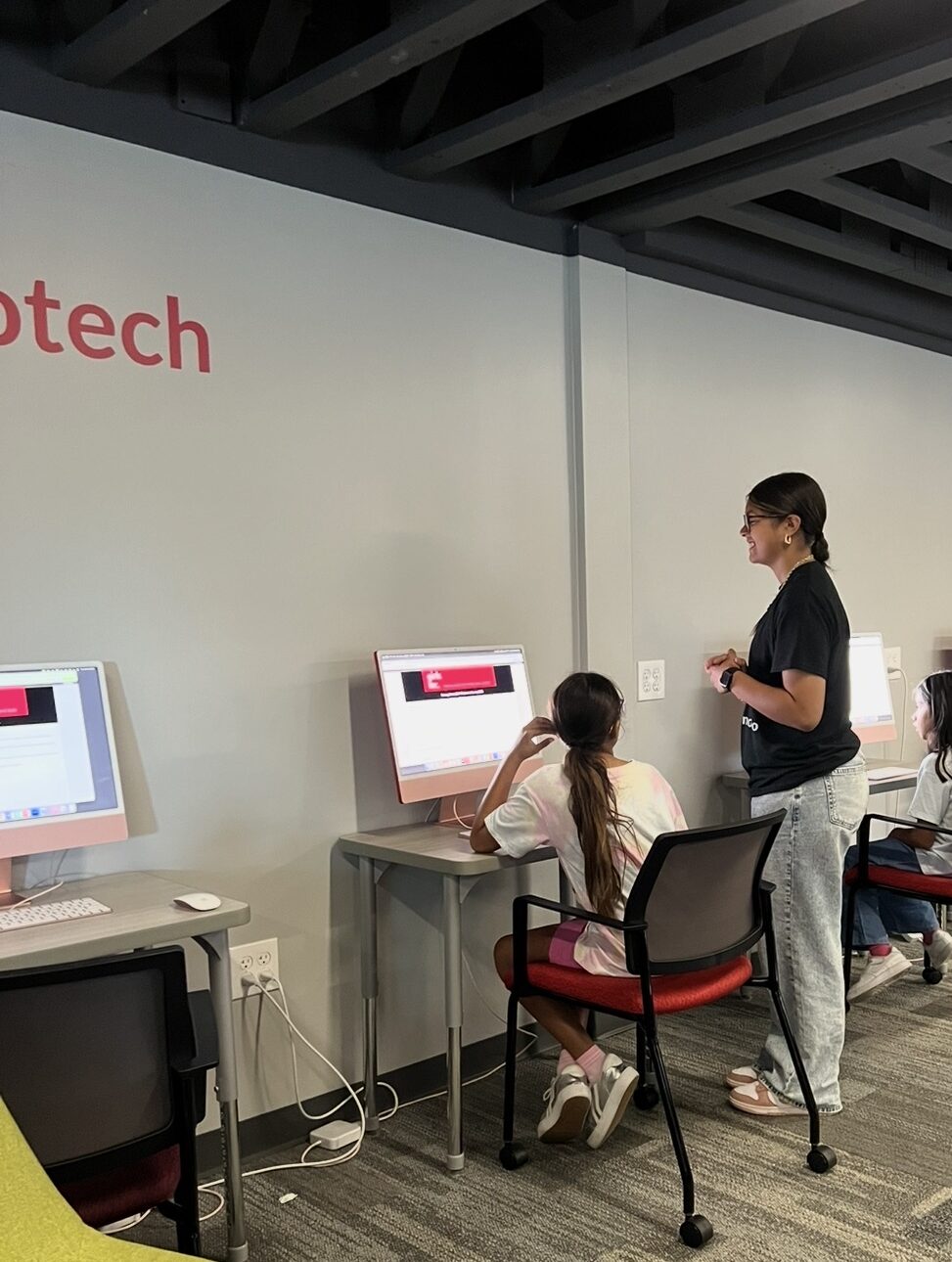
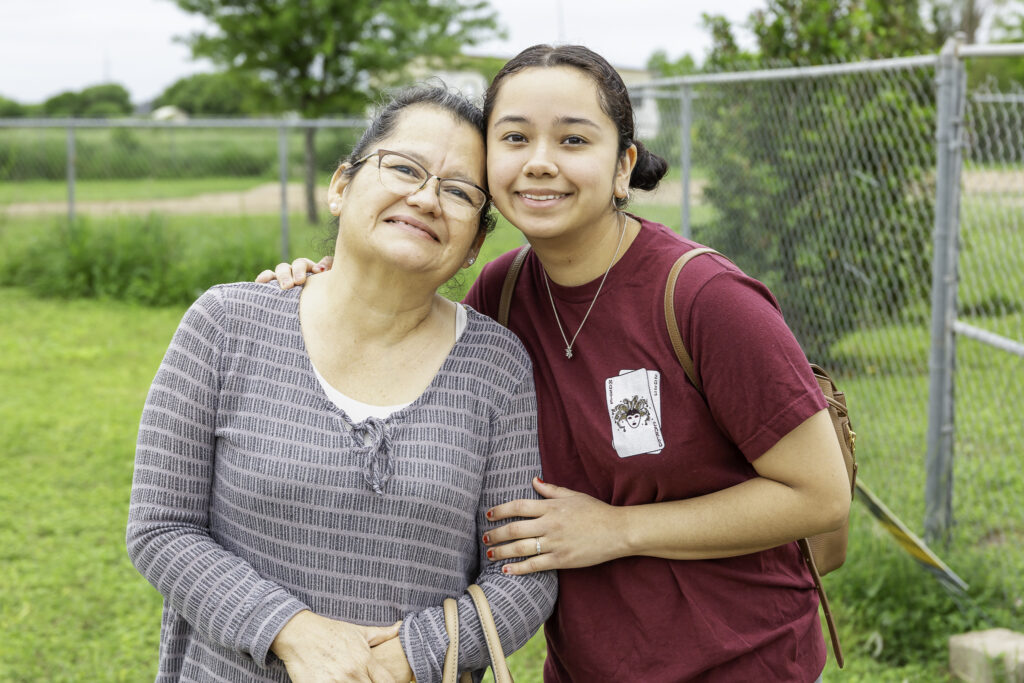
Courtesy of Girls, Inc.

Through the Digital Ambassadors Program, high school participants receive hands-on digital literacy training and then share their knowledge with the community. From helping neighbors log into healthcare portals at local libraries to teaching family members how to access Wi-Fi and online resources, these ambassadors are bridging the digital divide.  The MHM grant has been transformative, enabling Girls Inc to: 

  • Deliver consistent digital literacy workshops focused on online safety, communication, and critical thinking. 
  • Train staff, volunteers, and even donors to integrate digital health and wellness into programming. 
  • Reach more girls in historically underserved communities, ensuring they are not only connected but confident in using technology for education, health, and future careers. 

“We would like everyone to understand that Girls Inc. is an all-encompassing organization that focuses on the whole girl,” said Dani Vidal, BiblioTech Niña Facilitator with Girls Inc. of San Antonio. “Our organization is an investment to the girls we serve. We help our girls learn vital skills that translate to everyday necessities, including but not limited to school-based skills, college and career readiness, navigating digital literacy, and community service.”

Why Digital Equity Matters 

Both Mission Road and Girls Inc recognize that digital access is more than convenience—it’s a vital condition for health equity. From scheduling medical appointments to applying for jobs, technology is a gateway to opportunity. By equipping individuals with tools and training, these organizations are ensuring that no one is left behind. 

How You Can Help 

Community support makes these programs possible. Here’s how you can get involved: 

  • Spread Awareness: Share the importance of digital equity and the work of Mission Road and Girls Inc. 
  • Volunteer: Serve as a mentor, guest speaker, or workshop facilitator. 
  • Partner: Help create internship opportunities for Girls Inc participants or support technology initiatives for Mission Road. 
  • Donate: Financial contributions sustain and expand these programs, ensuring access for those who need it most. 
Courtesy of Girls, Inc.

The Power of Collaboration 

Digital equity is a cornerstone of thriving communities. Through collaboration and commitment, Mission Road and Girls Inc are transforming lives—one connection at a time. 

To learn more or get involved, visit: Mission Road Developmental Center | Girls Inc. of San Antonio

The Pursuit of Excellence: MHM’s Journey to Baldrige  

The roadmap to excellence is shaped by lessons learned and opportunities for improvement; however, it is also a commitment from team members across Methodist Healthcare Ministries of South Texas, Inc. (MHM). To transform its internal culture and strengthen the level of care and partnerships in the communities it serves and walks alongside, MHM began exploring the Baldrige Excellence Framework. 

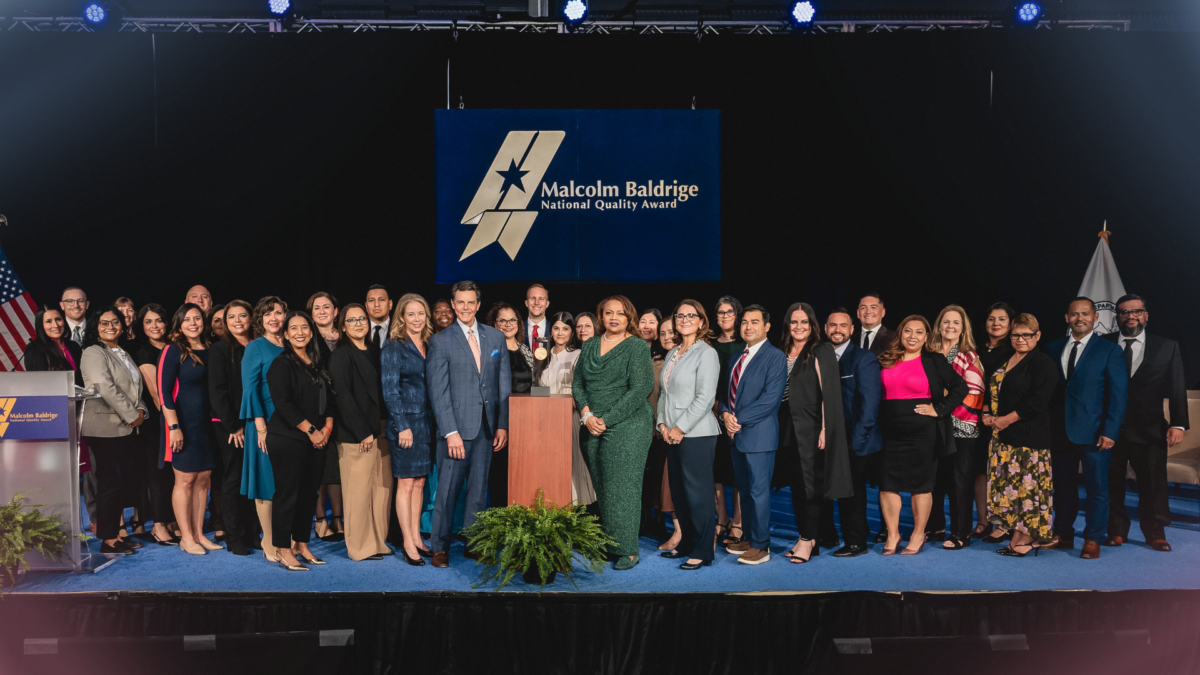
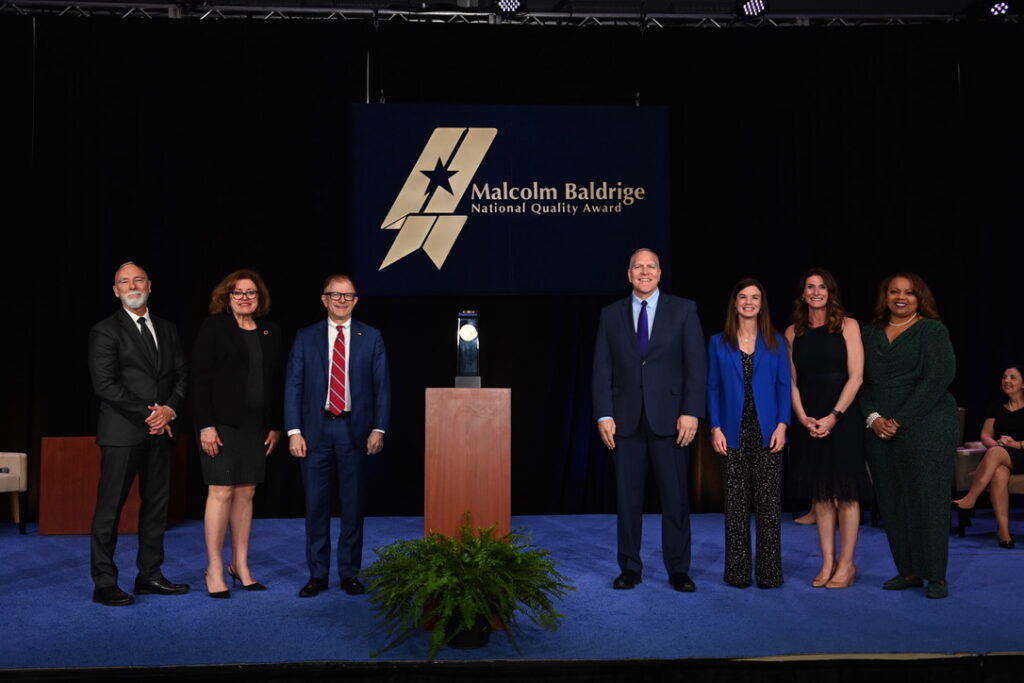
Over the years, MHM has created policies, processes, and procedures, sharpening its focus on continuous improvement. This intentional approach led to significant milestones in the organization’s excellence journey, including submitting an application for the 2025 Malcolm Baldrige National Quality Award—the nation’s only presidential honor recognizing performance excellence. MHM received the prestigious recognition as a 2025 finalist and was one of only six organizations across the country to advance to the awards’ final phase and receive a Best Practice Spotlight for its Thriving Workforce. 

In March 2026, a delegation of MHM team members traveled to Baltimore, Maryland, to attend the Baldrige Award Ceremony, which was held ahead of the 37th annual Quest for Excellence Conference. Team members attended various sessions during the three-day convening, learning and engaging with other Baldrige recipients. The conference also provided an opportunity for MHM to share its story of excellence on a national stage. 

Creating a Legacy of Excellence:  

Courtesy: Hamilton Photography

Officials with the Baldrige Foundation, the U.S. Department of Commerce, and the National Institute of Standards and Technology (NIST) presided over the award ceremony and presented the six organizations with their respective awards and recognitions. Representing MHM on stage was Oanh Maroney‑Omitade, Senior Vice President of Organizational Excellence. “When I stop and think about all the things we have done over just the past five years, it’s been phenomenal, and it has helped us become better as an organization,” she said.  

Maroney‑Omitade believes embracing change has strengthened the organization’s mission of Serving Humanity to Honor God. “We have to decide if we are going to let change happen to us or if we are going to manage change in ways that help us be successful as an organization and accomplish our mission, which is about our patients.” Jaime Wesolowski, President & CEO of MHM, credits team members across the organization for forging a path toward excellence. “Together, we have built a stronger culture that continues to elevate how we work, lead, and serve. At MHM, our commitment to excellence is more than just high standards; it is embracing our responsibility to serve the least served with integrity, compassion, and lasting impact.” 

The conference opened with keynote remarks from speaker Molly Baldrige, daughter of Malcolm “Mac” Baldrige, for whom the award is named. He was known for his dedication to and advocacy for American industry, trade efficiency, and global competitiveness during his tenure as the 26th U.S. Secretary of Commerce.   Courage, humility, and discipline were described as hallmarks of his character—virtues which shape modern‑day approaches to leadership and excellence. 

Elevating Diverse Voices in Diverse Places:  

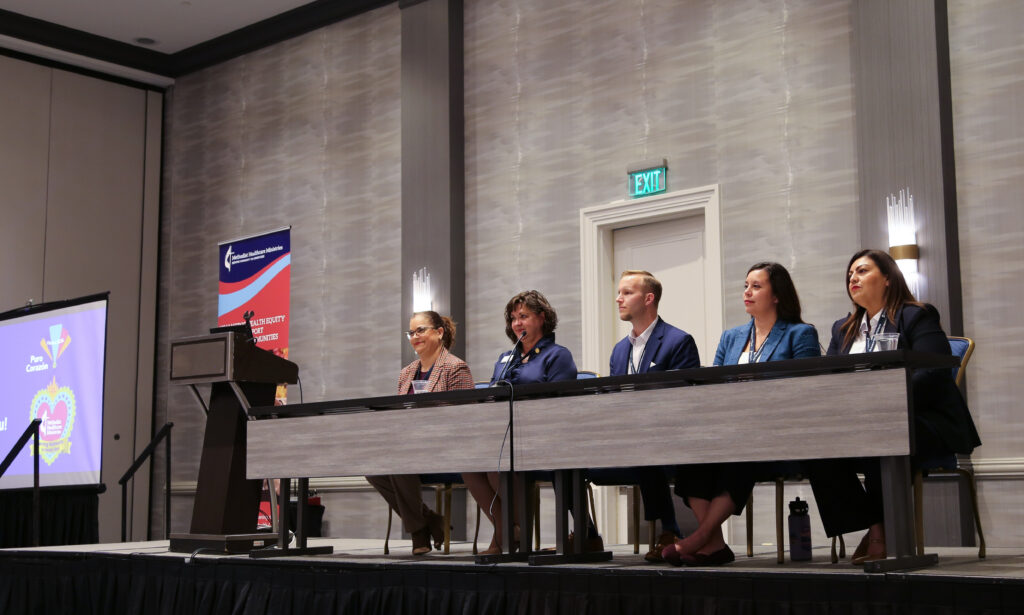
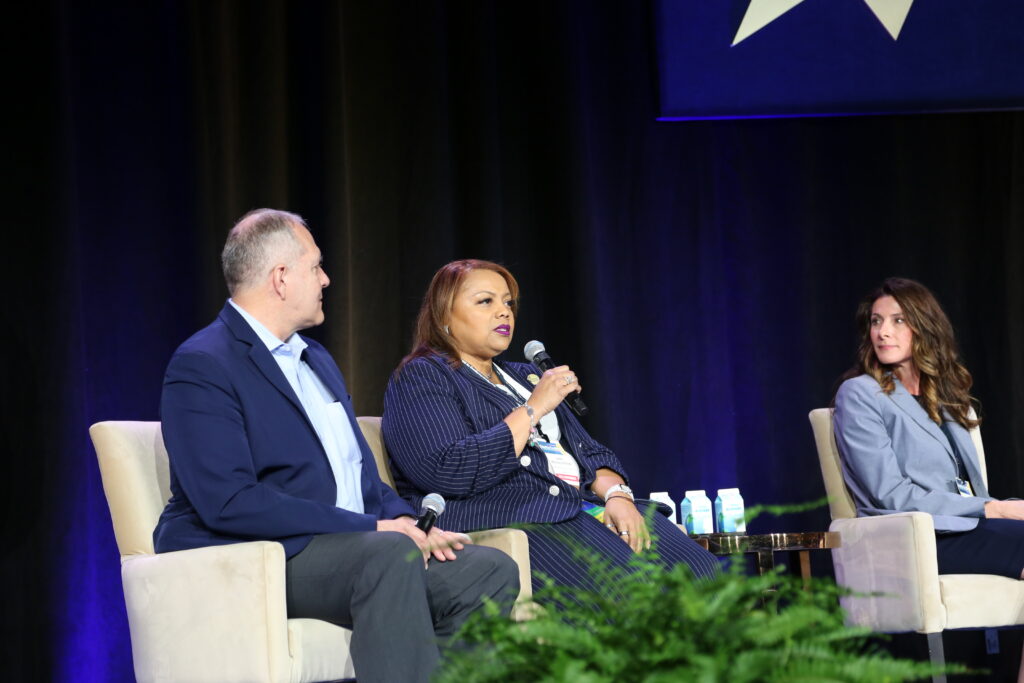
Various sessions were held throughout the conference, including panel discussions presented by MHM leaders and staff. Jennifer Knoulton, Vice President of Community Health & Wellness, and Jessica Muñoz, Vice President of Communications, led the Serving Diverse Customers & Markets session. MHM team members, Melanie Call, Community Investments Manager; Lorraine Hernandez, Director of Patient Services; and Matt Leonard, Director of Communications, served as panelists.  

The discussion highlighted how MHM refined its key processes to provide exceptional integrated and patient-centered care, elevate customer voice, and build trusted relationships. “People were interested in our model of working with uninsured and underinsured populations; they recognize that it is a huge need. The way we work with the broad definition of healthcare, moving across different sectors, is essential for organizations to think about,” said Knoulton. 

Muñoz emphasizes the importance of improvement and believes communities benefit when organizations can learn from one another. “This is about us sharing what we’ve learned in the markets that we serve and then drawing inspiration from what other people have learned so that we can continue to get better.” She said listening and partnering with communities is critical to creating processes that work. “We don’t ever want to think we have the right answer; we want it validated by the people who live there and who are experiencing the access to care that we are trying to create.” 

Strengthening Workforce and Purpose: 

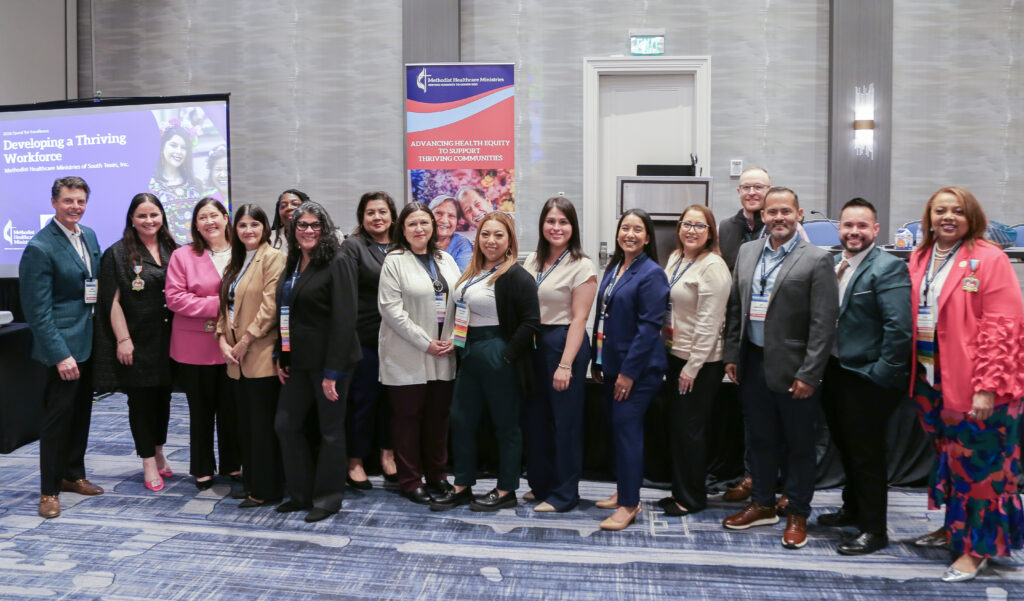
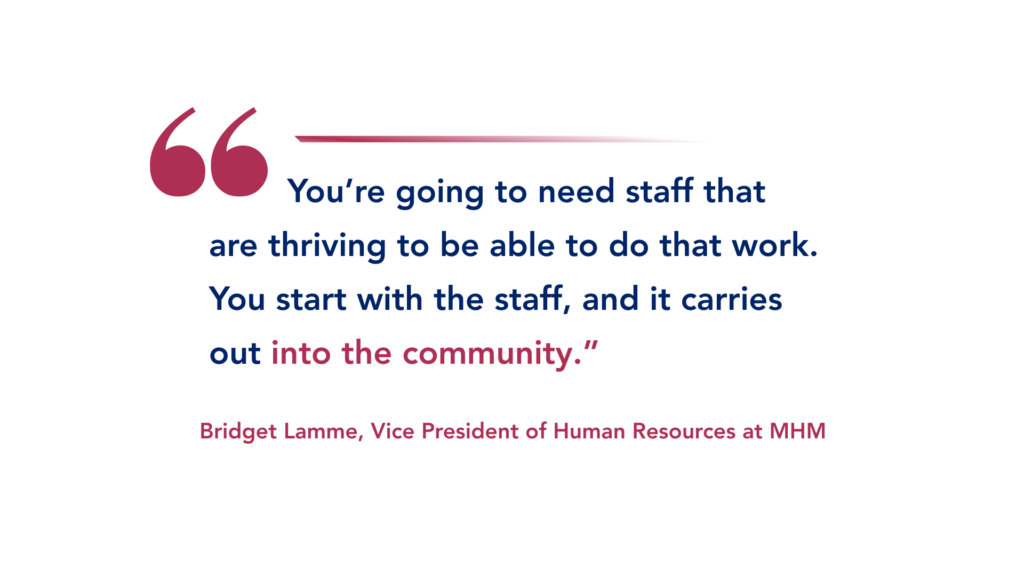
Maroney‑Omitade and Bridget Lamme, Vice President of Human Resources at MHM, led the Developing a Thriving Workforce session. Panelists included MHM team members, Mike Cervera, Director of Human Resources; Sophia London, Community Health Worker Manager; and Melody Swisher, Director of Organizational Learning and Development. The session focused on MHM’s practices and model for workforce engagement, which led to a Baldrige Best Practice Spotlight. Lamme shared why it is important to take care of the workforce that takes care of the work. “There are so many things that we are doing in our strategy; you’re going to need staff that are thriving to be able to do that work. You start with the staff, and it carries out into the community.” 

The conference concluded with a Q&A that featured the 2025 Award Recipients and Best Practice Spotlight Organizations. Maroney‑Omitade sat down to reflect on MHM’s journey to Baldrige, which had been years in the making. She said that by creating a capacity for excellence and organizational alignment, MHM reached numerous milestones and gained invaluable lessons, leading to national recognition. “We’ve moved along this process together, and we’ve learned as we’ve gone, and there have been wins along the way.” 

The MHM delegation departed Baltimore with a new perspective on their work and approach to excellence. Niebla Marcela Alba, RDH, Dental Hygienist at the Dixon Health & Wellness Center, and Alexandra Quintero, Dental Assistant at the Wesley Health & Wellness Center, were part of the team that attended the conference. 

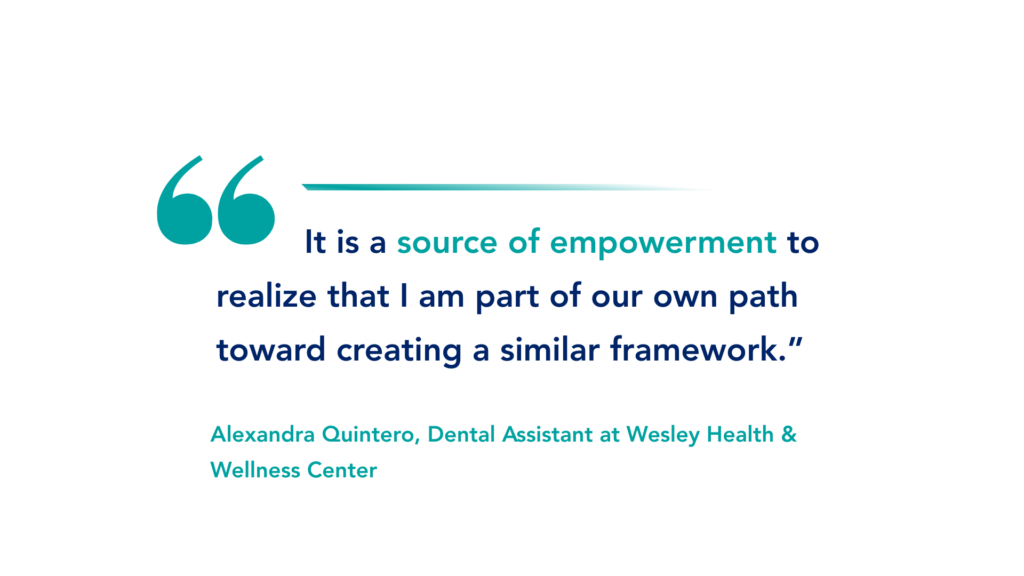
“Overall, attending the conference left me feeling motivated and better equipped to pursue meaningful improvements. It reinforced the idea that excellence isn’t a destination, but an ongoing process that requires commitment, adaptability, and a willingness to learn,” said Alba. Quintero shared, “I felt deeply grateful for the opportunity to learn from and witness the journeys of other organizations striving for excellence. It is a source of empowerment to realize that I am part of our own path toward creating a similar framework.” 

Maroney‑Omitade said she is grateful that team members were able to hear and learn from others during their time in Baltimore. She believes it is the lessons they take back that will lead to more change. “We don’t have to go back and move mountains every day; it’s incremental growth, and collectively, if we are all on that journey for improvement, that incremental growth is significant.”  


Leading With Partnership and Purpose: A Journey to Creating Change 

Transforming community health and well-being is a bold commitment that requires passion and purpose. Visionary leaders recognize innovation and collaboration are essential in the journey toward tangible change. 

For more than five years, Aspen Healthy Communities Fellows (HCF) have worked together to turn their visions of healthier communities into reality. The fellowship program exists within the Aspen Global Innovators (AGI) Group. Each year leaders from across the country are selected to participate as ‘fellows’ in the year-long program. 

Throughout the fellowship, participants receive tailored support and opportunities to strengthen their leadership skills and connect with peers. Drawing on their deep understanding of local challenges and resilience, fellows also learn to craft compelling narratives about their work. 

AGI partners with local philanthropies and foundations to amplify its impact and initiatives. Methodist Healthcare Ministries of South Texas, Inc. (MHM), a long-time supporter of the AGI Group, joined forces with the Knapp Community Care Foundation (KCCF) to bring the HCF program to the Rio Grande Valley (RGV) in early 2025.

Eight leaders from various parts of Texas, North Carolina, and Oklahoma were selected to be part of the 2025 Aspen HCF program. In early November, the group gathered in the RGV for their final convening of the year. The fellows learned about the community’s challenges and strengths – and shared how they champion change. 

A Commitment to Community: 

The convening was held in the city of Brownsville, which neighbors the Mexican city of Matamoros, Tamaulipas. The communities share several commonalities in culture which are widely felt across the dividing border. There are several historic landmarks and exhibits which depict Brownsville’s early beginnings; while cultural art illustrates the value and connection to its heritage. Despite the city’s charm and beauty, intergenerational poverty still exists for families and individuals who live in neighborhoods referred to as “colonias.” 

Colonias are found along the United States-Mexico border and are home to families with mixed-immigration status. Colonia residents must navigate difficult living conditions, ranging from poor drainage and infrastructure to the lack of nearby healthcare facilities, digital resources, and transportation.  

The fellows visited some of Brownsville’s colonias and were led by representatives from La Unión del Pueblo Entero (LUPE). The organization assists working-class and immigrant families within colonias, while also supporting the development of neighborhood leadership.  

Jorge Rodriguez is the director of the Buckner Family Hope Center, located in the RGV; he is also one of two fellows from the area. Rodriguez’s early years as a migrant farmworker fueled his commitment and support of colonia residents. “Families in the colonias of the Rio Grande Valley face many socio-economic barriers, including food insecurity, irregular employment, and a lack of access to healthcare and mental health services,” he said.

However, despite their difficult challenges, the fellows learned that colonia residents remain resilient. Rodriguez recognizes their strength and determination and is proud to see LUPE shift agency back to the people, “They are creating conditions for the community to step into its power and to re-shape it.”  

The panel share their insights and experiences with the audience.

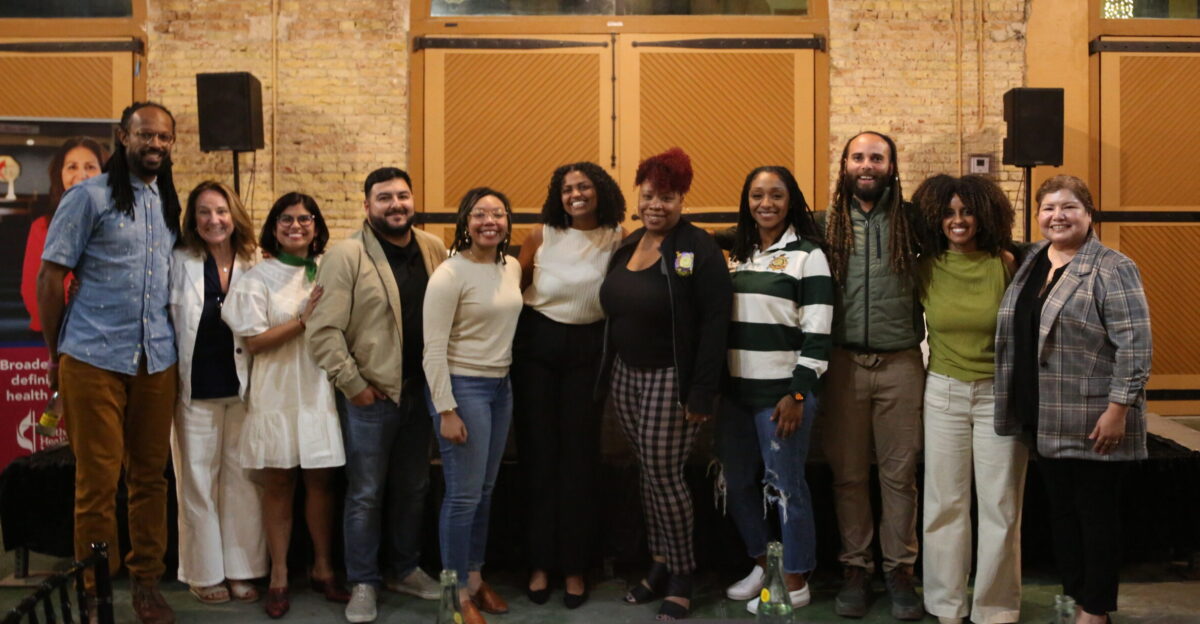
The fellows later met with local leaders and organizations at Brownville Market Square. The AGI Group and MHM hosted the event, which also included a panel discussion: “Rooted in Place: Centering Community in Local Change.” Peggy Clark, Founder and Interim Executive Director of AGI Group moderated the panel, which featured MHM President & CEO, Jaime Wesolowski, LUPE President and Executive Director, Tania Chavez Camacho, and CEO of Behavioral Health Solutions of South Texas, Monica Hernandez Sanchez.

The panelists shared their experiences in accompanying and supporting people as they seek to improve community health and well-being. Hernandez Sanchez is also a 2025 Aspen fellow and was born and raised in the RGV. She believes when people are supported their “resilience shines through.” 

Amplifying Voices and Stories of Impact: 

The following morning, the Aspen fellows made their way to the eBridge Center for their final narrative training session. The fellows spent the year learning how to transform their personal and professional experiences into stories of impact. Hernandez Sanchez said the narrative trainings gave her a new understanding of herself and others, “I gained different perspectives, and skill sets specific to highlighting my story and the stories of individuals, families, and communities connected with Behavioral Health Solutions,” she said.  

H
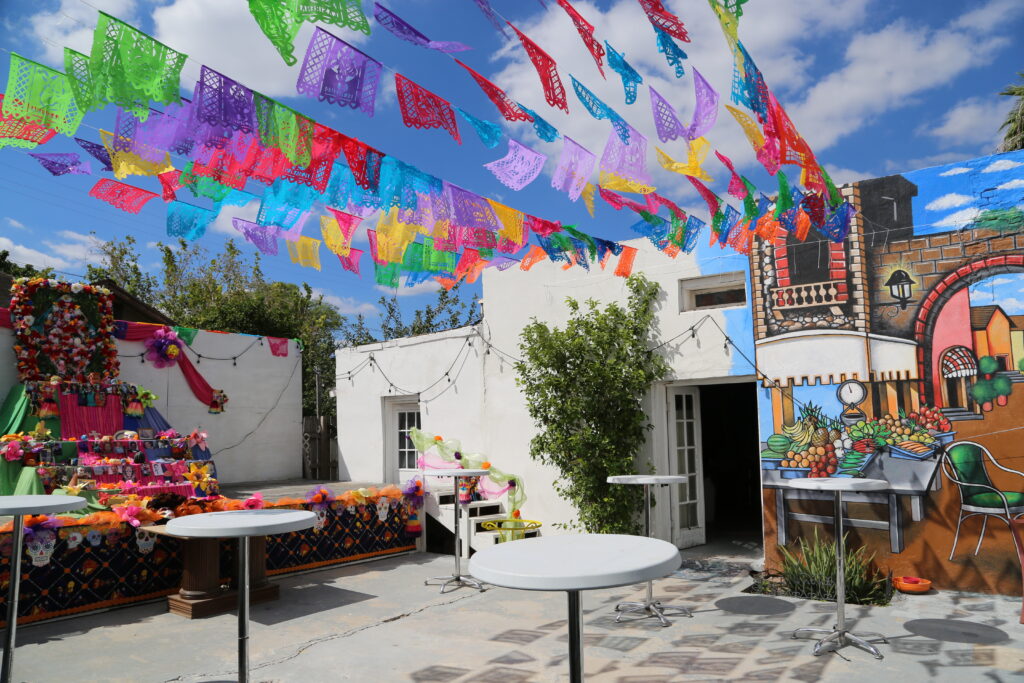
The Carlotta Petrina Museum courtyard adorned with vibrant colors and an ofrenda in commemoration of  Día de Muertos (Day of the Dead).

As the fellows spent their morning crafting powerful narratives, Clark, Wesolowski, and a delegation from MHM immersed themselves in the city’s rich history and vibrant culture. Their journey took them across the heart of downtown Brownsville. The group learned how local businesses like JZD are strengthening the local economy and fostering an inclusive environment. The group also visited iconic landmarks such as the Heritage Museum and Stillman House, home to artifacts and exhibits that tell the story of the region’s past. Art and culture are celebrated in places like the Carlotta Petrina Museum – a haven for both local and international artists. 

The delegation reconvened with the fellows at the eBridge Center where they met with Brownsville City Manager, Helen Ramirez. In 2022, Ramirez made history as the first woman appointed to the role of city manager. She shared her journey with the group and emphasized the importance of community investment.  

The fellows share their support of each other’s testimonies.

During their final evening, the fellows celebrated the end of their journey with the visiting delegation. They listened in as the fellows shared their stories of impact and expressed gratitude for the lessons they learned and bonds they forged during the fellowship. Rodriguez explains how sharing his story gave him strength to lead with greater purpose, “This has been a year of belonging—feeling free to look into my lived experiences as a source of growth and resilience. As I embrace my story and lived experience, I have a deeper understanding that the people we serve have the most insight into what they need.” 

Hernandez Sanchez added that the support from the fellowship changed how she approaches her work and leadership, “Listening to the challenges, successes, and personal impacts shared by my co-fellows inspired me and gave me strength to do more than I thought I could,” she said.  

Purpose and Partnerships: 

Aspen Healthy Communities Fellows, Rodriguez and Hernandez Sanchez.

As the first Aspen fellows representing the Rio Grande Valley, Rodriguez and Hernandez Sanchez reflected on what it meant to have the final convening in their community. “The convening brought attention to the region’s resilience, the beauty of its people, and the growth taking place. It was refreshing,” said Rodriguez. “It was about sharing a piece of myself with [the fellows] – our people deserve to be seen and celebrated,” said Hernandez Sanchez. 

Cristina Trejo is the executive director at the KCCF, she describes the RGV convening as a “powerful statement of the talent and leadership that define our communities.” She adds, “Our partnership with Methodist Healthcare Ministries and the Aspen Global Innovators Group demonstrates the value of aligned philanthropy, as together we were able to bring the Healthy Communities Fellows program to the Valley.” 

Wesolowski shares, “Supporting the Aspen Healthy Communities Fellows is a natural extension of Methodist Healthcare Ministries’ mission to ‘Serve Humanity to Honor God.’ These fellows represent what it means to be innovators and advocates who are working to transform communities.” Wesolowski added, “MHM is proud to share a vision of healthier communities with this group of local leaders as they seek to champion change.” 

Clark said the HCF program is about finding and supporting individuals who lead with purpose and heart, “Aspen Global Innovators’ Healthy Communities Fellows remind us of the wisdom and expertise that lives in the communities we work in, where leaders such as Monica and Jorge are paving the way with profound solutions to our most pressing problems. Working with community leaders across South Texas underscores the power of finding and supporting leaders whose connection to their deepest purpose –coupled with external and peer support— can change the world.”  

Carrying the Work Forward:  

The Aspen HCF, MHM delegation, and Brownsville City Manger, Helen Ramirez.

The Aspen Healthy Communities Fellowship demonstrates the importance of partnering with local leadership. Through their visions and collaboration, meaningful change can begin to take place. Bringing a diverse group of leaders together is essential, as they carry a unique experience and insight. Programs like HCF sharpen their skills and equip them with tools to amplify their stories, foster resilience and lead with innovation.  

The RGV convening was a celebration of shared purpose, culture and history, and the power of partnerships. As the fellows returned to their communities, they carried with them a renewed commitment and newfound purpose. Their passion and purpose to transform communities proves that when people are supported and empowered, lasting impact is possible. 

Elevating Innovation: A reflection of MHM’s time at Aspen Ideas: Health 

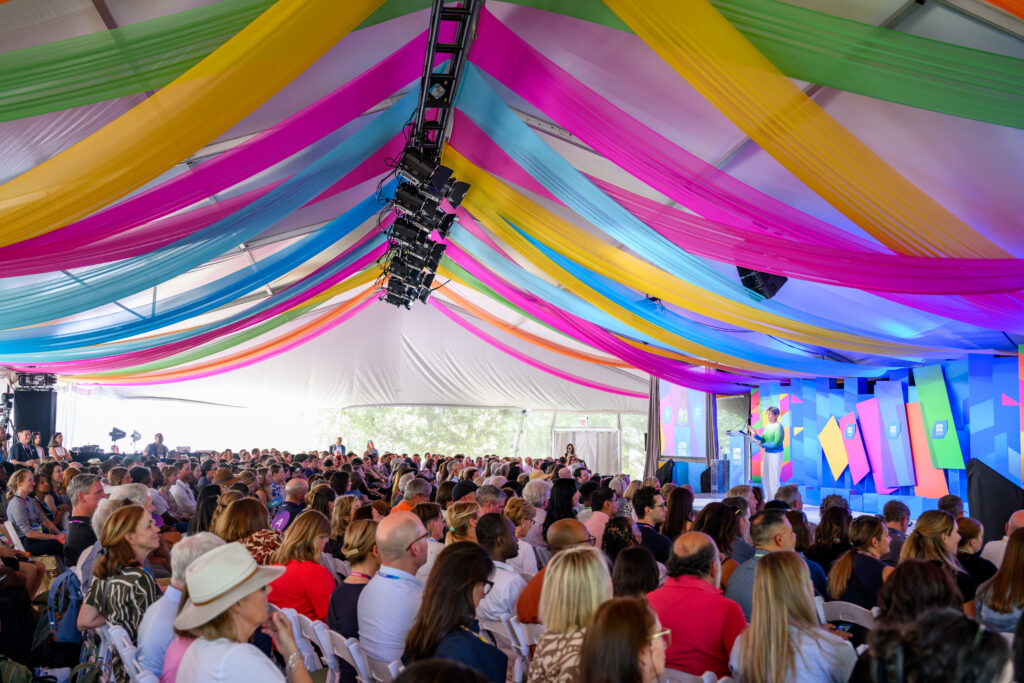
In bold-bright colors, the letters I-D-E-A-S stand tall amidst acres of greenery and towering mountains. The sign serves as a recognizable landmark for people who gather on the hillside for photos along the majestic backdrop; it is also a reminder of the power and potential of ideas. For over 20 years, bold and bright minds from around the world have convened at the Aspen Institute in Colorado for Aspen Ideas: Health (AIH). Despite their varying backgrounds and expertise, they each share a common goal – to elevate better health outcomes for all.  

AIH has served as a global gathering for attendees across various sectors of government, public health, and philanthropy. Visionary thinkers and doers are brought to the stage each summer to share innovative ideas surrounding obstacles related to health, medicine, and science.  

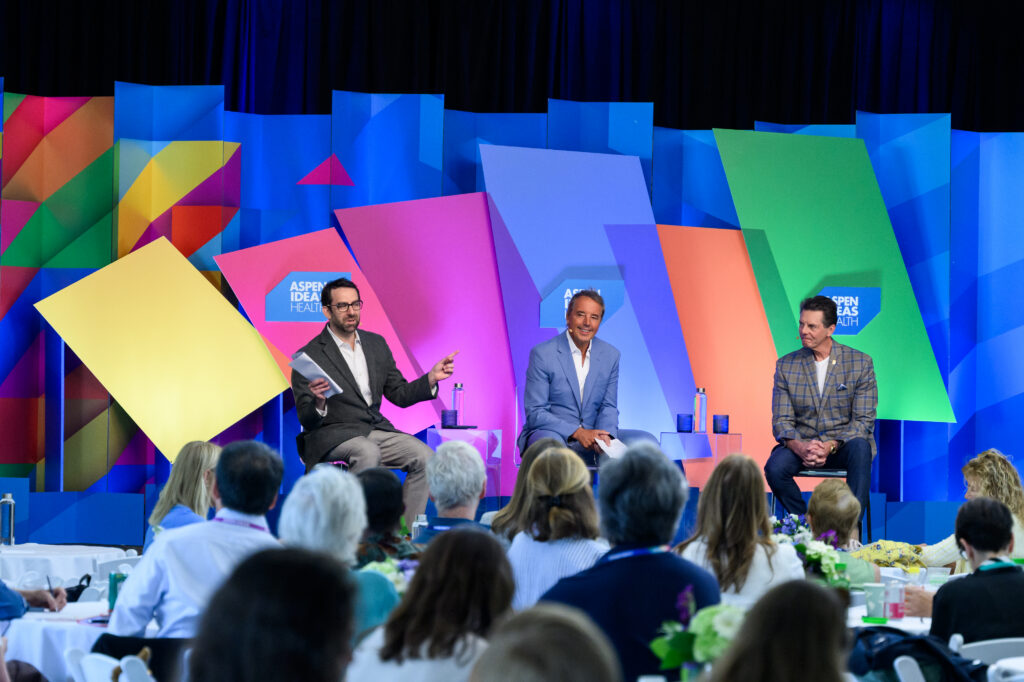
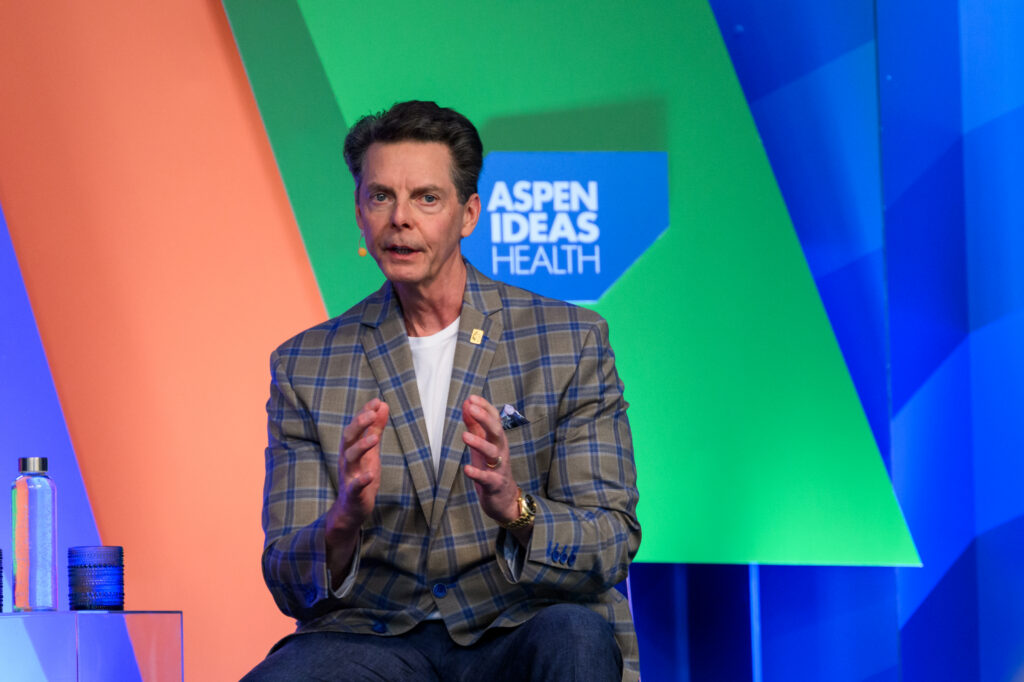
Among the 2025 list of speakers was Methodist Healthcare Ministries of South Texas, Inc. President, and CEO Jaime Wesolowski. In June, Wesolowski, along with a delegation of Methodist Healthcare Ministries’ (MHM) team members, attended the annual conference. With a mindset for continuous growth, the team spent several days attending different sessions to learn and exchange best practices with other thought leaders; fostering deeper compassion and commitment to serve the least served.  

Setting the stage for powerful perspectives and big ideas:  

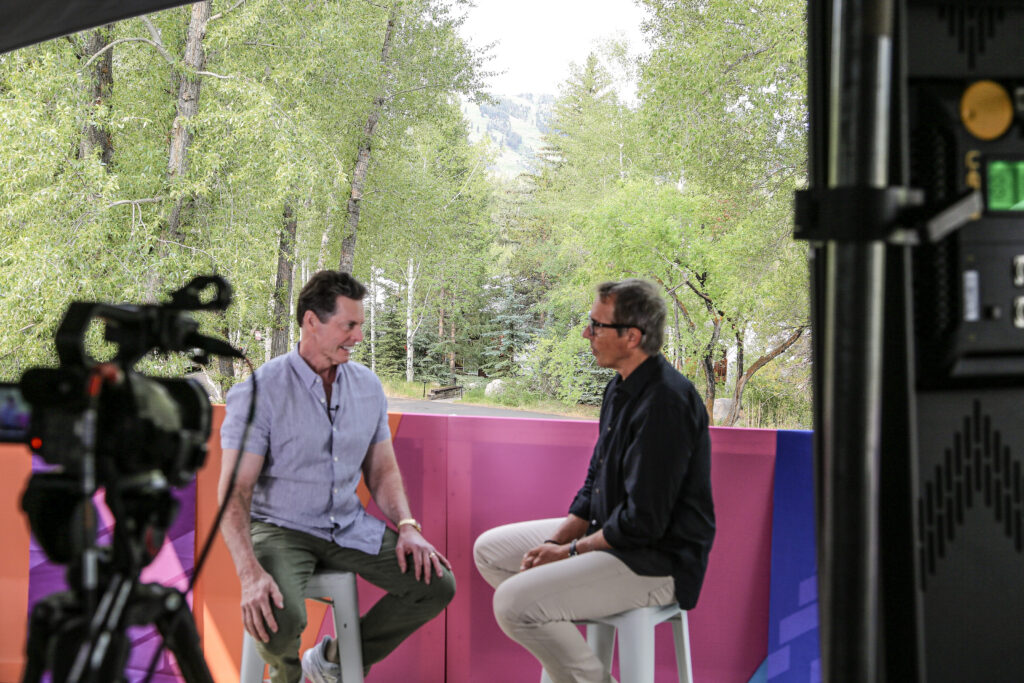
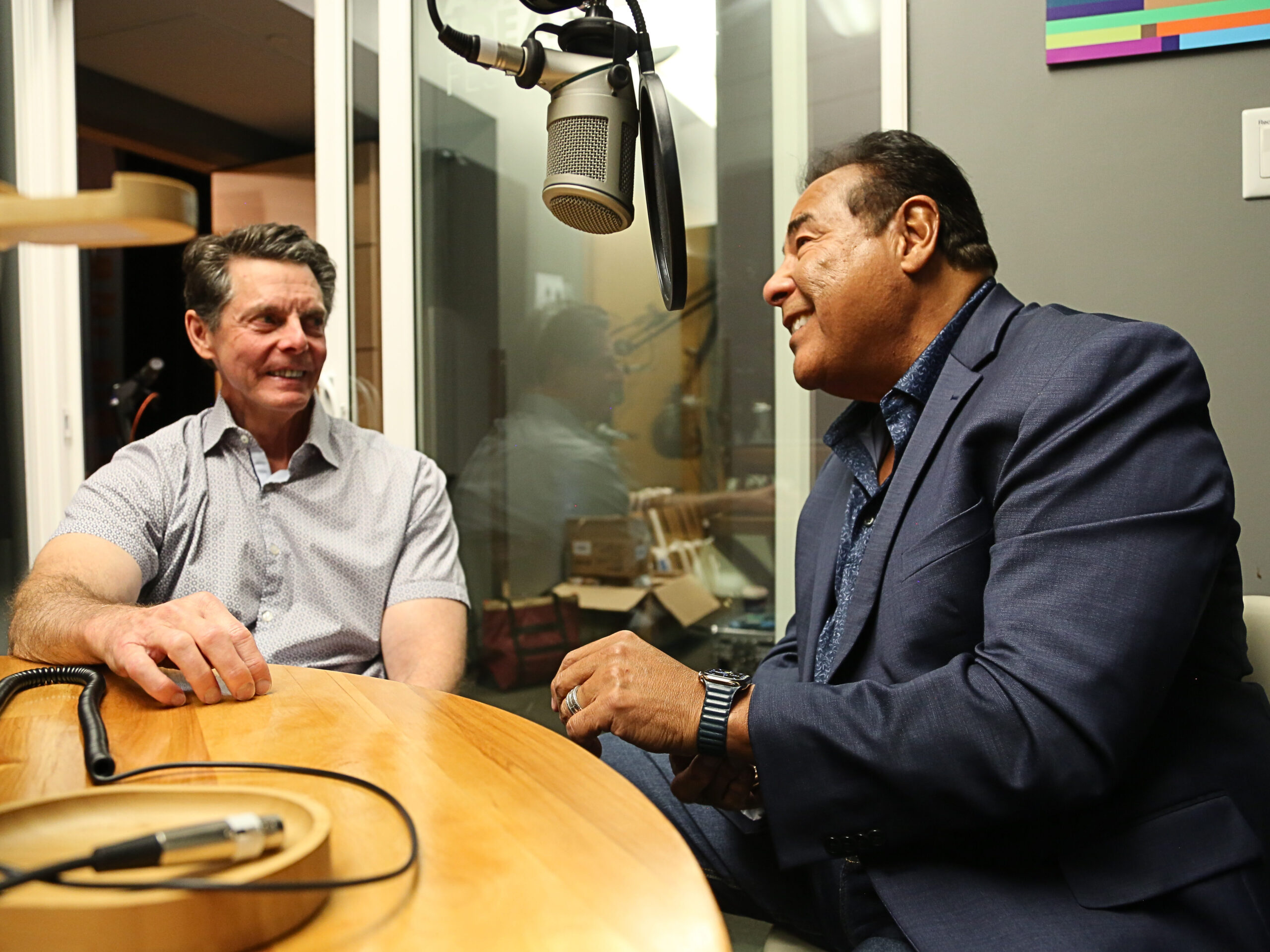
On day one, prior to the official conference kick-off, Wesolowski sat down with ABC News Correspondent, John Quiñones, who was also MHM’s special guest at the conference. Quiñones served as keynote speaker for MHM’s 2025 Connection Point Kick-Off in February. It was there he spoke of his humble upbringing on San Antonio’s west side and the path he forged as a migrant worker to a career in national news and television. Quiñones’ lived experience resonated deeply with team members and reflected the resilience found within the communities MHM serves. The overall impact a person’s testimony can have on others became the central theme for the podcast discussion.  

Taking inspiration from Quiñones’ What Would You Do? series, the podcast was titled What Could You Do? The Power of Perspective. Wesolowski and Quiñones discussed the connection between storytelling and service. Wesolowski expressed the value of community perspective when it comes to creating community-led solutions. “We believe that the people closest to the challenges are the people that need to be leading the discussion.” Quiñones added, people must push past their own biases if they want to learn and collaborate with others, “They can teach you more than what your pre-conceived notions are about the community.”  

Shortly after the podcast recording, some of the MHM delegation attended the opening session for the conference, where 10 speakers shared their “big ideas” related to their fields of expertise. Marty Kaplan is the director of the Norman Lear Center, USC Annenberg School for Communication and Journalism. He emphasized the importance of storytelling and pointed to the role social media has in building narratives around health; he said, “fostering narrative accuracy isn’t just an outreach tactic, it’s a public health intervention; let’s give it the strategy and scale it deserves.”  

Ideas inform and inspire 

On day two, before the official AIH sessions began, the delegation attended Strengthening Communities: Investing in Local Leaders and Collective Action – a panel discussion hosted by the Aspen Global Innovators Group in partnership with the McNulty Foundation. Vanessa Tobares, Director of Strategy at MHM, was on the panel. She shared how the organization has focused its efforts and resources to strengthen communities across its service area. Tobares explains why it is important to share best practices with other thought leaders, “MHM needs to have a presence to elevate our work and the work of our partners at a national level, so that we can serve as a thought partner and contribute to shifting the narrative about what it takes for communities to be healthy.” 

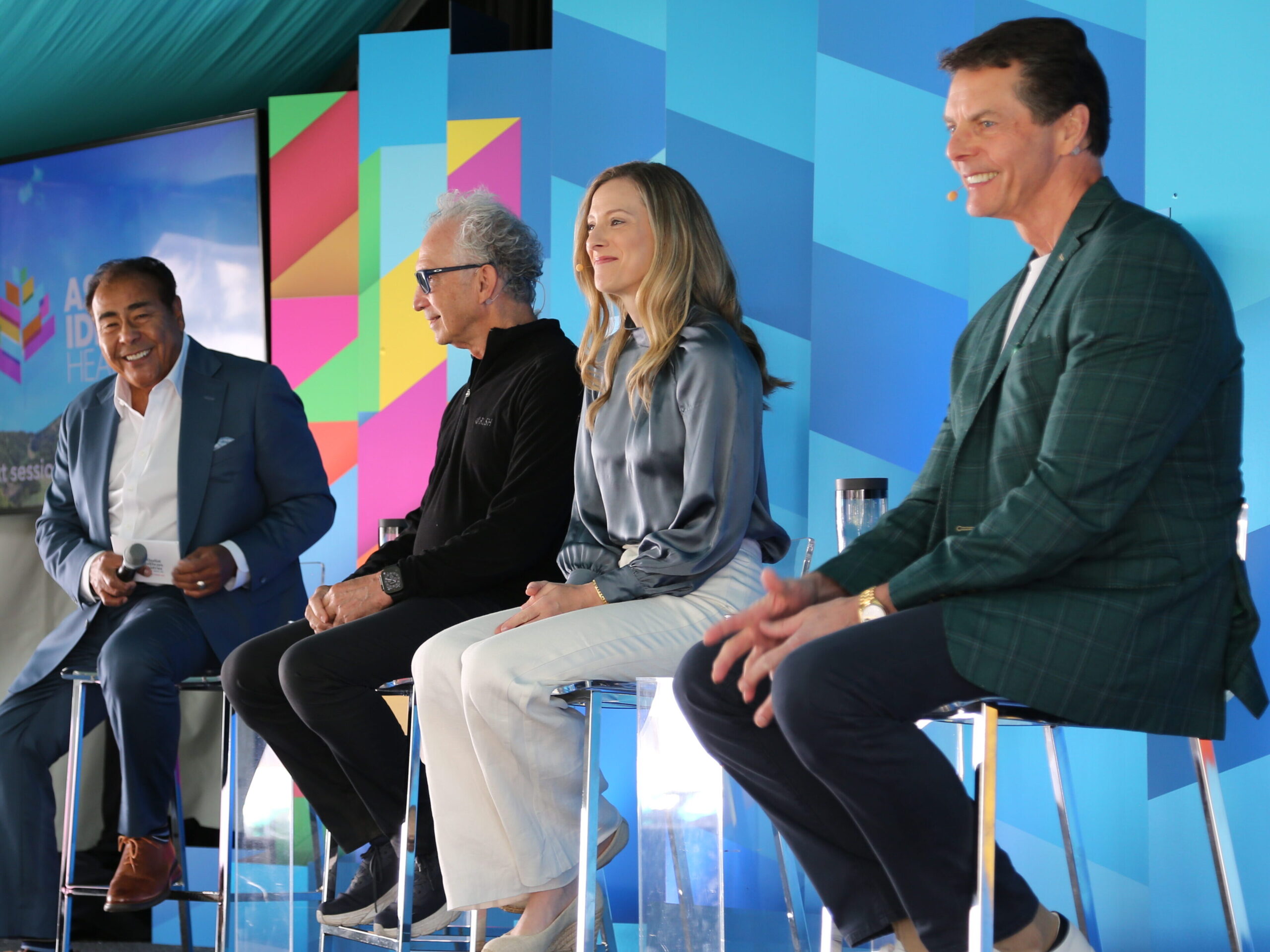
Follow the Money, For Good was a panel discussion hosted by MHM and moderated by Quiñones. Wesolowski was one of three panelists, which included Alyson Nieman, CEO, Mindful Philanthropy, and Dr. David Ansell, Senior Vice President for Community Health Equity, Rush University Medical Center. The topic drew interest from many AIH attendees as they learned the value of going beyond clinical care to invest in communities. Each of the panelists shared ways organizations can shift their stewardship and investment practices to advance their support across communities. “We must start our investments not where we might see more immediate impact, but where the greatest need—and sometimes fiscal risk—lies to truly be transformative in our accompaniment,” said Ansell.  

Courtesy C2 Photography

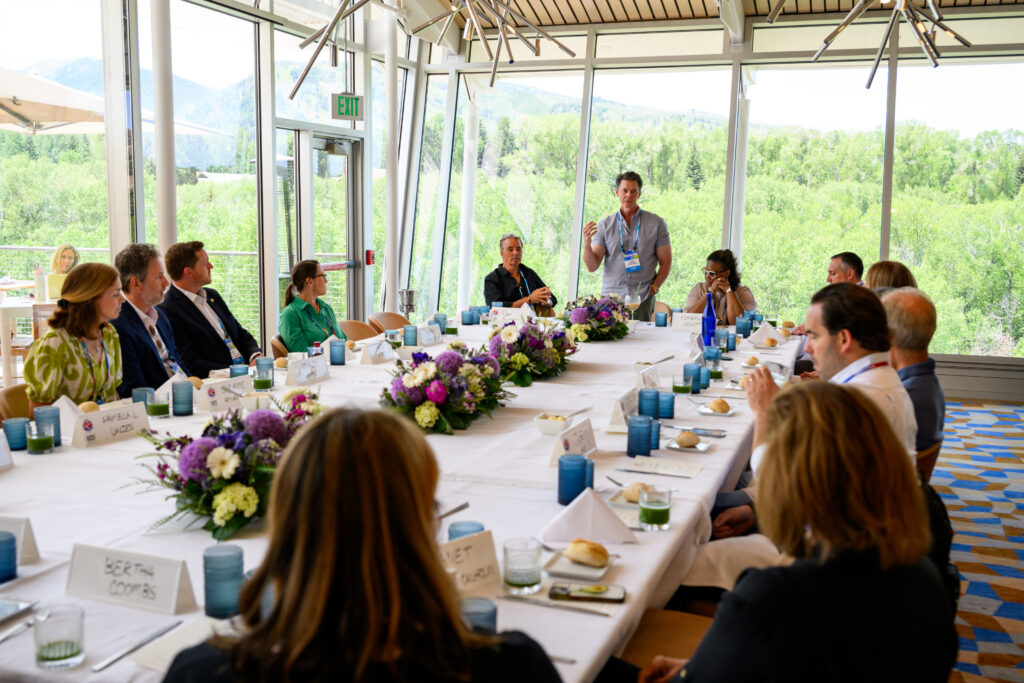
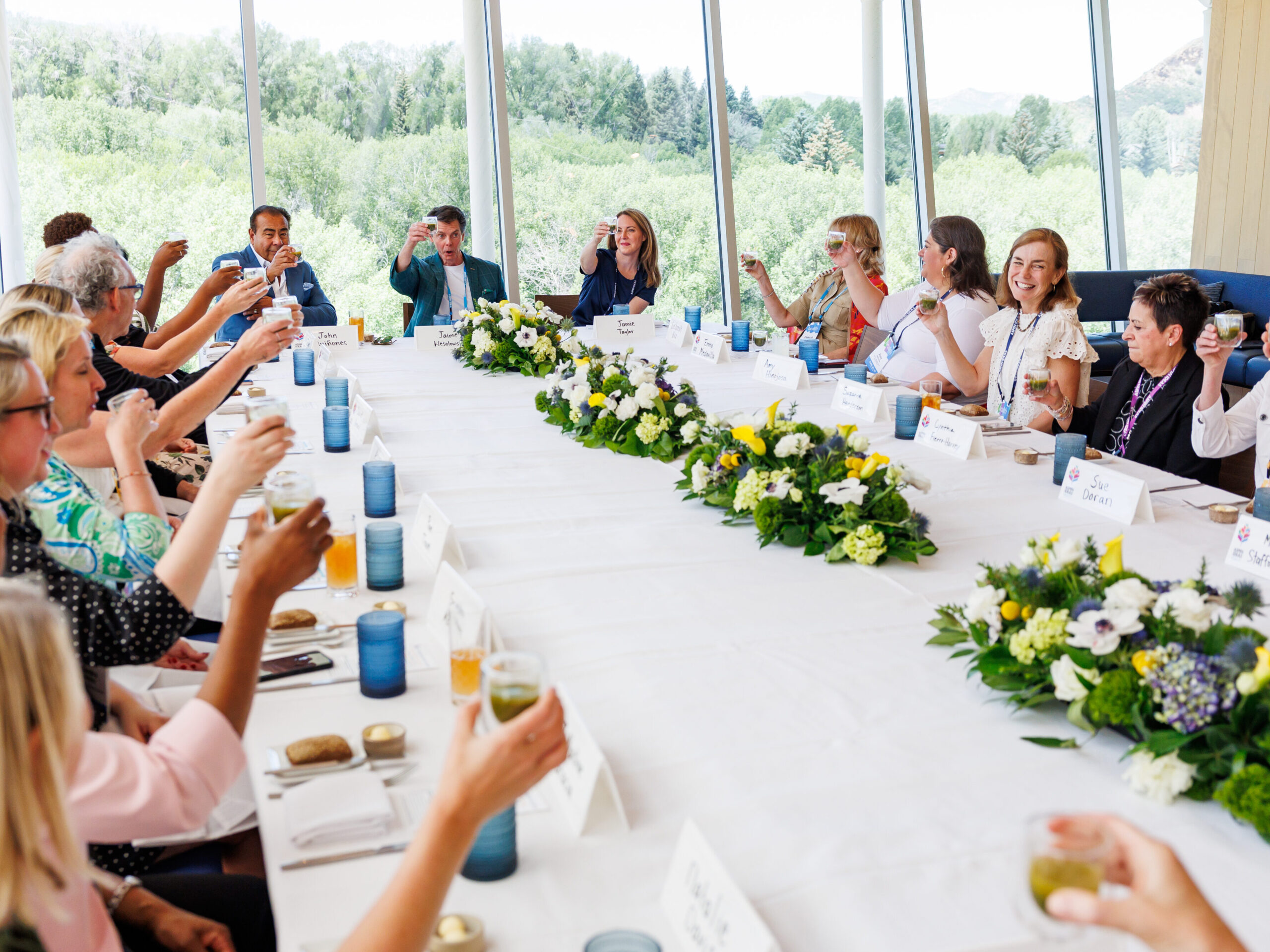
MHM later hosted a private roundtable luncheon, Food as Friend – or Foe. System change thinkers, community leaders, and health and food advocates were invited to the table to discuss food systems and their overall role in physical, mental, and spiritual well-being. Attendees were greeted with a “Shot of Salud,” a green blend of healthy vegetables, fresh fruit, and fiber. Wesolowski raised his glass and shared how the concoction became a daily ritual which gave him strength during his cancer treatment and later into remission. Wesolowski credited his wife, for finding the recipe and preparing the shot for him each day. The conversation later grew into a deeper discussion about the people who prepare and cultivate food systems. Bishop Cynthia Fierro Harvey of the Rio Texas Conferences said, “When I think about who’s missing from the conversation; it’s my mom, my Tia and my abuela, their love language is food—and their voice matters in shaping the future of food system narratives.” 

Courtesy C2 Photography

Ideas and innovations continued to be shared during the final days of AIH. Each session and speaker illuminated the progress that has been made toward better health outcomes while acknowledging the work that still needs to be done. This exchange of best practices fueled the delegation’s passion and purpose in their own line of work and opened the door for possibilities. MHM recognizes the value of global stages, like AIH, as it allows the organization to share its journey with other thought leaders and highlight the service of its team members across the region. By building upon its strategic focus areas and forging new partnerships, MHM will continue to create a pathway toward better health outcomes; a testament to the power and potential of ideas.  

A Call to Prayer For Those Devastated by the Flooding

A man took a journey to a land across the seas to a place of great tragedy and misfortune. He writes, “I did not go by ship or plane, I traveled on my knees. I saw so many people there hurting and heartbroken, and Jesus told me I should go, that there were souls to win and people to help. But I said, “Jesus, I can’t go to lands across the seas.” He answered quickly, “Yes, you can by traveling on your knees.” He said, “You pray, I’ll meet the need. You call, and I will hear. It is up to you to be concerned for people in despair and pain both far and near.” And so, I did; knelt in prayer, gave up some hours of ease, and with the Savior by my side, I traveled on my knees. As I prayed on, I saw people healed and made whole. I saw God’s workers’ strength renewed while laboring in the field. I said, “Yes Lord, I’ll take the job. Your heart I want to please. I will heed your call and swiftly go by traveling on my knees.”

Today, God is calling us to travel on our knees to those Texas communities devastated by the flooding in the last few days. I remind us that there is power in our prayers. God is moved by those of faith and who pray. Max Lucado, a Christian author, says it well, “The power of prayer is not in the one praying but in the One who hears our prayers.”

As we pray, may the book of Psalms comfort us with a promise. It says, “The Lord is close to the brokenhearted; he rescues those whose spirits are crushed” (Psalm 34:18). May the prayer below be a guide to help you to travel on your knees:

Loving God, we turn to you in sorrow and concern for those who have been devastated by the recent floods. We lift up all those communities who have been affected by this tragedy, especially those along the Guadalupe River in Central Texas. We are grateful for the lives saved and for those who remain safe. We are grateful for our churches and members of our MHM family who offer shelter and hope.

 However, we are heartbroken over the devastation and the lives loss. So, we pray for your hand of protection and guidance to be upon them. We pray for comfort and strength for those who have lost loved ones, homes, and livelihoods. We pray for those who are missing and ask that they may be found alive and safe. As the search continues, may their families find solace in your presence and the support of their community. 

May the waters subside quickly and give those communities the strength to rebuild and the hope to move forward. We pray for those working tirelessly to rescue and provide aid, for their safety and endurance. Guide our leaders to make wise decisions that will help those affected and prevent future tragedies.

God, who heals and provides peace, we know the flood waters bring pollution and toxic chemicals. As a result, in the days to come, people may experience illness. In addition, there will be others who will experience emotional trauma due to traumatic times. We pray, in the days to come, for your healing touch on those who are sick and under emotional distress. We also ask for those who are poor and the underserved find healthcare and treatment in their time of need. May your peace that surpasses all understanding fill the hearts of all who are hurting. In your mercy, hear our prayer.

With You on My Knees,
Pastor Scott Nichols
Vice President of Ministry & Mission Integration

Matters of the Mind: Upcoming Mental Health Event Brings Tools and Resources to the Community 

Everyone feels and expresses their emotions differently; people are unique in how they reflect, process, or even suppress their feelings. It’s natural to experience a wide range of emotions and expressions. However, not understanding them can be harmful to our well-being. 

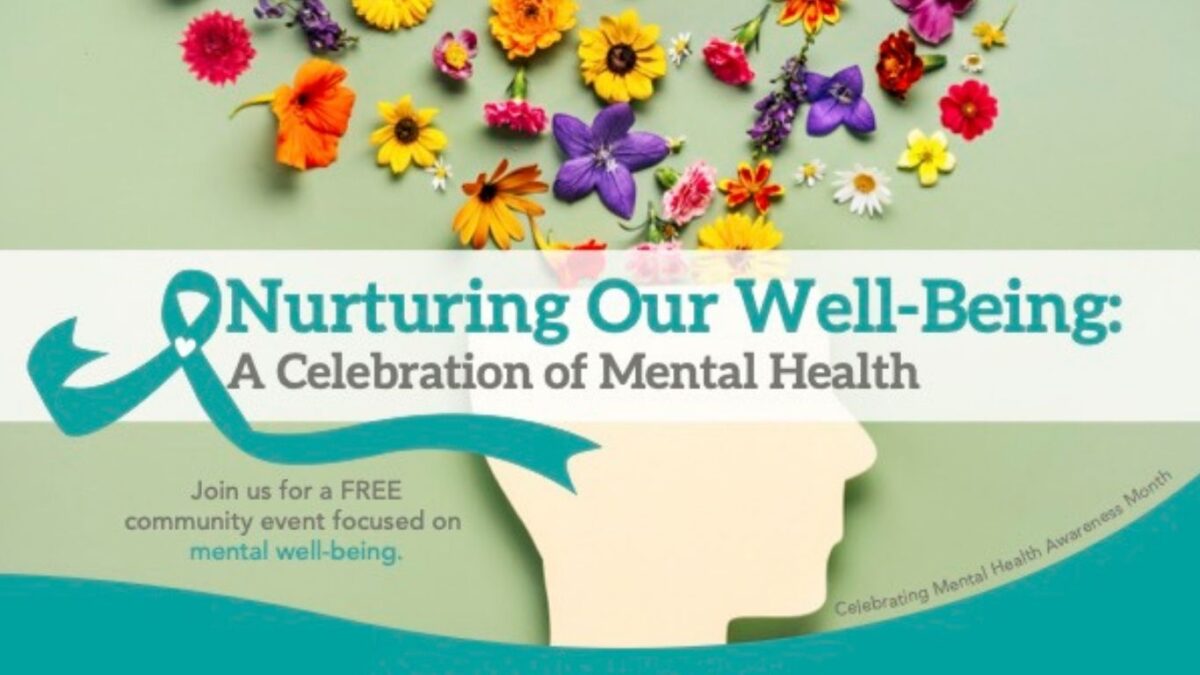
May is Mental Health Awareness Month, and Methodist Healthcare Ministries of South Texas, Inc. (MHM) recognizes the importance of providing educational resources to the community. The upcoming Nurturing Our Well-Being: A Celebration of Mental Health will bring together a variety of tools and experts at the Dixon Health & Wellness Center. 

The event is free and open to the public and will include a produce market, live music, and a baila class. In addition, there will be several activities that are focused on well-being such as breathing exercises, drum circles, and chair yoga. 

Team members from MHM’s Behavioral Health department explain that mental health challenges are more common than many realize—but a lack of understanding can lead to deeper issues that may impact future generations. 

The Silent Struggle: 

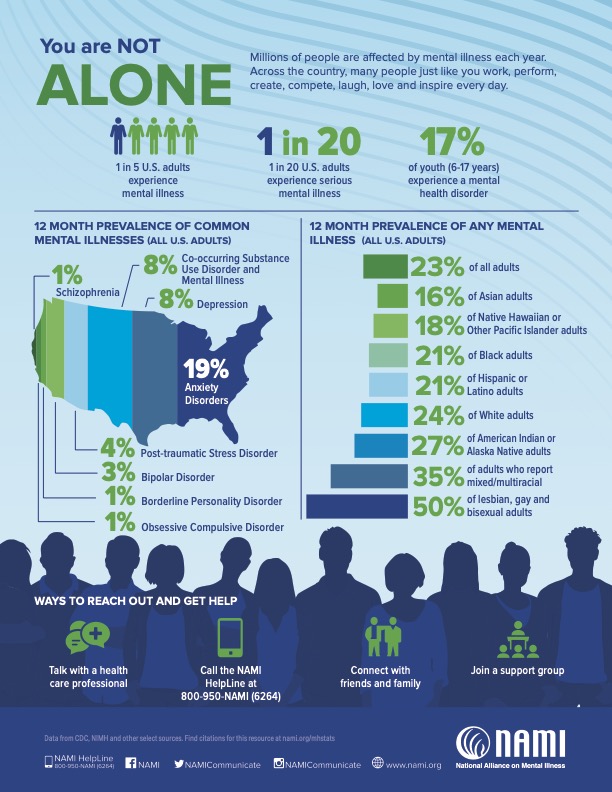
Mental health illness affects millions of Americans and their everyday lives.  

Numbers at a Glance

  • 1 in 5 U.S. adults experience mental illness each year 
  • 1 in 20 U.S. adults experience serious mental illness each year 
  • 1 in 6 U.S. youth deal with mental health disorders There are several types of mental health conditions that affect people differently and the way they relate to others.

There are several types of mental health conditions that affect people differently and the way they relate to others.1 

Common Conditions

  • Anxiety Disorders 
  • Bipolar Disorder 
  • Depression 

  • Posttraumatic Stress Disorder

  • Borderline Personality Disorder

From Struggle to Support: 

There are many symptoms and signs linked to mental illness—from constant worrying and substance abuse to physical pain, such as headaches and stomach aches. 2 

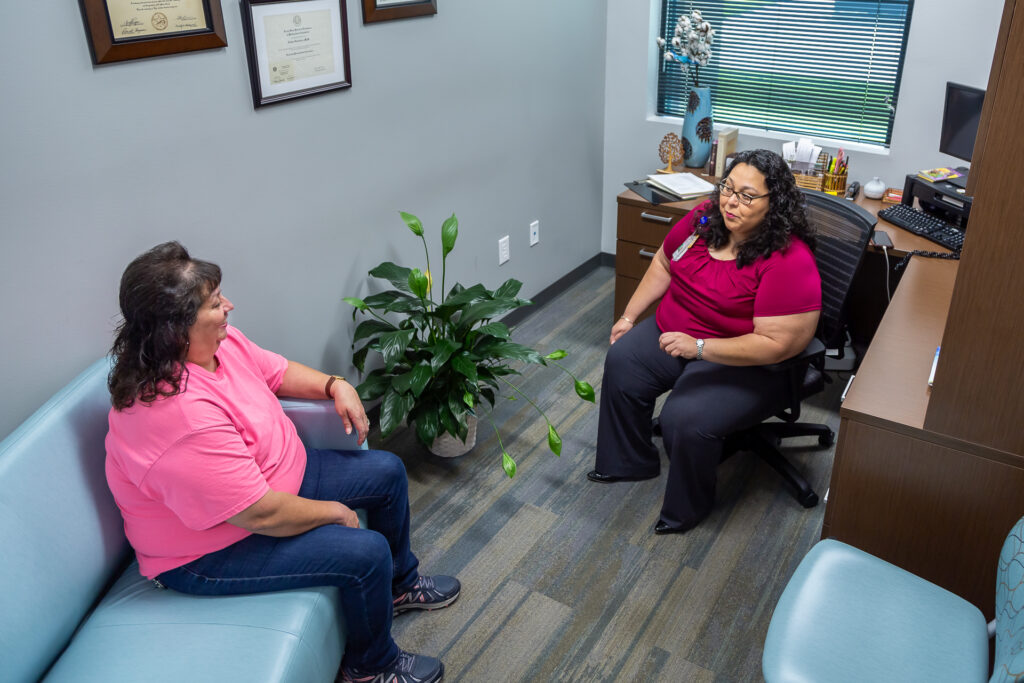
MHM Regional & Clinical Counseling Manager, Leslie Frazier, explains how these symptoms can affect various aspects of life, “Mental illness can impact several parts of a person’s life, from stress that leads to headaches, to irritability that leads to anger. The struggles in our mind have physical impacts on our daily life.” 

However, people may not always recognize when something is wrong, or they may not know where to look for answers. Celina Gonzalez, Behavioral Health Supervisor reminds others, “We are here to help and find possible solutions.” 

MHM’s Behavioral Health Department provides bilingual services at its San Antonio based clinics; the Wesley Health & Wellness Center and Dixon Health &Wellness Center, including parts of its 74-county service area:

The Path to Recovery and Resilience: 

Although mental health challenges can lead to feelings of isolation, Frazier reminds people they do not have to suffer in silence, “We want anyone feeling mental strain or illness to know that they are seen and that there are so many people and professionals available.” By raising awareness in the community, individuals and families can be equipped with the knowledge and resources that can be both life-changing and lifesaving. 

Gonzalez believes the upcoming event will be an opportunity to strengthen community bonds and instill healing and hope, “It is our hope that everyone feels the embrace of our organization and that they feel safe and supported as they journey through nurturing their well-being.” 

Click image to enlarge.

Each person’s experience with mental health is different, and it’s not uncommon to sometimes feel alone. These silent struggles often stem from stigma, which is fueled by misconceptions or feelings of shame surrounding mental health. This is why community events play such an important role in showing that support and solidarity are all around us. Through open conversations, people can realize there is help—and that hope is always possible. 

MHM is committed to its core mission of “Serving Humanity to Honor God,” and will continue to offer accessible resources that aim to lift people up in mind, body, and spirit. By connecting the community with helpful tools and knowledgeable experts, people can begin to shift from outdated stigmas toward a sense of empowerment and strength. 

Click image to enlarge.

Nurturing Our Well-Being: A Celebration of Mental Health will begin at 9 a.m. on Saturday, May 17 at the Dixon Health & Wellness Center. For more information on the event, [click here]. 

Beyond the Boardroom: An MHM Journey through the Rio Grande Valley

Since 2020, Methodist Healthcare Ministries of South Texas, Inc. (MHM) has pursued a strategic journey to advance health equity across its 74-county service area. The organization has deepened its commitment to prioritize listening to and learning from various people with lived experience, which has led to significant strides in its journey. MHM walks alongside these individuals and families as they collaborate and seek solutions to improve the health and well-being of their communities. To continue this empowering engagement, MHM’s Board of Directors travelled to the Rio Grande Valley (RGV) in February. MHM’s Board sought to further their knowledge of the places and people the organization serves; throughout the week they met with local grantees, regional team members, and various community leaders and members. The trip served as an opportunity to see the impact MHM has made in the area and foster a deeper understanding of the disparities that still exist and the resilience that has formed. 

A Broader Perspective of the RGV

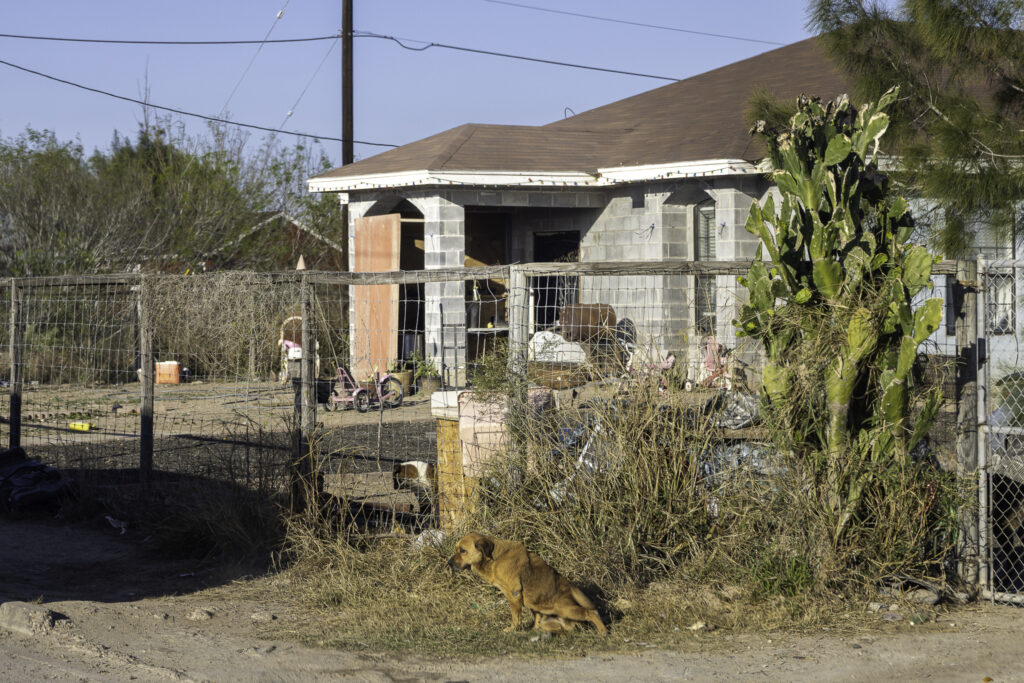
A colonia neighborhood in Hidalgo County.

The RGV is one of MHM’s most populated service areas and is found in the southernmost tip of Texas. Over 1.3 million people reside in the RGV, with most of the population being Hispanic.1 The region is made up of four counties: Starr County, Hidalgo County, Cameron County, and Willacy County. Palm trees sprawl across dozens of adjoining cities and towns, each with unique characteristics and commonalties in culture. There is a blended dialogue of English and Spanish and generations of deep cultural traditions and values that dictate a strong sense of family, faith and resilience. Despite the growth of the RGV, the region continues to combat systemic inequities that disproportionately impact the well-being of economically disadvantaged individuals and families. Rural parts of the RGV lack access to nearby hospitals, grocery stores, and even libraries. Closer to the Texas-Mexico border are rural subdivisions referred to as ‘colonias’. These neighborhoods are commonly found in unincorporated areas and many households have a mixed immigration status.2  The journey to the RGV led the Board to several of these places where the group experienced firsthand how these factors have contributed to generations of health inequities and injustices. 

Stories of Resilient Residents:

MHM board member, Susan Hellums listens to colonia resident.

The MHM delegation first travelled from San Antonio to Hidalgo County – where most colonias are situated.3 The trip began with a stop at McAllen First United Methodist Church (FUMC) where the BOD also held their monthly meeting. Susan Hellums is a local board member who lives in McAllen; she welcomed the group and prepared them for their journey, “I’m excited for them to meet the people and see what’s off the beaten road and see what the valley is really like.” Hellums has served on MHM’s BOD for seven years, she underscored the importance of going beyond the board room to gain a broader perspective of communities, “People want to learn; they want to see what they are working for.”  

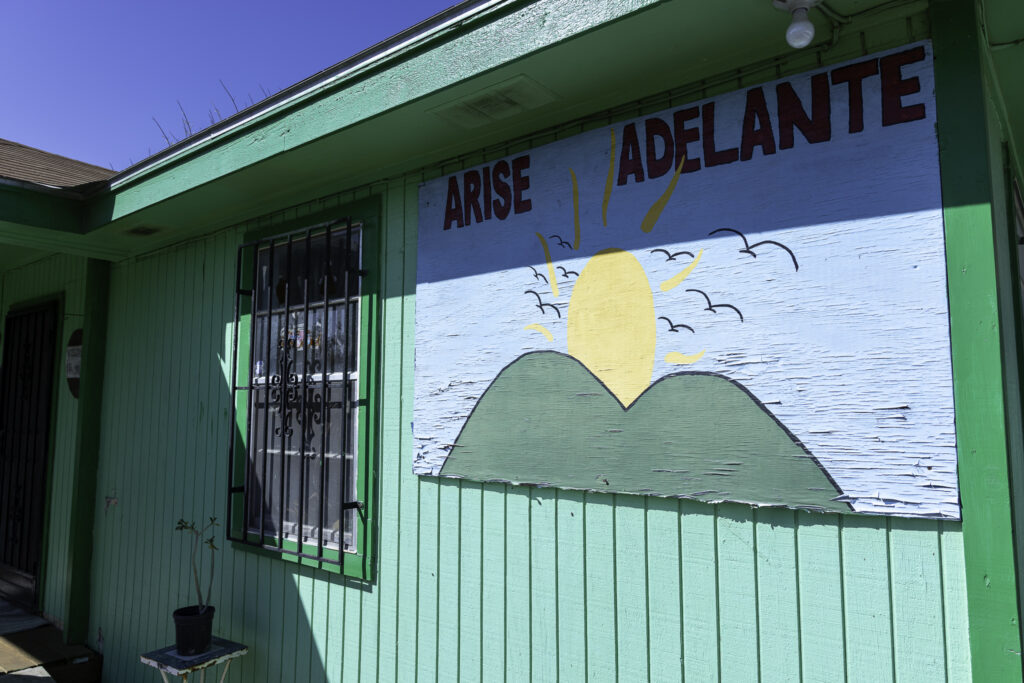
ARISE Adelante South Tower location.

The BOD travelled from McAllen FUMC to ARISE Adelante in the city of Alamo. For over 30 years, the non-profit organization has promoted the personal development and empowerment of immigrants living in the RGV through resources, education, and support. The BOD arrived at the non-profit’s South Tower location which is based in a colonia. The building brightly stands out with its green exterior and logo of a sun rising over a hill, a symbolic illustration for a brighter future.

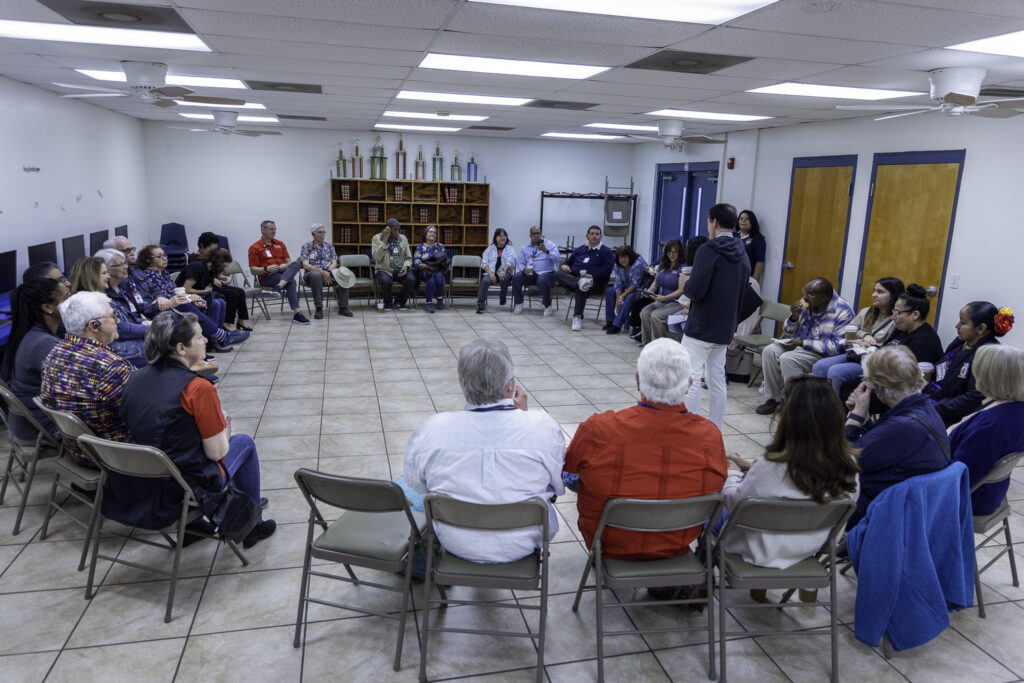
The BOD met with ARISE staff and members of MHM’s South Texas Community Council, who serve as a regional voice for the organization. Raymond Howard has served on MHM’s Community Council since 2022, “It’s important for leaders to see and understand from a personal perspective what people are dealing with and for communities to recognize they have a strong voice to influence the thinking with those that are in partnership with them.”

ARISE staff shared their experience working in colonias where residents navigate various barriers such as poor infrastructure, limited lighting, and access to care. The organization collaborates with colonia residents to build leadership capacity in the community and create a safer atmosphere as they work toward solutions.  

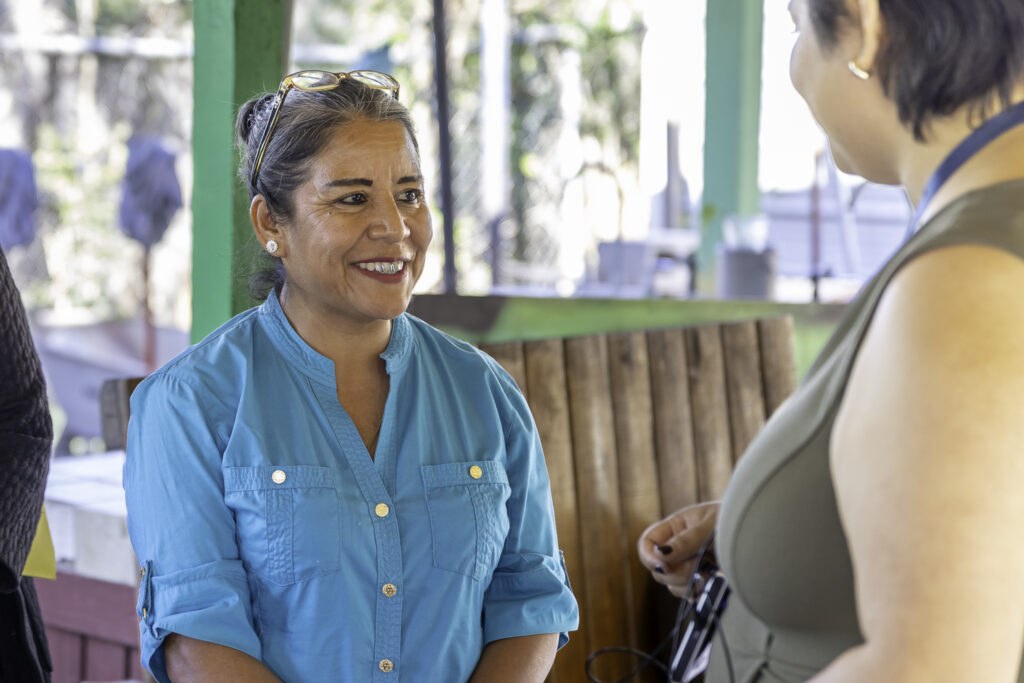
Colonia resident shares her testimony with visiting delegation.

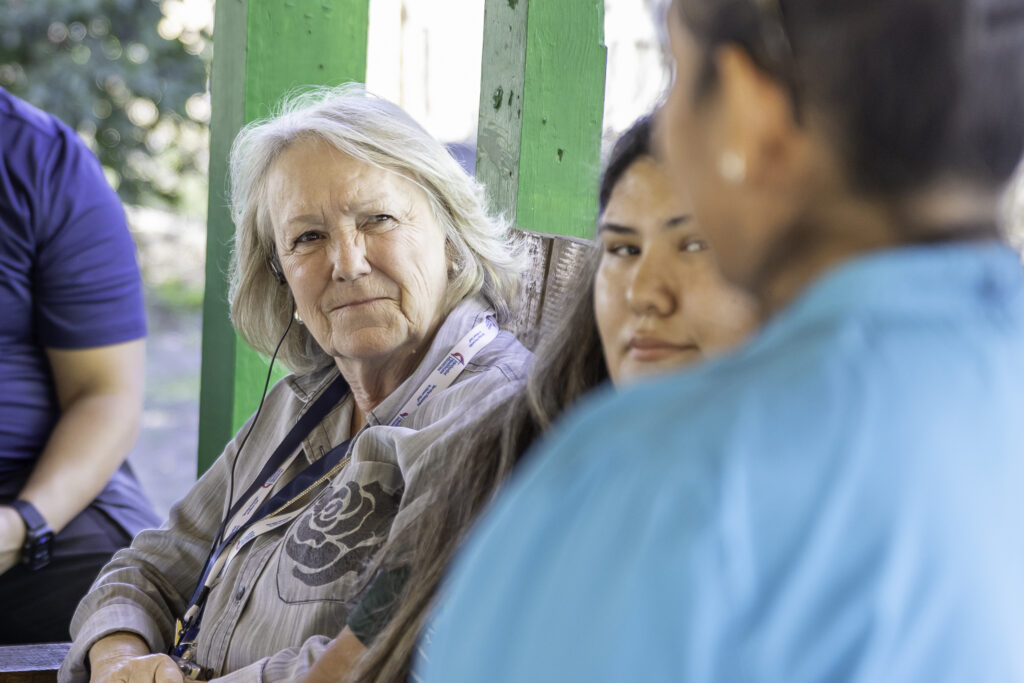
The BOD divided into separate groups and were introduced to colonia residents from the area. One group gathered under a small pavilion, where a woman shared her testimony. She and her husband came from the state of Hidalgo, Mexico and have lived in a colonia for over 20 years. Her husband was dealing with serious health issues and she tearfully expressed how she must navigate through transportation barriers to get him to medical appointments. Despite her concerns, she remained steadfast in her faith and grateful for the support and community she found with ARISE. She asked the group to pray for her husband’s health before they departed; MHM BOD, Reverend Dr. Robert Lopez offered to lead them in prayer. He expressed the importance of standing in solidarity with one another, “Praying is a form of hope. It’s important to hear the person’s story; this is a person with a husband who has medical issues and should be treated with dignity. This woman was very brave to share her story.”  

Warning signs point to risks associated with fish.

To further their knowledge of the region, the BOD travelled to Donna Lake located south of the city of Donna. At first sight, the lake appears picture-perfect, but nearby signs paint a different image. Although the lake is a source of drinking water and irrigation to nearby areas, ARISE staff explained there are risks associated with the fish in the water, which reportedly contain traces of polychlorinated biphenyls (PCBs).4 Although physical signs pointed to the dangers of consuming fish, the water is often used as a source for recreational fishing and a way for residents to still provide for their families.  

Deepening Knowledge and Connection:

The next morning began at La Unión de Pueblo Entero (LUPE), an organization that was started by labor rights activists, César E. Chávez and Dolores Huerta in 1989. The BOD travelled to LUPE’s headquarters in the city of San Juan to learn about the organization’s ranging services. The staff explained how they assist people with social services and English classes to fighting deportation and pushing for adequate streetlights and drainage systems in colonias. The BOD later travelled to a nearby colonia where progress was being made.

Board members listen and learn from colonia residents.

Board members from the national nonprofit organization, Grantmakers in Health (GIH) had previously toured the colonia with a delegation of MHM team members in March 2024. At the time residents shared their concerns over flooding and the muddied road which laid the path to their homes. However, steps were taken to fix the poorly paved road which is now easier to navigate. There was also anticipation for a future park that would be built nearby; a place for recreation and congregation.  However, residents and advocates are still working toward public lighting and proper drainage for the colonia. One woman has lived in the area for over 30 years with her family, she said the progress gives her hope. The BOD travelled to another community where residents navigate a range of similar adversities. Although both colonias experience a unique set of challenges, residents share a common strength. Dr. Rudyard Hilliard has served on MHM’s BOD for over a year, “What inspires me most is the dignity of people and their passion. It inspires me to do more. It’s important to make a connection to the people we are serving.”  

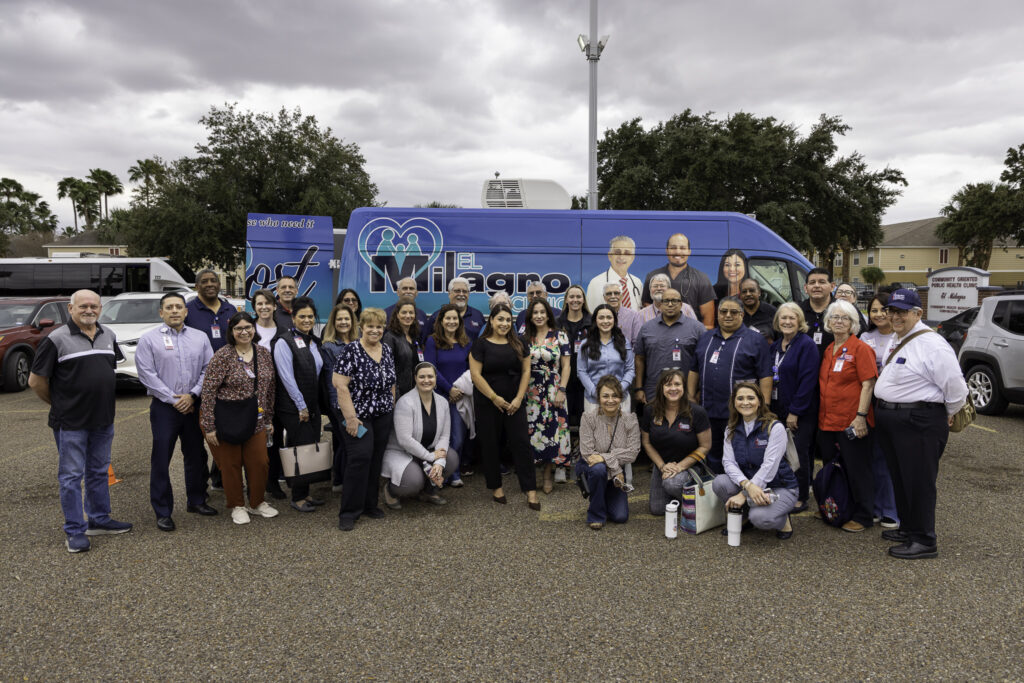
MHM delegation visit with staff from El Milagro Clinic.

The BOD later toured El Milagro Clinic, in the city of McAllen. The clinic is a MHM grantee focused on providing various services that include disease prevention, primary and behavioral health care services to patients. The BOD learned how the clinic goes beyond its doors and into rural communities in the form of a mobile clinic. El Milagro Clinic also serves as a network of nutrition and includes a stocked food pantry that patients can access. The day ended with a gathering of regional MHM team members who shared the stories of their communities. The BOD met with Wesley Nurses, Community Health Workers, and Community Counselors to hear about their experiences working with various individuals and families in the area.  The exchange of insights and information helped the BOD piece together the unique challenges and strengths that make up the RGV. 

The Rural Reality:

Willacy County

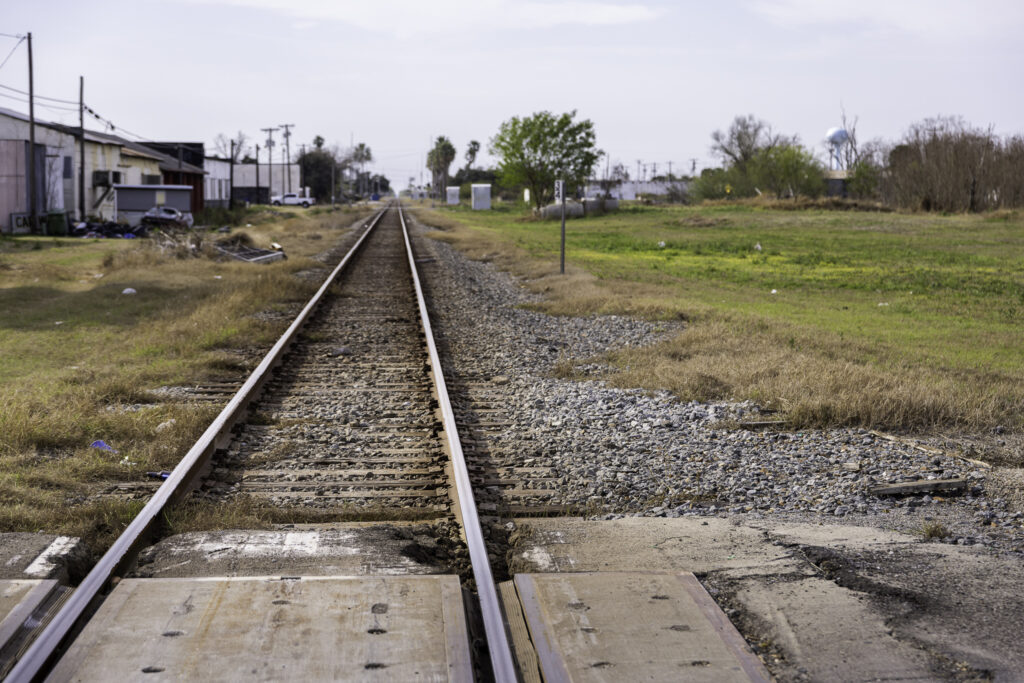
On the final day of their trip the BOD ventured to the community of Raymondville in Willacy County. Although it is just an hour away from Hidalgo County there is a stark contrast between the two regions. The population is much smaller, with just over 20,000 people who reside across a rural backdrop.6 The BOD met with Angela Gonzalez who is the Wesley Nurse in the area. Gonzalez works out of Raymondville Methodist Church which also serves as a food pantry to the county. She brings food from the church’s pantry to a nearby community center in the town of LaSara. The community center is a place for residents to connect with various resources and build bonds with one another. The BOD met with residents to hear their testimonies and challenges of living in a rural community. Some residents pointed to the lack of nearby jobs and long commutes to hospitals and grocery stores. Although they each expressed a desire for the town to grow, they also shared their joys of living in a tight-knit community.  

LaSara residents meet with various MHM leaders.

Ashley Landers has served as a BOD for four years and is the current vice-chair of mission. She believes in the importance of going into the communities, “When you’re in a boardroom it’s like you’re doing business and when you’re visiting the people you, serve it changes from business to individuals.” By witnessing and learning from others, Landers believes more progress can be made in MHM’s journey, “It’s the way you operate with your decision making – driven by empathy and emotional connection to people. When you can do these types of trips that comes to the forefront, and I think makes you a better board member.” 

The Journey Forward

As their trip to the RGV came to an end, the BOD gained a new perspective of the region. By experiencing and learning from others, the BOD can continue to make impactful decisions. Each community the BOD visited is a piece to MHM’s purpose. Although residents experience a mix of problems there is also partnership and perseverance. MHM understands the value of walking alongside communities as it seeks to fully live out its mission, “Serving Humanity to Honor God”. Although inequities persist, the work to improve the wellness of the least served will continue.  

2024: A reflection of stories, strides, and service 

The start of a new year symbolizes a time of new beginnings; it represents renewed hope and optimism, as well as new intentions and goals. Methodist Healthcare Ministries of South Texas Inc. (MHM) shares in this excitement as 2025 is expected to be a significant year for the organization. MHM will also celebrate a monumental milestone; 30 years of Serving Humanity to Honor God. As team members continue to live out this mission in the new year, it is important to reflect on the work and compassion that has laid the groundwork for the year ahead. Below are some of the highlights that made 2024 an unforgettable year of service.

United under the same banner: 

 Camaraderie and unity rippled across the organization in 2024. Team members throughout MHM’s service area engaged in several internal events and gathered to celebrate fellowship and friendship. Each event was also an opportunity to illuminate the value every team member brings and the importance of their work.  

2024 Connection Point Kick-Off: One of the biggest gatherings of the year was the 2024 Connection Point Kick-Off. It was an occasion that brought team members from near and far together in one place. The Boeing Center at Tech Port in San Antonio hosted the in-person event, which takes place once a year. There were exchanges of introductions and information as the event also served as a learning opportunity for all team members. The theme was ‘Fingerprint to the Future’, which honored the impact team members have in the journey to advance health equity. 

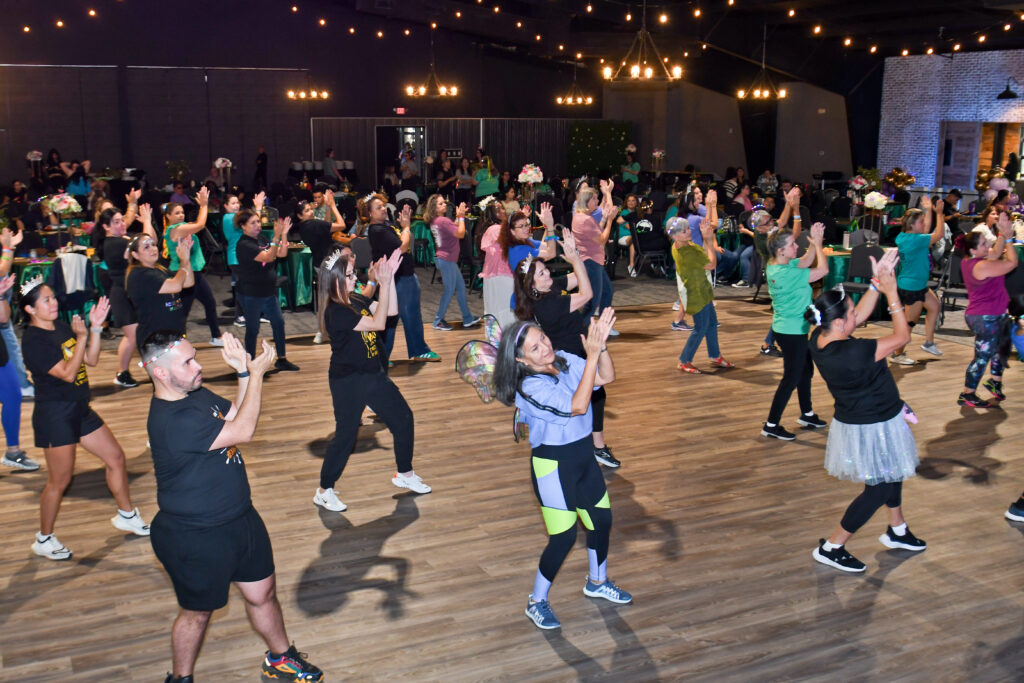
MHM Annual Team Retreat: It was a ‘Day of Enchantment’ for MHM during the annual team retreat which took place at  Pedrotti’s Ranch. Team members embraced the theme, as some adorned flower crowns and others fairy wings. Departments were encouraged to design t-shirts that illustrated the magic of their work.  Activities ranged from art and craftsmanship, to dancing and karaoke. A volleyball tournament also brought out friendly competition between players. Every year, MHM dedicates a day for team members to re-energize and reflect on their meaningful work and shared mission.   

Wesley Nurse Forum: The Wesley Nurse Forum took place twice in 2024, May and October. Wesley Nurses, Community Based Counselors, and Community Health Workers across the service area gathered in San Antonio for two days of learning and engagement. There were several speakers and workshops; however, it was also a time of solidarity as team members discussed their shared compassion and dedication to provide care and services to the least served in our 74-county region.

New approaches and new heights: 

 It was a year of change and achievement across every level of the organization. From a website re-design to a new grant cycle process, new innovations were introduced that refined how MHM serves its patients, clients, and community partners. MHM was one of two organizations that received the Governor’s award for its exceptional performance and practices at the Quality Texas Foundation Regional Program Awards. Community programs also reached new milestones during the year.  

MHM Website Redesign: MHM sought to better communicate its message and services to stakeholders as part of its website redesign. Departments carefully reviewed specific information and resources to ensure stakeholders could access what they needed. The new site illustrates the work and impact from across the region.  The website re-design is one-way MHM is committed to advancing health equity.  

Grant Cycle Process: Last year, MHM introduced innovative approaches to the 2025 grant cycle process.  The Community Investments team had previously examined how its grant support could be most impactful. The team spent time reviewing philanthropic industry best practices and identifying gaps in MHM’S 74-county service area. The process incorporated feedback from stakeholders across the region and within the organization. Equitable grant practices were incorporated in an effort to reduce administrative burdens for grantees and provide more flexible funding.  

Governor’s Texas Award for Performance Excellence (TAPE): MHM received the TAPE award for the highest level of achievement regarding best practices for participating organizations – given by the Quality Texas Foundation Regional Program (QTFRP). MHM was one of only two Texas organizations to receive the recognition after successfully adopting and utilizing the Baldrige Criteria for Performance Excellence, a program that raises awareness about the importance of performance excellence and empowers organizations to reach their goals while improving results.  

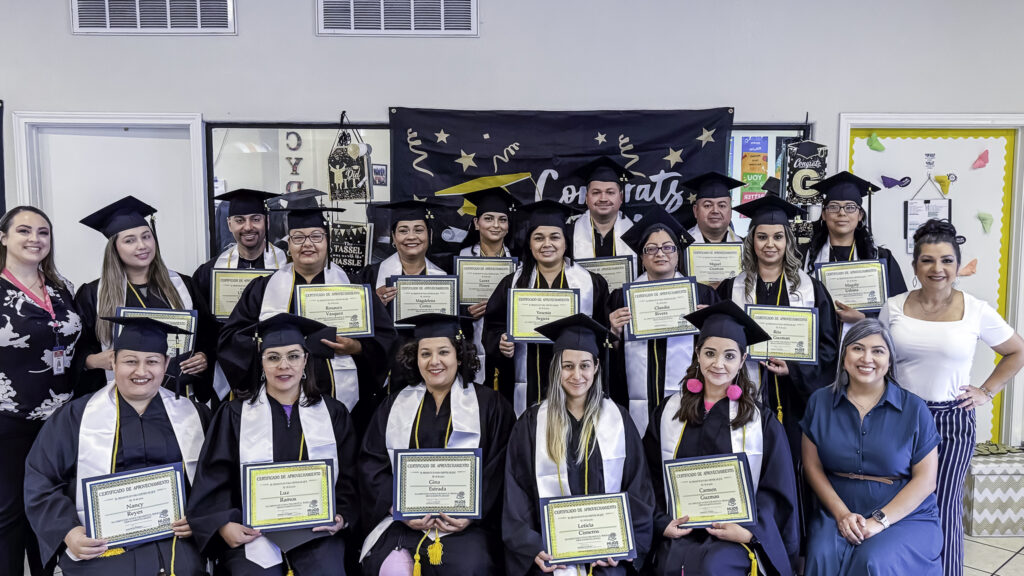
Parenting Program: Last year, MHM’s Parenting as Teachers (PAT) program earned the prestigious Blue-Ribbon award. The recognition is a reflection of the program’s commitment to high-quality home visitation and parent education. The national recognition highlighted the hard work of everyone involved and set the benchmark for excellence in the field. The Parenting team also celebrated its first cohort of Laredo parents. The parents completed classes as part of the Peer Parenting program, which seeks to deepen parents’ knowledge on child development as they build networks of resources and support.  

Across the service region and beyond: 

MHM had another busy year of travel. Every trip was a learning experience accompanied with an interchange of thoughts and ideas. It was also a chance for regional team members to connect with various leaders across MHM. Conversations and collaborations even excelled to the national and global stage. 

Regional Tours: Various delegations made up of MHM team members and leaders travelled across the service area in 2024. They visited the tight-knit community of Kerrville and met with local partners at the Doyle Community Center and Light on the Hill. In the mid-border region, they were introduced to Val Verde Border Humanitarian and Mission Border Hope and learned of the aid provided to immigrant families. From the Rio Grande Valley to the Hill Country, the traveling delegations were led by regional team members, who are embedded across communities.  

Grantmakers in Health: MHM has a partnership of philanthropy with Grantmakers in Health (GIH); its Board of Directors along with members of MHM’s executive team and staff travelled to the Rio Grande Valley to learn more about the colonias along the Texas-Mexico border. The representatives met with staff members from La Union del Pueblo Entero (LUPE), an organization that assists working-class and immigrant families. They toured several colonias and were introduced to the friends and families who live there. The trip ended with a deeper understanding of the unique barriers and inherent strengths that exist along the border.  

Aspen Ideas: Health: The journey to advance health equity led MHM to Aspen Ideas: Health. The international summit draws in thousands of attendees each year to engage in discussions with leaders and thinkers across a multitude of sectors. MHM leaders took part in one-on-one interviews, panel discussions, and live podcasts. They pointed to the organization’s long-standing history in providing access to care, and shared how MHM’s strategic plan and framework has helped move its mission forward. It was also an opportunity to learn about practices other organizations are utilizing in their respective fields.  

MHM travels to the D.C.: MHM leaders and its policy team joined advocates with the American Cancer Society Cancer Action Network (ACS CAN) in Washington, D.C. for its annual Leadership Summit & Lobby Day. President & CEO, Jaime Wesolowski, along with board members Ashley Landers and Dr. Penn Wickersham participated in three days of hands-on training, educational seminars and events. Hundreds of advocates championed for increased funding for cancer research and passage of the Medicare Multi-Cancer Early Detection Screening Coverage (MCED) Act. The MHM delegation also attended the Light of Hope ceremony where ACS CAN honors cancer survivors and remembers those lost to the disease.

Stories of impact: 

There were several stories that illustrated MHM’s health equity journey and impact across its 74-county service area. Videos and blogs were shared across various social platforms, including YouTube, MHM Connect, and the MHM website. The stories addressed the health inequities communities experience and the people who are committed to making a difference.  

Funded Partner Spotlights: The Funded Partner Spotlights series opened with the city of Pharr and how they are advancing digital equity in their community. TEAMPHARR.net is a program which connects residents to affordable, high-speed internet. Vibrance Health highlighted its efforts to increase food security in Matagorda County. Working with area school districts, they underscored the importance in agriculture and sustainable food sources. Community Resource & Recreation Center (CRRC) of Canyon Lake is known as “the Hub” for community members, serving as a food pantry and crisis assistance. Healthcare services and recreation programs are also offered.  

Health Equity Series: The communities of Del Rio and Hidalgo County were featured as part of MHM’s Health Equity series. Although each community is unique, similar barriers still exist. The series depicts various nonprofits and community partners, who are working together to address the issues which range from healthcare, transportation, and food insecurity.  

In-Depth Pieces: Informative blogs were written throughout the year. Between County Roads: A Reflection on the Health Hardships and Resilient People of South Texas Colonias outlined the systemic inequities that exist within rural communities along the Texas-Mexico border. The piece also highlighted the strong and unified spirit of colonia residents. Latino culture and its impact on mental health was explored in Barriers to Bridges: Mental Health “Cultura” Examining the pride of South Texas ‘cultura” and the stigma of mental health. 

A commitment to serve and support: 

The term “caring servants” was exemplified across all levels of MHM in 2024. Team members lent their time and support to other community centered organizations and events throughout the year. There were also various volunteer opportunities which allowed for team members to become more immersed in communities.  

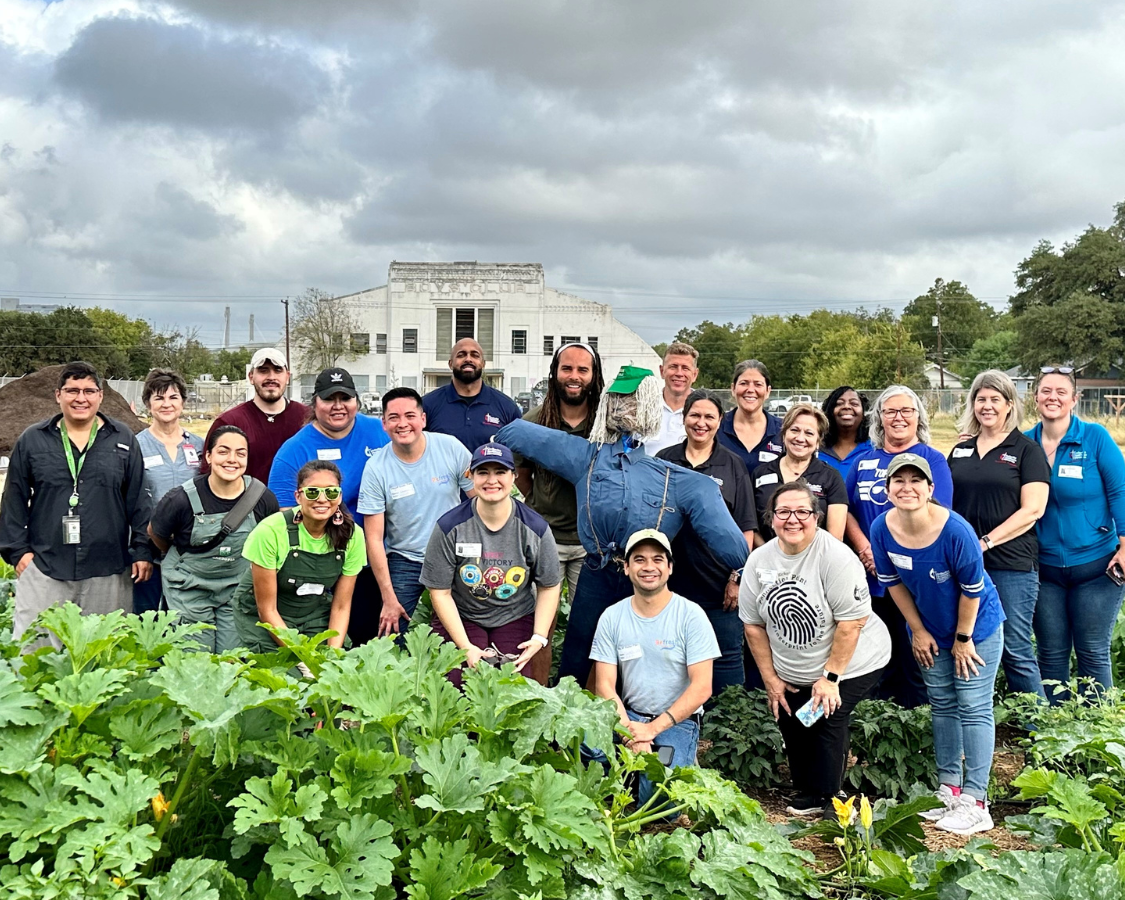
MHM Volunteers: MHM introduced a new Volunteer Time-Office policy in 2024. The purpose was to support team members as they identified and engaged in volunteer opportunities with other charities, causes or nonprofit organizations in the community. One of the volunteer highlights was with Gardopia Gardens. The nonprofit organization is dedicated to enhancing food security through urban gardens in underserved communities. Team members rolled up their sleeves and prepped a new garden plot for students of the Young Women’s Leadership Academy.  The plot gives students a place to plant fresh produce and learn about sustainable gardening. 

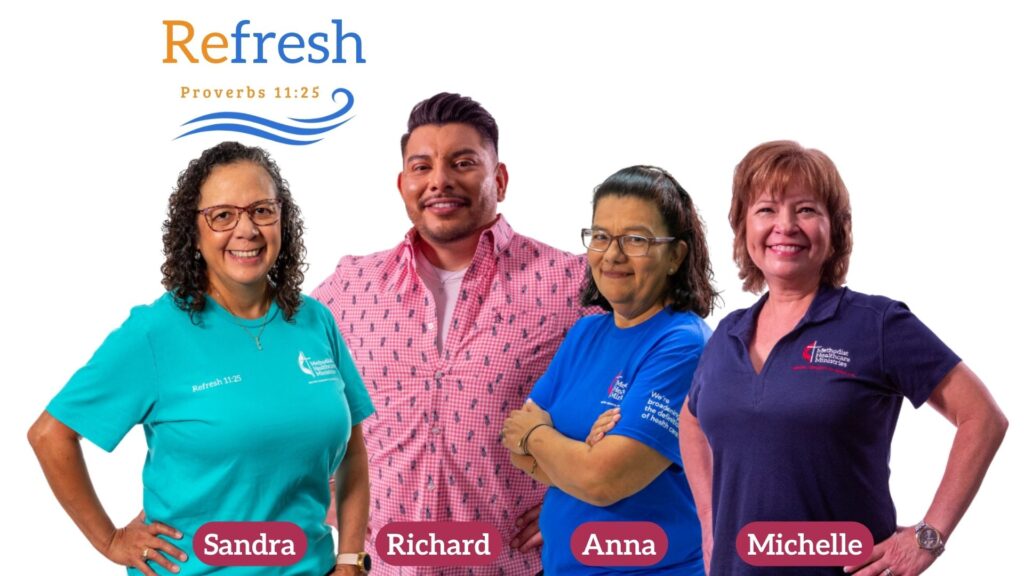
Refresh Campaign: Over $50,000 was raised as part of the 2024 Refresh campaign, MHM’s annual employee giving campaign. The funds went to four different organizations: the American Cancer Society, the American Foundation for Suicide Prevention, United Way, and Bike MS 150: Ride to River. The fundraising initiatives were led by MHM team members – also known as Refresh champions, Sandra Moreno, Ana Castillo, Michelle Mihelich and Richard Herrera.  President and CEO Jaime Wesolowski and MHM’s Board Chair, Mike Porter teamed up with some of the champions to support the respective causes.   

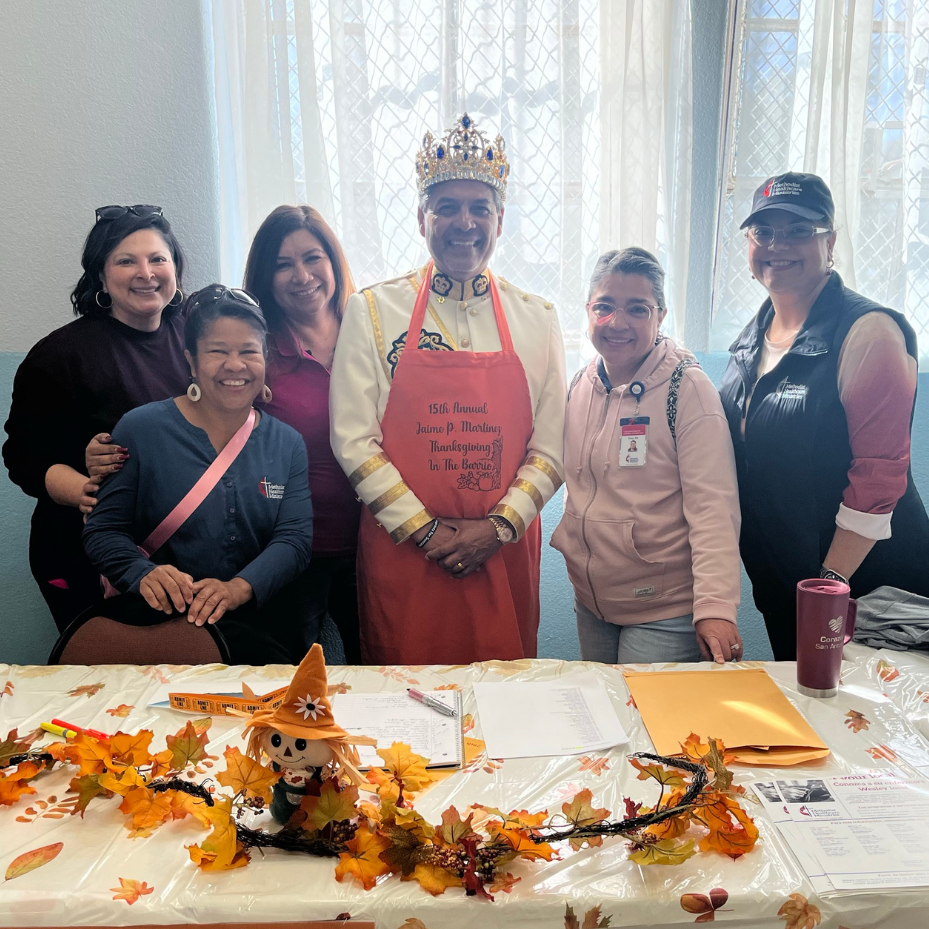
Thanksgiving Community Service: The spirit of giving was alive throughout the holiday season. MHM supported several community centered events including the Jaime P. Martinez Annual Thanksgiving in the Barrio; hosted by the Cesar E. Chavez Legacy and Educational Foundation. Team members also showed support for the city of Seguin during the annual The Table: A Community Thanksgiving Meal.

Community celebrations: 

Throughout the year there were several other MHM events that brought hundreds of community members together at the Wesley Health & Wellness Center and the Dixon Health & Wellness Center. Each event was layered with helpful resources and fun activities that were catered toward the families.  

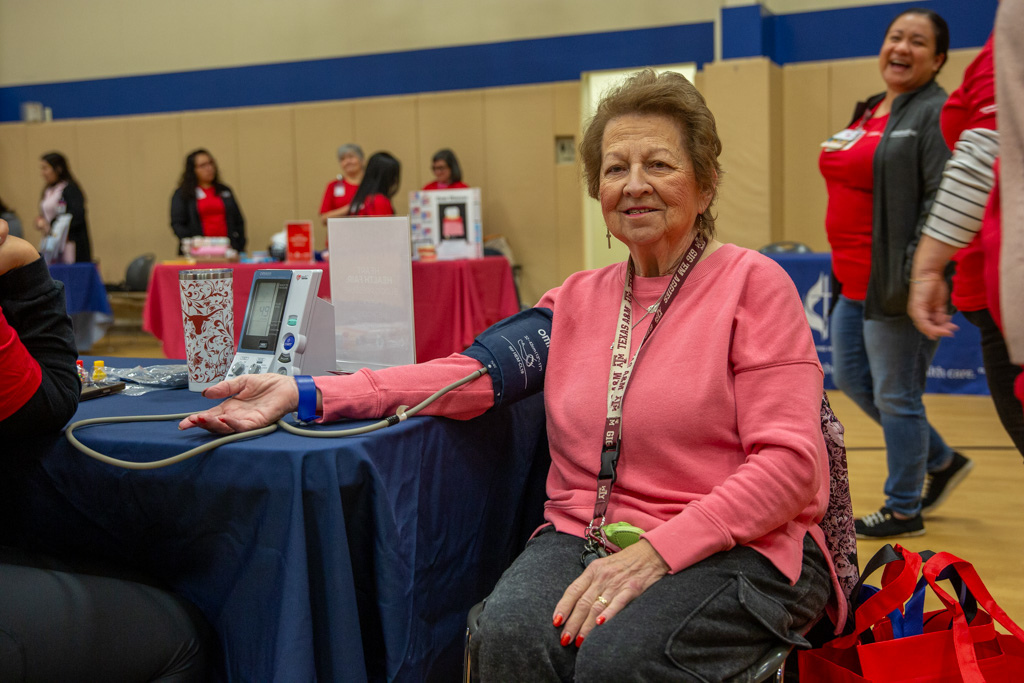
Heart Health Fair: The annual February Heart Health Fair event at the Wesley Health & Wellness Center was an opportunity for the public to learn the importance of cardiovascular health. Over 200 attendees engaged with team members and community partners as they shared health tips and services. There were various activities and free produce available to families. Representatives from AugustHeart, San Antonio’s free heart screening program also provided screenings and information for teens. The screenings help to identify potential heart issues that may go unnoticed during adolescence.  

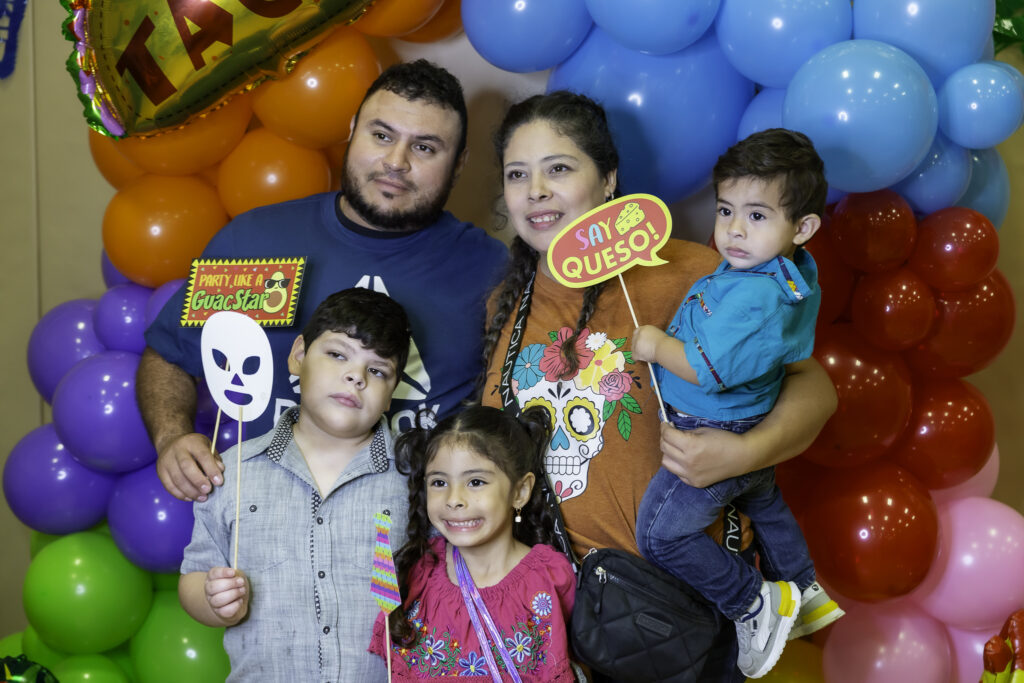
Family Fiesta: MHM kicked off Hispanic Heritage Month with its third annual Family Fiesta. The event took place at the Wesley Health & Wellness Center and served as a day of health and fun for families. Over 350 attendees gathered for several activities, and valuable resources from 17 partners such as CPS, SAWS, The Diaper Bank and various other MHM services.  

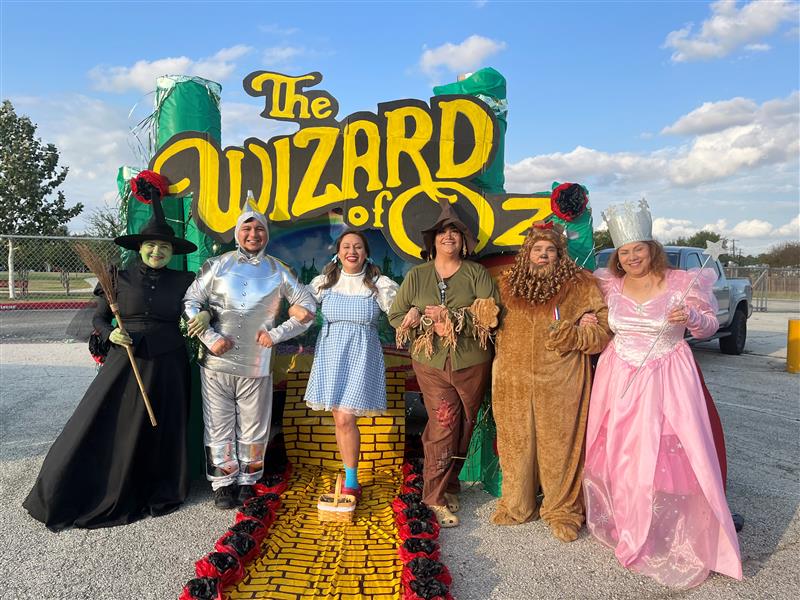
Trunk or Treat: The annual Trunk or Treat brought out the community for festive fun and amazing costumes. Vehicles were decorated in accordance with the occasion, where candy and goodies were distributed. The event serves as a safe alternative for families to go from car trunk to car trunk to collect candy. The event serves as another opportunity to strengthen communities and build stronger relationships with the families MHM is proud to serve.   

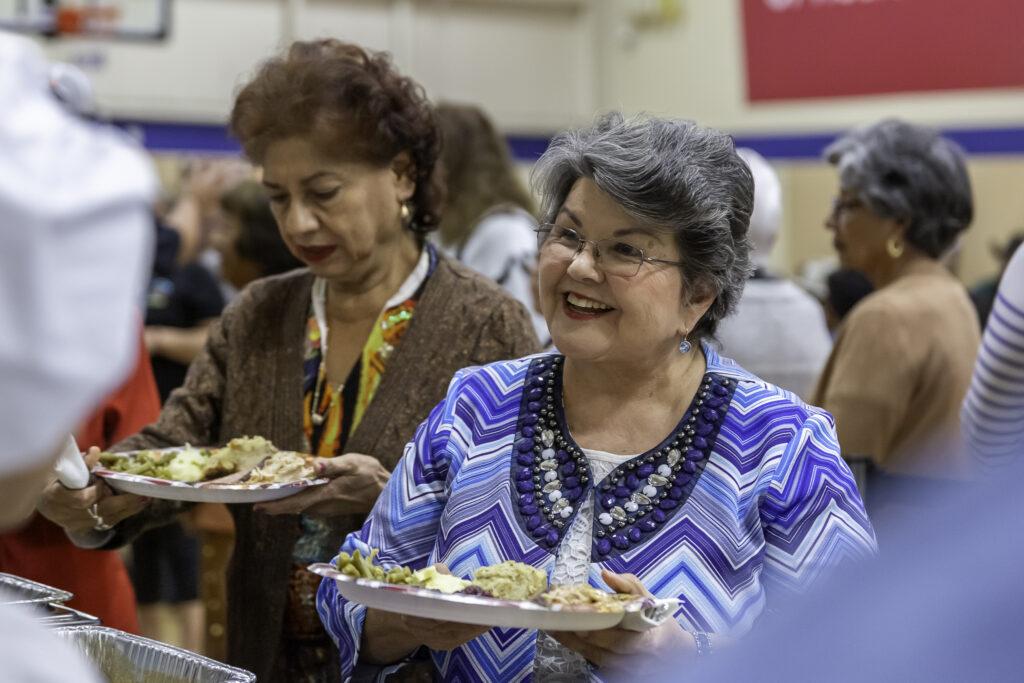
Thanksgiving Luncheon: A Thanksgiving Luncheon was held at the Wesley Health & Wellness Center. Patients and clients were invited to break bread and spend an afternoon of gratitude together. MHM Board of Directors volunteered their time at the event and were able to engage with people in the community.

Christmas Tree Givewaway: MHM teamed up once again with Methodist Healthcare and the San Antonio Spurs to spread holiday cheer at the Wesley Health & Wellness Center. More than 150 fully decorated Christmas trees were gifted to select MHM patients and clients during the annual Christmas Tree giveaway.  

The next steps forward: 

MHM will continue to build upon its 30-year legacy in 2025. As team members embark on the year ahead there will be occasions and opportunities to learn and grow. The year will be filled with more commitment and compassion as MHM champions for the least served. Across the region, there will be meaningful partnerships and shared visions for healthier communities.  As MHM begins a historic year of service, it is good to pause and cherish the steps that have been made. The work demonstrated in 2024 gave new meaning to MHM’s mission of Serving Humanity to Honor God; work that will continue in 2025 as we walk alongside communities we are honored to serve.  


Purposeful In Pink: A story of newfound hope and faith as part of Breast Cancer Awarness Month

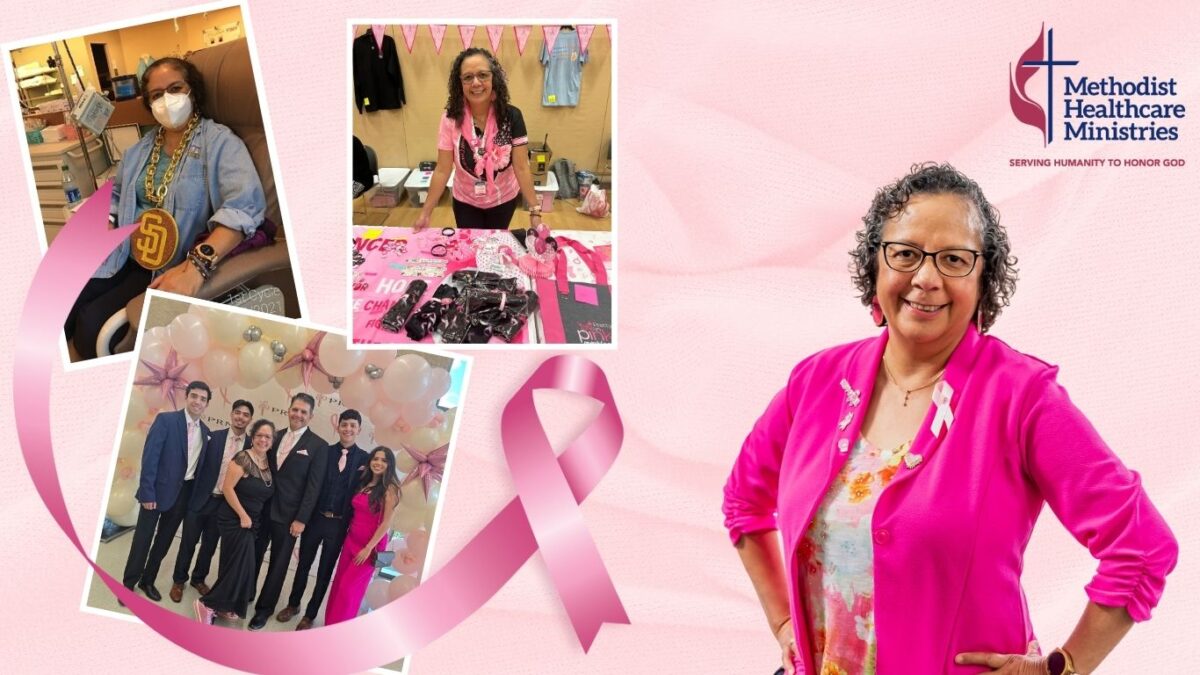
A cancer diagnosis can feel like a life sentence, but for Sandra Moreno it has become her life’s purpose. Moreno is a Case Manager II, with Methodist Healthcare Ministries of South Texas Inc. – she is also wife, mother, and breast cancer survivor; it’s a path she does not walk alone. Before the end of 2024, more than 300,000 women will likely receive a breast cancer diagnosis. During October, stories of survival and remembrance are shared as part of Breast Cancer Awareness Month. It is also a crucial time to exchange resources and encourage mammograms. Moreno is reflecting on her battle with breast cancer—a journey that led her to discover newfound strength and faith. 

A Familiar Foe 

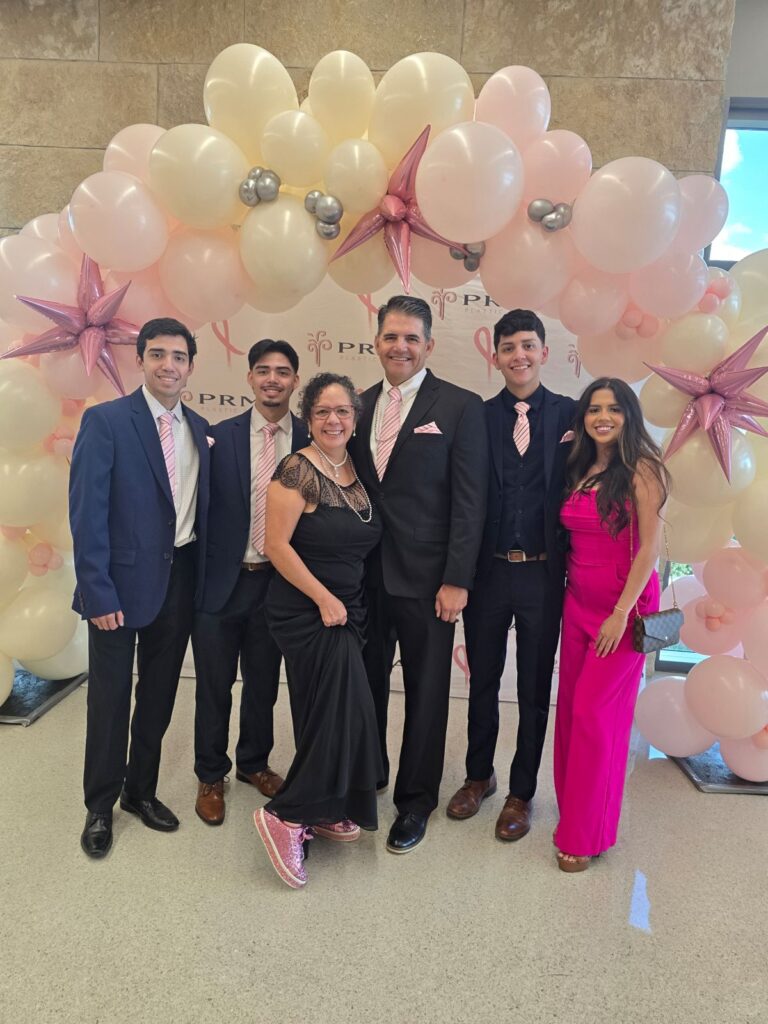
In 2000, Moreno’s father was diagnosed with prostate cancer; her older sister also battled a form of Non-Hodgkin lymphoma, and in 2017 stage 1 breast cancer. Given her family’s medical history, Moreno wanted to know if she could be at risk, “I had tested when my sister was diagnosed and did not meet any of the family genetics at that time.” However, Moreno said cancer “can be silent.” Towards the end of 2020, she began to feel a change in her body. Moreno decided to wait for her annual exam, which was scheduled in May 2021. That appointment led to a mammogram, and biopsy; Moreno later learned she had stage 2 breast cancer. She recalls the phone call that changed her life forever, “One of my triplet sons was with me at home when my doctor called me with the results. It was not an easy call, as he cried on the phone with me. My son held me until my husband came home. We sat and cried, and I still see us in those dark moments of uncertainty.” Although her doctors said her cancer was treatable, she was plagued with emotions and fear of “dying, leaving my family, worry, anger, feeling alone.” 

The Long Journey Ahead 

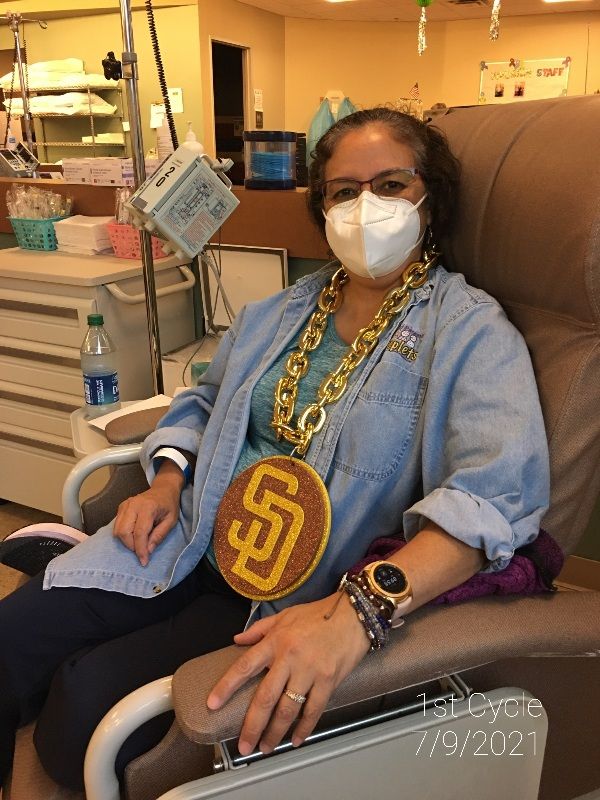
Moreno’s cancer was considered aggressive which meant her treatment would be as well. She required a port and chemotherapy, which took a toll on her body, “I was not able to work long at the office after five days of chemo—the effects were terrible. I was weak, frail, tired, not eating, nauseated and could not be far from the bathroom. Eating was the hardest. Smells made me sick so my family could not cook. I developed chemo rash in my face that was very painful, I could not be in the sun, and these were all effects I could not control.” Although her days were filled with uncertainty she found comfort in her family, neighbors, and MHM team members. Moreno eventually had a double-mastectomy and reconstruction in December of 2021, “I spent six weeks recovering and needed extensive physical therapy. I worked hard every day. My goal was to return to running, as I had been running half marathons for fun.” 

Pain to Purpose  

Her journey to remission was not easy, but she is aware not everyone is able to share their experience, “I have lost so many around me from other cancers; I cry for them.”  Moreno’s outlook on life changed, and so did her purpose. She is part of Methodist Healthcare Ministries’ Refresh Campaign, a fundraising initiative that benefits several organizations. She also leads the efforts for the American Cancer Society, “I have presented to internal departments, met privately with team members, clients, shared my books, information and the will to fight.” She remains thankful for her loved ones and the faith that carried her through, “I had the power of prayers around me. We need to lean on each other, and everyone does it their way.”  

The road to being a cancer survivor is often paved with struggle and heartache. For Moreno, those moments will be etched in her mind forever, “Not too many know of my bad days, how I was sick, how I didn’t want company, how I cried many times.” However, her journey is also filled with strength and perseverance. Moreno hopes to shine a light for others during their dark days, “It is time to show others how much one can do on the other side. They can fight and they can come out stronger.” Moreno is filled with hope, and a stronger sense of faith; she reminds others, “they are not alone.”  

Raíces de Nuestra Gente: Celebrating Hispanic Heritage Month with stories of culture, impact, and inspiration

Culture and tradition often influence beliefs and behaviors within communities.  As connections form over time, so do feelings of support and reinforcement, which can then lead to positive changes. 1 Methodist Healthcare Ministries of South Texas Inc. recognizes the importance of partnering alongside these vibrant communities. As part of Hispanic Heritage Month, Methodist Healthcare Ministries is celebrating diversity across its 74-county service area, including within its own workforce. Several team members are sharing their stories of culture and how it has inspired them to be a part of MHM’s mission in Serving Humanity to Honor God. 

A unique bond to culture and community: 

Courtesy: Cristina Ordonez

Prosperemos Juntos|Thriving Together (PJTT) is a unique program deeply engrained in parts of Bexar County, the Mid-Border region, and the Laredo area.  PJTT is a power-shifting collaborative that engages and supports coalitions to create solutions that improve the health and well-being of their respective communities.2 Cristina Ordonez, PJTT Supervisor, has been with MHM for two years said, “I support the coordinators in our departments as we deepen our work. I also support the coalitions in the communities we serve as they work on upstream efforts through the health equity strategies they identify, develop, and implement.” Ordonez describes the people in these areas as, “loving, resilient, and inspiring”; she also shares in their passion for advocacy and change. At an early age, Ordonez experienced challenges that existed in her own neighborhood, “I grew up on the West Side of San Antonio, in the 78207-zip code, one of the most economically disadvantaged areas in the city. While I witnessed a lot of inequities in our schools, justice system, and even the infrastructure of my neighborhood, I never saw a lack of community.” Ordonez forged connections with people, who inspired her to make a difference, “I was fortunate to meet incredible community organizers and advocates early on, who instilled in me the importance of giving back to my community and being a proud advocate and representative.” 

Paving a path toward inclusion and representation:

Courtesy: Cristina Ordonez

Ordonez credits her Mexican American culture for shaping her work ethic and views on community, “Growing up, I learned the importance of family, solidarity, and mutual support—values that guide how I approach collaboration and problem-solving in my work.” Her upbringing and connection to her culture is an invaluable insight that MHM defines as “lived experience”; personal knowledge about the world gained through direct, first-hand involvement in everyday events. Ordonez said her lived experience has been a source of inspiration and motivation, “My culture has taught me to honor my roots, stay connected to my heritage, and use my experiences to advocate for greater inclusivity and representation. It pushes me to ensure that Latinx voices are heard, and that the richness of our culture is reflected in the work I do, whether through creativity, storytelling, or advocacy.” Ordonez believes Latinx representation is important because it creates a clearer picture of society and the diversity that exists, “When Latinx voices, experiences, and cultures are represented in media, politics, and other spheres, it promotes understanding and breaks down stereotypes. Representation also ensures that the issues and perspectives of the Latinx community are considered in decision-making processes, ultimately contributing to a more equitable and just society for all.” 

Honoring tradition and celebrating connection:

Courtesy: Cristina Ordonez

Ordonez believes it is important to recognize the trailblazers and teachers who have broken barriers, and the impacts that have been made throughout history, “Hispanic Heritage Month is a time to celebrate and honor the rich cultures, histories, and contributions of Latinx communities. It’s an opportunity to reflect on the diverse traditions and experiences that shape the identity of millions of people.” Culture has played a significant role in Ordonez’s everyday life. She values the teachings that were instilled in her at an early age, which have helped her connect with coalitions on a deeper level. She said Hispanic Heritage Month holds a special meaning and serves as a reminder, “For me, it represents pride in cultural roots, a chance to reconnect with the heritage passed down through generations, and a moment to recognize the influence we have had in shaping society. It’s also a reminder of the importance of inclusivity, education, and ongoing efforts to ensure the stories of Latinx individuals are told and celebrated.” 

A strong connection to community and culture can lead to a bigger impact over time. Ordonez’s environment helped to shape her views and inspire her to advocate for others. MHM understands the importance of a workforce that is enriched with diversity and experience. Across its service area, there exist unique challenges and barriers. However, MHM team members like Ordonez hold a deep understanding of the resilience within these communities. Representation is crucial in creating growth, fostering relationships, and creating a stronger foundation within MHM’s workplace and across its service area.  

Raíces de Nuestra Gente: Celebrating Hispanic Heritage Month with stories of culture, impact, and inspiration

Tradition, family, and faith are held sacred within Hispanic and Latino communities. These core values are essential to one’s identity—and ripple across generations. Methodist Healthcare Ministries of South Texas Inc. recognizes the importance of these values within its workforce and across its 74-county service area. Cultural insights play a crucial part in both forging trust with communities and even influencing health behaviors.1 As part of Hispanic Heritage Month, Methodist Healthcare Ministries will feature of some its team members sharing their stories of their heritage contributes to their unique impact and inspiration.  

The Rio Grande Valley (RGV) is a place where culture is deeply rooted. The region is situated along the United States – Mexico border and is made up of several towns and pockets of communities. There are places bustling with business and commerce, while other areas are rural and isolated. Methodist Healthcare Ministries’ Wesley Nurses have an important role in the RGV; their goal is to provide care coordination for uninsured patients, including health education and promotion. As registered nurses, they address mind, body, and spirit in a holistic approach to health. 2 Omar Chavez believes Wesley Nurses go above and beyond for the communities they serve, “The truth is, no words can really paint the picture Wesley Nurses bring to life every day.” Chavez is the Wesley Nurse in McAllen, and he is a constant presence in the area, “We are inside buildings that don’t have AC, or at parks under trees. Sometimes on top of trailers carrying food, water, school supplies, or even clothes.”  

Between 2010 and 2019, the Hispanic population grew by 10.6 percent in the RGV; nearing 1.3 million.3  Due to its proximity to the border, there is also a significant number of families with mixed immigration status; children may have a U.S. citizenship, but their parents may not. Spanish is a first or second language for most; Chavez believes speaking both languages alongside cultural insight allows for deeper connections to form, “My culture has influenced my work by providing me with the knowledge of the language, food, the lingo, the festivities, and the common familial battles. It allows me to share the same jokes. It allows for mutual compassion. Mutual empathy. And often, mutual tears.” He describes people within communities as “survivalists” and “strategists”, who are dedicated to improving the lives of the next generation, “Every community has numerous characteristics in common, but the one that remains as a pillar, is sacrifice. Fathers and mothers doing everything possible to provide their children with the necessities to survive. Once they have secured the necessities to survive, then they can turn their attention to anything else.”  

Chavez has been a Wesley Nurse for over seven years and has built a strong rapport with communities. Over time he has found there are often more similarities than differences. “Some of their testimonies are like mine or if not mine, my parents, and through storytelling, I’m able to connect the dots.” He remains thankful for his upbringing, which has influenced the way he lives out Methodist Healthcare Ministries’ mission in “Serving Humanity to Honor God”. Chavez said Hispanic Heritage Month is an opportunity to raise awareness, “When the spotlight is on any specific population, it means people are paying attention. It means people are being informed of information regarding that population that may not be on the everyday agenda. It means it is a chance to showcase the importance of that population.” Chavez is steadfast in his faith, and believes he is fulfilling a greater calling, “Christ gifted me my heritage. Christ gifted me my culture. Christ gifted me life. Christ placed me here for His Purpose.” 

Hispanic Heritage Month is celebrated for a variety of reasons. While it is an opportunity to spotlight the important strides and contributions that have been made, it is also a time to reflect on the values that have influenced the work and lives of many. Chavez credits his own connection to culture and faith, which have helped in his line of work. By holding these values close, Chavez has been able to strengthen trust within the communities he serves. These bonds are crucial across of all levels of Methodist Healthcare Ministries’ service area as they lead to cultural insights that lead to a deeper understanding and create a greater impact across South Texas. 

White close icon

Jaime Wesoloski

President & Chief Executive Officer

Jaime Wesolowski is the President and Chief Executive Officer at Methodist Healthcare Ministries. A healthcare executive with three decades of leadership experience, Jaime is responsible for the overall governance and direction of Methodist Healthcare Ministries. Jaime earned his Master’s Degree in Healthcare Administration from Xavier University, and his Bachelor’s of Science from Indiana University in Healthcare Administration. As a cancer survivor, Jaime is a staunch supporter of the American Cancer Society. He serves as Chair of the American Cancer Society’s South Texas Area board of directors and he was appointed as Chair to the recently created South Region Advisory Cabinet, covering eight states from Arizona through Alabama. Jaime believes his personal experience as a cancer survivor has given him more defined insight and compassion to the physical, emotional, and spiritual needs of patients and their families.