Yumlish Named Winner of Inaugural Community Health Accelerator Demo Day
Startup to Pilot Diabetes Prevention Platform Through Methodist Healthcare Ministries.
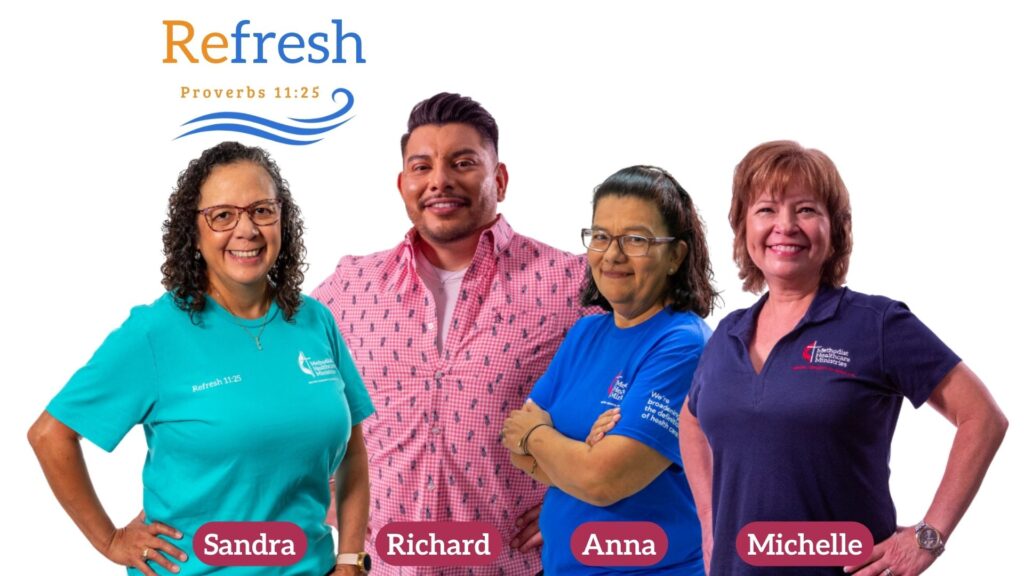
Culture and tradition often influence beliefs and behaviors within communities. As connections form over time, so do feelings of support and reinforcement, which can then lead to positive changes. 1 Methodist Healthcare Ministries of South Texas Inc. recognizes the importance of partnering alongside these vibrant communities. As part of Hispanic Heritage Month, Methodist Healthcare Ministries is celebrating diversity across its 74-county service area, including within its own workforce. Several team members are sharing their stories of culture and how it has inspired them to be a part of MHM’s mission in Serving Humanity to Honor God.
A unique bond to culture and community:

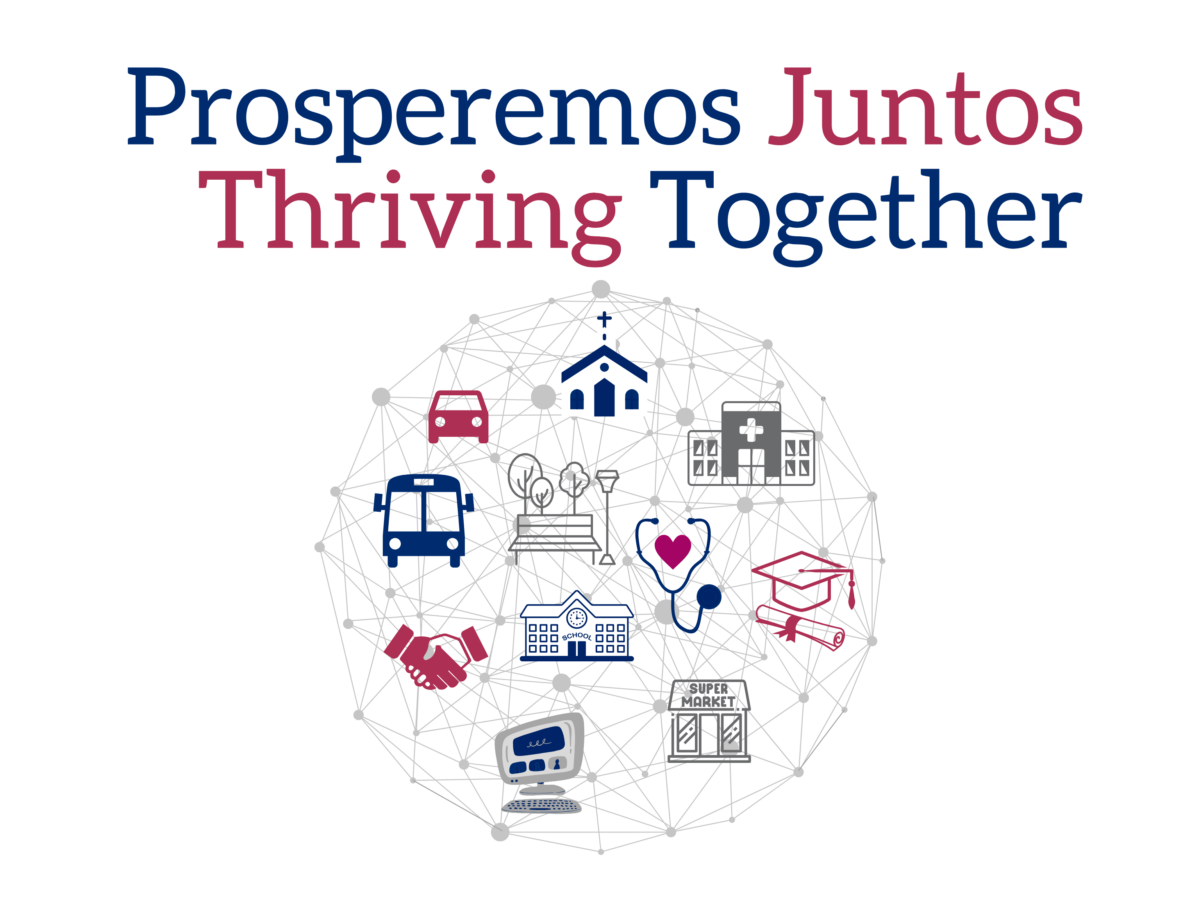
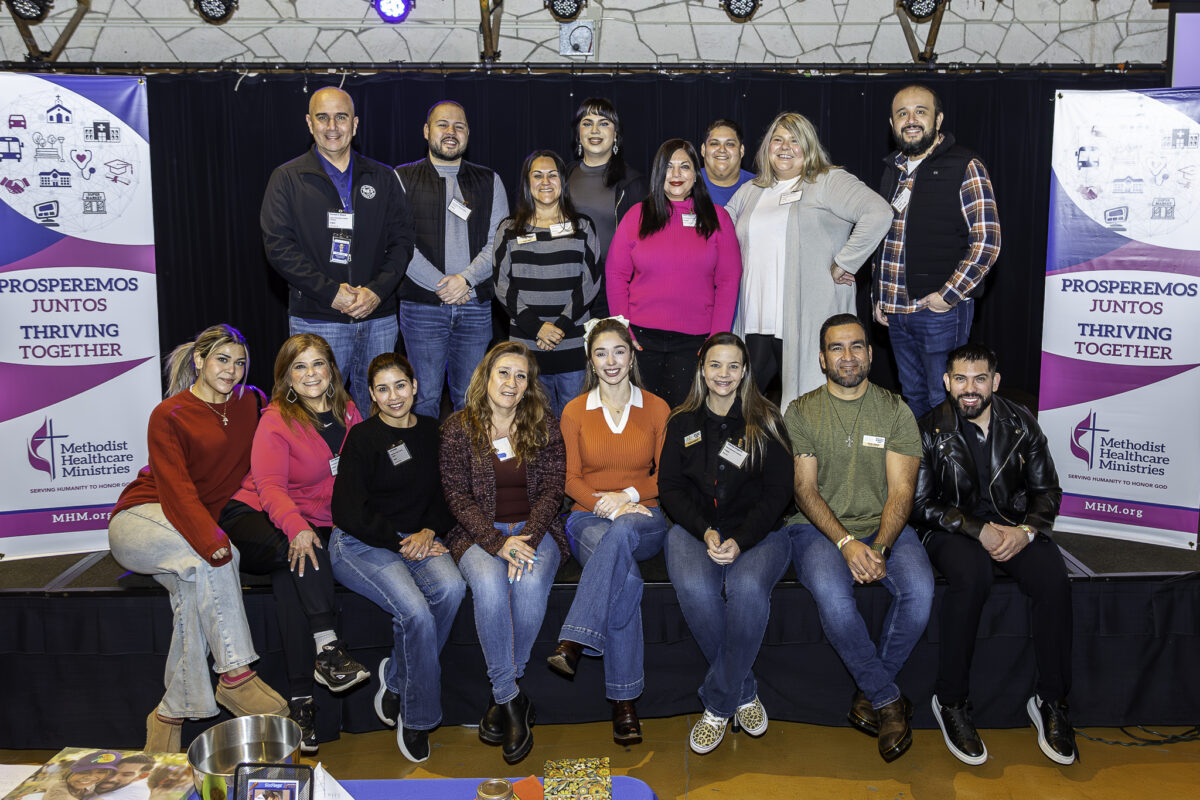
Prosperemos Juntos|Thriving Together (PJTT) is a unique program deeply engrained in parts of Bexar County, the Mid-Border region, and the Laredo area. PJTT is a power-shifting collaborative that engages and supports coalitions to create solutions that improve the health and well-being of their respective communities.2 Cristina Ordonez, PJTT Supervisor, has been with MHM for two years said, “I support the coordinators in our departments as we deepen our work. I also support the coalitions in the communities we serve as they work on upstream efforts through the health equity strategies they identify, develop, and implement.” Ordonez describes the people in these areas as, “loving, resilient, and inspiring”; she also shares in their passion for advocacy and change. At an early age, Ordonez experienced challenges that existed in her own neighborhood, “I grew up on the West Side of San Antonio, in the 78207-zip code, one of the most economically disadvantaged areas in the city. While I witnessed a lot of inequities in our schools, justice system, and even the infrastructure of my neighborhood, I never saw a lack of community.” Ordonez forged connections with people, who inspired her to make a difference, “I was fortunate to meet incredible community organizers and advocates early on, who instilled in me the importance of giving back to my community and being a proud advocate and representative.”
Paving a path toward inclusion and representation:

Ordonez credits her Mexican American culture for shaping her work ethic and views on community, “Growing up, I learned the importance of family, solidarity, and mutual support—values that guide how I approach collaboration and problem-solving in my work.” Her upbringing and connection to her culture is an invaluable insight that MHM defines as “lived experience”; personal knowledge about the world gained through direct, first-hand involvement in everyday events. Ordonez said her lived experience has been a source of inspiration and motivation, “My culture has taught me to honor my roots, stay connected to my heritage, and use my experiences to advocate for greater inclusivity and representation. It pushes me to ensure that Latinx voices are heard, and that the richness of our culture is reflected in the work I do, whether through creativity, storytelling, or advocacy.” Ordonez believes Latinx representation is important because it creates a clearer picture of society and the diversity that exists, “When Latinx voices, experiences, and cultures are represented in media, politics, and other spheres, it promotes understanding and breaks down stereotypes. Representation also ensures that the issues and perspectives of the Latinx community are considered in decision-making processes, ultimately contributing to a more equitable and just society for all.”
Honoring tradition and celebrating connection:

Ordonez believes it is important to recognize the trailblazers and teachers who have broken barriers, and the impacts that have been made throughout history, “Hispanic Heritage Month is a time to celebrate and honor the rich cultures, histories, and contributions of Latinx communities. It’s an opportunity to reflect on the diverse traditions and experiences that shape the identity of millions of people.” Culture has played a significant role in Ordonez’s everyday life. She values the teachings that were instilled in her at an early age, which have helped her connect with coalitions on a deeper level. She said Hispanic Heritage Month holds a special meaning and serves as a reminder, “For me, it represents pride in cultural roots, a chance to reconnect with the heritage passed down through generations, and a moment to recognize the influence we have had in shaping society. It’s also a reminder of the importance of inclusivity, education, and ongoing efforts to ensure the stories of Latinx individuals are told and celebrated.”
A strong connection to community and culture can lead to a bigger impact over time. Ordonez’s environment helped to shape her views and inspire her to advocate for others. MHM understands the importance of a workforce that is enriched with diversity and experience. Across its service area, there exist unique challenges and barriers. However, MHM team members like Ordonez hold a deep understanding of the resilience within these communities. Representation is crucial in creating growth, fostering relationships, and creating a stronger foundation within MHM’s workplace and across its service area.
Tradition, family, and faith are held sacred within Hispanic and Latino communities. These core values are essential to one’s identity—and ripple across generations. Methodist Healthcare Ministries of South Texas Inc. recognizes the importance of these values within its workforce and across its 74-county service area. Cultural insights play a crucial part in both forging trust with communities and even influencing health behaviors.1 As part of Hispanic Heritage Month, Methodist Healthcare Ministries will feature of some its team members sharing their stories of their heritage contributes to their unique impact and inspiration.

The Rio Grande Valley (RGV) is a place where culture is deeply rooted. The region is situated along the United States – Mexico border and is made up of several towns and pockets of communities. There are places bustling with business and commerce, while other areas are rural and isolated. Methodist Healthcare Ministries’ Wesley Nurses have an important role in the RGV; their goal is to provide care coordination for uninsured patients, including health education and promotion. As registered nurses, they address mind, body, and spirit in a holistic approach to health. 2 Omar Chavez believes Wesley Nurses go above and beyond for the communities they serve, “The truth is, no words can really paint the picture Wesley Nurses bring to life every day.” Chavez is the Wesley Nurse in McAllen, and he is a constant presence in the area, “We are inside buildings that don’t have AC, or at parks under trees. Sometimes on top of trailers carrying food, water, school supplies, or even clothes.”

Between 2010 and 2019, the Hispanic population grew by 10.6 percent in the RGV; nearing 1.3 million.3 Due to its proximity to the border, there is also a significant number of families with mixed immigration status; children may have a U.S. citizenship, but their parents may not. Spanish is a first or second language for most; Chavez believes speaking both languages alongside cultural insight allows for deeper connections to form, “My culture has influenced my work by providing me with the knowledge of the language, food, the lingo, the festivities, and the common familial battles. It allows me to share the same jokes. It allows for mutual compassion. Mutual empathy. And often, mutual tears.” He describes people within communities as “survivalists” and “strategists”, who are dedicated to improving the lives of the next generation, “Every community has numerous characteristics in common, but the one that remains as a pillar, is sacrifice. Fathers and mothers doing everything possible to provide their children with the necessities to survive. Once they have secured the necessities to survive, then they can turn their attention to anything else.”

Chavez has been a Wesley Nurse for over seven years and has built a strong rapport with communities. Over time he has found there are often more similarities than differences. “Some of their testimonies are like mine or if not mine, my parents, and through storytelling, I’m able to connect the dots.” He remains thankful for his upbringing, which has influenced the way he lives out Methodist Healthcare Ministries’ mission in “Serving Humanity to Honor God”. Chavez said Hispanic Heritage Month is an opportunity to raise awareness, “When the spotlight is on any specific population, it means people are paying attention. It means people are being informed of information regarding that population that may not be on the everyday agenda. It means it is a chance to showcase the importance of that population.” Chavez is steadfast in his faith, and believes he is fulfilling a greater calling, “Christ gifted me my heritage. Christ gifted me my culture. Christ gifted me life. Christ placed me here for His Purpose.”
Hispanic Heritage Month is celebrated for a variety of reasons. While it is an opportunity to spotlight the important strides and contributions that have been made, it is also a time to reflect on the values that have influenced the work and lives of many. Chavez credits his own connection to culture and faith, which have helped in his line of work. By holding these values close, Chavez has been able to strengthen trust within the communities he serves. These bonds are crucial across of all levels of Methodist Healthcare Ministries’ service area as they lead to cultural insights that lead to a deeper understanding and create a greater impact across South Texas.
Celebrating Hispanic Heritage Month with stories of culture, impact, and inspiration. Roots of Mi Genie: Jo Ann Diaz Jordan
There is a proud display of culture in South Texas, however there are often generational teachings that contribute to stigma and shame surrounding mental health. Despite the inherent challenges, campaigns of awareness are illuminating the path to peace and the work that still needs to be done.
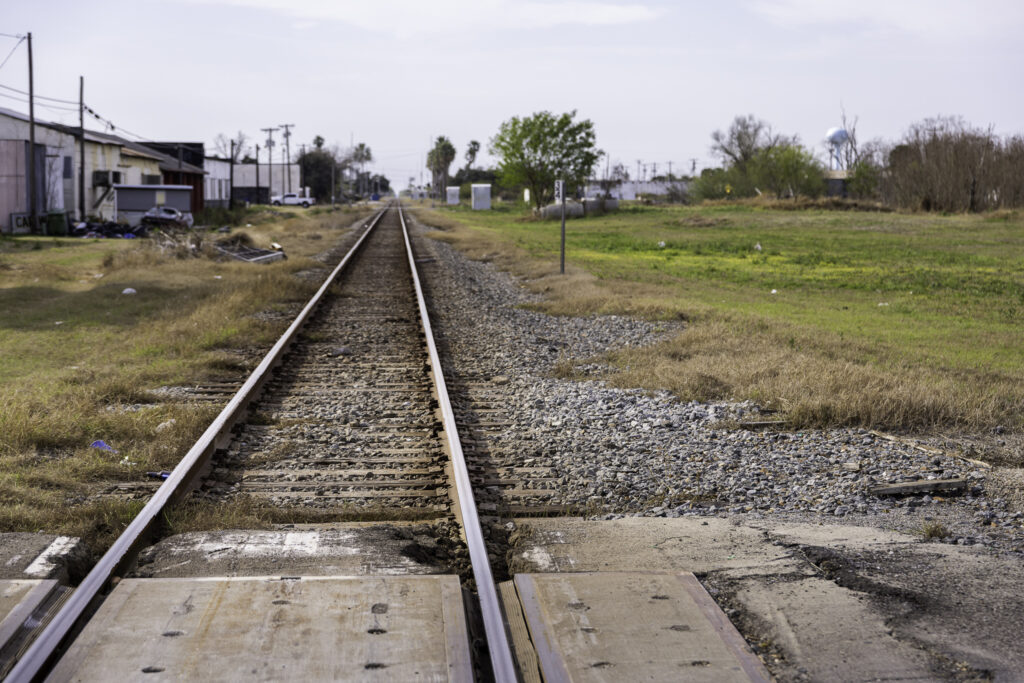
The Rio Grande Valley is a vibrant hub of US-Mexico hospitality. The distinct foods, rich bi-national culture, and remarkable people create an inviting atmosphere where residents and travelers alike feel at home. Towering palm trees span the terrain between Raymondville to Rio Grande City; painting a picture-perfect view across the four counties that comprise the region. However, behind its tropical setting and charming communities, there is a different picture of the Rio Grande Valley some may not always see.

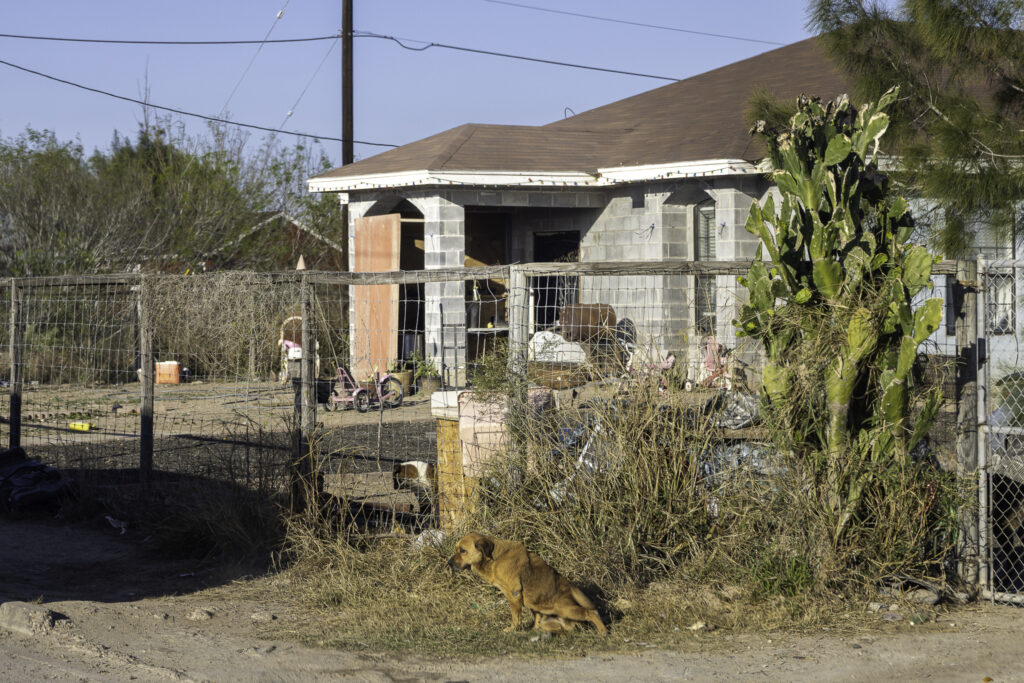
Isolated from nearby towns are rural subdivisions referred to as ‘colonias;’ found throughout unincorporated areas along the Texas-Mexico border. Colonias are home to families with mixed immigration status; children may have a United States citizenship, but their parents may not. While their homes vary in size and appearance, families who live in colonias experience similar challenges. A history of insufficient infrastructure and investment have created barriers that impact health and well-being across a variety of conditions. Deteriorating roads make transportation difficult and sometimes impossible. There is a perpetual concern over life-threatening flooding due to a lack of proper drainage systems. As night falls, most colonias are left in the dark with no streetlights to illuminate the area. The lack of adequate living conditions, medical insurance, and nearby healthcare facilities have contributed to further disparities and years of health inequities. Over the years, the number of colonias has grown, especially near border communities like the Rio Grande Valley. As these problems persist, national organizations like Grantmakers in Health are focusing their attention on the resilient people living there.
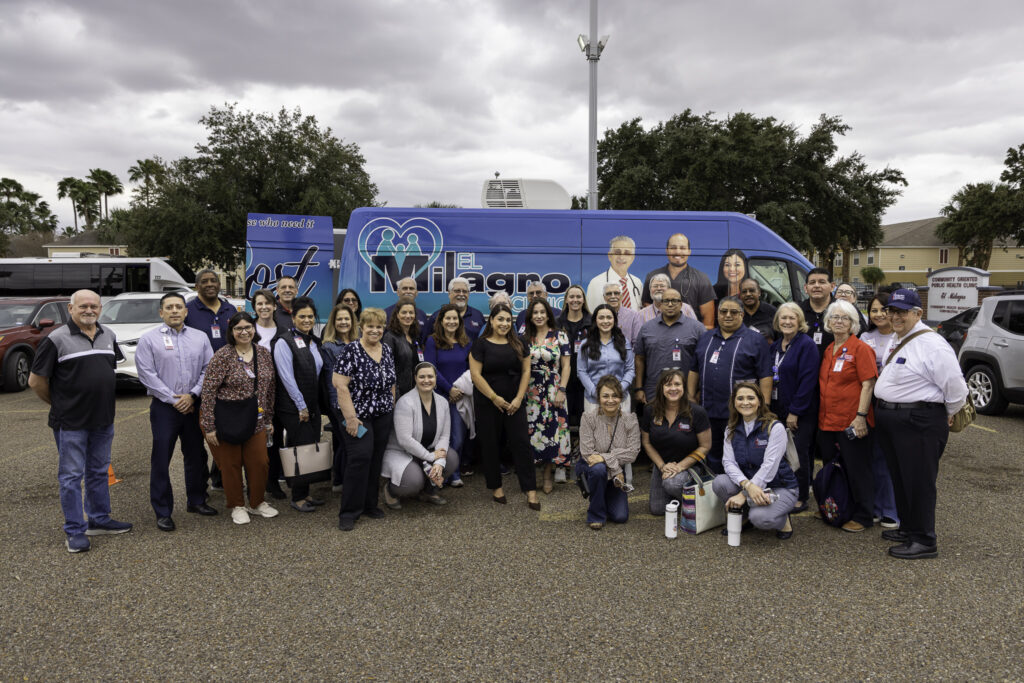
For more than 40 years, the nonprofit organization has been an arm of support to health funders across the country; including Methodist Healthcare Ministries of South Texas, Inc. This partnership of philanthropy creates access to a plethora of educational resources; including a network of organizations that fund programs improving the health of all people. The Board of Directors for Grantmakers In Health (GIH), travels to different regions across the country annually to gain insight on key issues affecting communities and cultures; they also meet with different organizations and learn about available tools, resources, and share best practices. Oanh Maroney-Omitade—Vice-President for Organizational Excellence at Methodist Healthcare Ministries and GIH board member explained, “for this year’s retreat the GIH Board was interested in seeing and learning first-hand more about the unique healthcare situations and solutions along the US-Mexico Border as it has been a prime topic in news and politics”. This prompted the most recent trip to the Rio Grande Valley which included visits to colonias.

Some of Methodist Healthcare Ministries’ executive team joined GIH board members on their trip, which began with a stop at the Museum of South Texas History, in Edinburg. Dotted with designs of Spanish-tile and wrought-iron sculptures from local artists; the museum offers a curated picture into the past, with exhibitions and historical artifacts showcased across its campus. Francisco Guajardo, Ph.D. is the museum’s Chief Executive Officer; he welcomed the group and enlightened them with rich stories and facts emblematic of South Texas history and culture. Along with fellow partners, the Knapp Community Care Foundation and the Valley Baptist Legacy Foundation; Methodist Healthcare Ministries invited local funded partners to meet with GIH board members. The museum’s hospitality extended into the early evening as thoughts and strategies were exchanged amongst groups. Jennifer Knoulton, Vice President for Community Health & Wellness for Methodist Healthcare Ministries said about the gathering, “We need to challenge, strengthen, and learn from one another – fostering that level of relationship takes time and intention”.

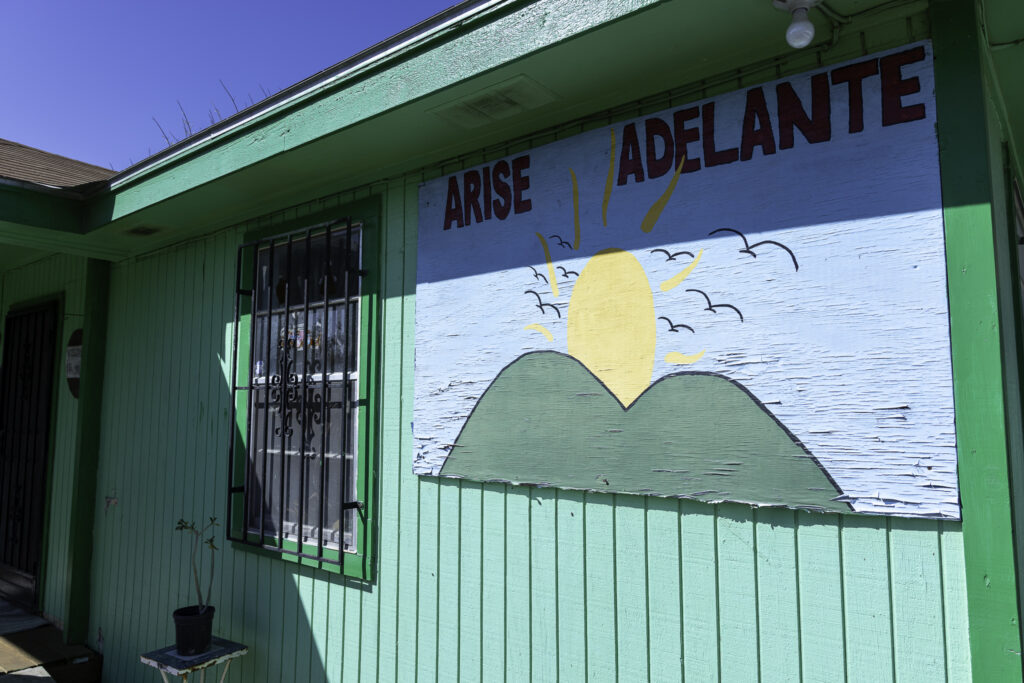
As the trip rippled into the next morning, the visiting representatives traveled to the town of San Juan to meet with staff members from La Unión del Pueblo Entero, otherwise known as LUPE. Murals are seen throughout the property, illustrating a journey from oppression to liberation. The organization’s roots were planted by labor rights activist, César Chávez and Dolores Huerta in 1989 with a shared vision of people working together to impact change. Since then, LUPE has grown in their mission to assist working-class and immigrant families; especially those who reside in colonias. LUPE’s Executive Director, Tania A. Chavez Camacho explained how the organization assists people through social services and English classes and extends to fighting deportation and pushing for adequate streetlights and drainage systems in colonias, but the problems remain; something the GIH group was able to witness firsthand.

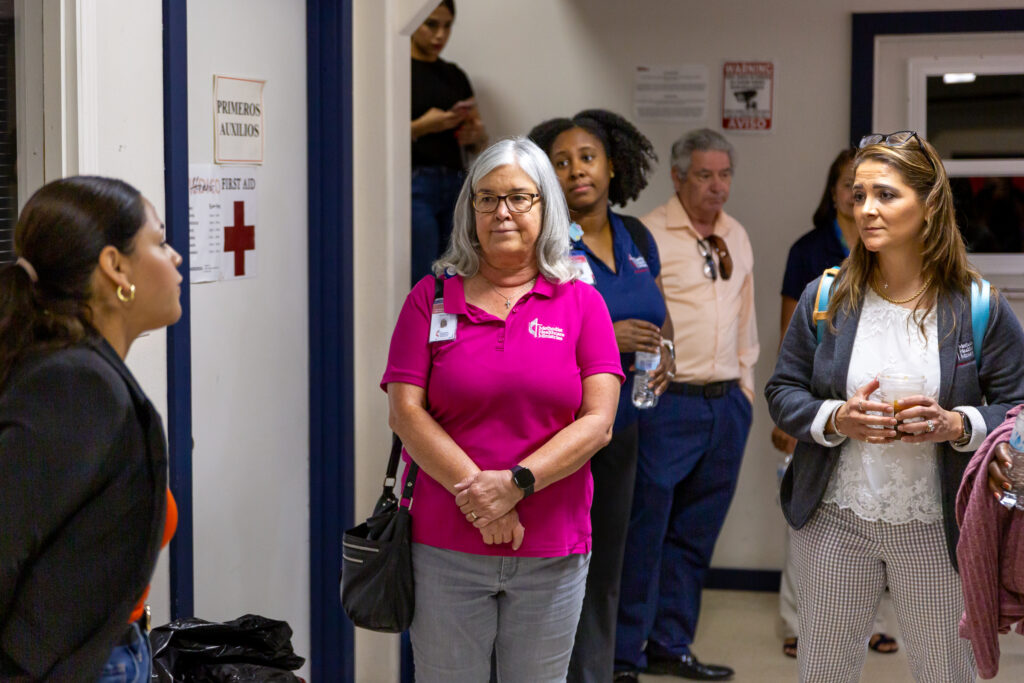
LUPE staff invited them to tour nearby colonias; the path took them off major highways and onto rural roads not often travelled. In the small town of Donna, make-shift signs point to a way of life for colonia residents. There are no nearby grocery chains or restaurants in sight; instead, a local business simply called ‘The Little Store,’ was bustling with customers getting their breakfast tacos and items for the day. As the group arrived, they were welcomed with warm smiles and curious onlookers outside the Little Store. As the crowd convened around a set of picnic tables, the staff from LUPE introduced a group of women who live within the colonia. They spoke in Spanish and opened up about their day-to-day lives and the hardships they have endured due to the poor conditions outside their doors. One woman pointed to the countless stray dogs roaming the streets and expressed concern over the growing population. Another woman shared her frustration over the lack of nearby parks or playgrounds, and the limitations it creates for children eager to play. Cracks and craters can be found around every corner of the gravel; it is a regular problem for the colonia, but residents are worried it has become a barrier for emergency vehicles. Through local testimonies the GIH group gained a deeper understanding not only of the obstacles colonia residents experience, but of their welcoming and resilient spirits.
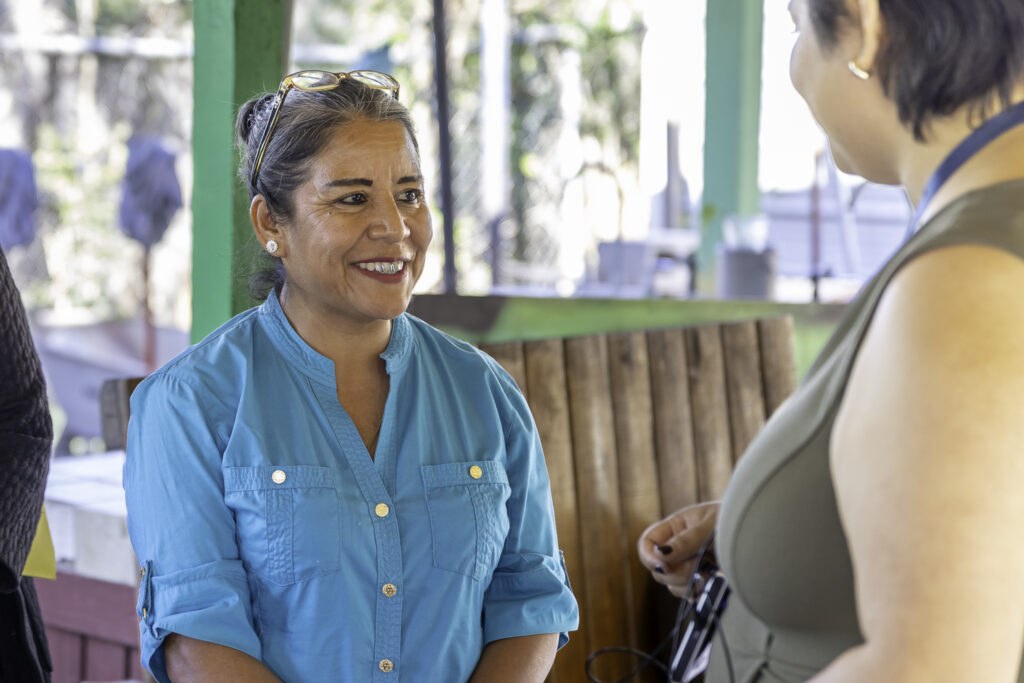
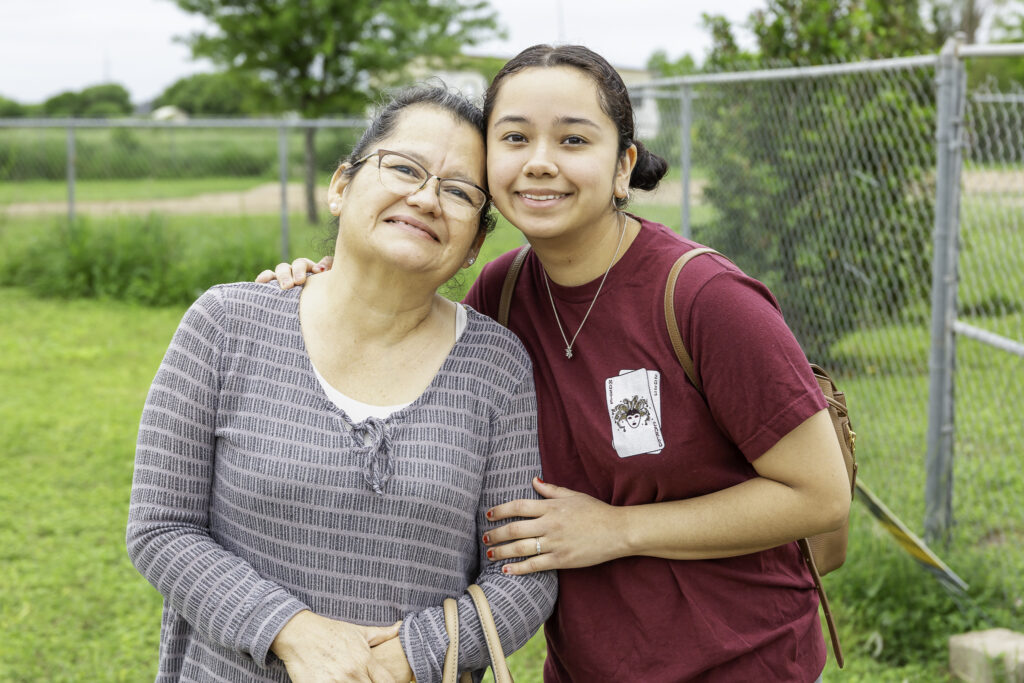
The next colonia was just outside the city of Alamo. A muddied road laid out the path to the next destination; a home that sat at the curb of the colonia. The gate to the chain-linked fence was open and a group of colonia residents and LUPE staff welcomed the visitors onto the property. They gathered under a small canopy and were introduced to the homeowner along with her son. She spoke of the obstacles experienced within her community; something the group had become more familiar with during their trip. Despite the living conditions, she maintained a sense of pride in her home. As any good host would, she prepared refreshments for her guests in anticipation of their arrival. The group was also introduced to a young woman and learned of her plans to pursue a college degree, and her mother, whose overwhelming joy brought her to tears. The camaraderie of the colonia was evident as they shared in each other’s hardships, happiness, and dreams for a better future. “What stands out to me is that colonia residents are not in a situation where they need or want someone to ‘save them’. There is pride of place, of homeownership, and these tax-paying community members want spaces where their voices are heard and acted on. The generosity is astounding, and focusing on their unique strengths and assets is essential in addressing the structural barriers within colonias”, said Knoulton.

Following the tour, the GIH group departed to their respective areas of the country, carrying newfound knowledge and shared experiences. The insights they gained helped to shed light on different perspectives, from people living within colonias. The investment into learning about the Rio Grande Valley will serve GIH in their mission, and benefit communities faced with similar challenges. Methodist Healthcare Ministries is thankful for its valuable partners and their work toward healthier communities. The bonds created during the GIH tour will continue to strengthen as the path toward health equity is paved forward.
The Rio Grande Valley is booming in business and commerce, with no signs of slowing down. For colonia residents, they are a critical part of that economic and communal fabric of hospitality and culture that makes the RGV so unique. Yet, more work lies ahead for health care funders like GIH and community advocates to address the systemic inequities that persist. Each day, colonia residents are met with a unique set of adversities because of where they live and the scarcity of resources. The focus and support from philanthropic organizations is crucial to these communities striving for change. However, colonia residents continue to navigate through the barriers and bridge opportunities that allow them to amplify their voices. Now, it’s time for the listening to turn into deepened layers of support that allow colonia residents to flourish and thrive.