

Who Counts? And What Happens When We Leave People Out?
Every community is made up of people who contribute to the places they call home. They raise families, run businesses, work, pay taxes, volunteer, and build relationships with their neighbors.
Every ten years, the U.S. Census provides a critical snapshot of our communities. But proposed changes to the 2030 Census raise a fundamental question: Will everyone be counted and represented in that picture?
The Census has been part of our democracy since 1790, helping determine how communities are represented in Congress. Census information also helps us understand how communities are changing and inform decisions about resources and services.
The U.S. Census Bureau is proposing two significant changes:

- Excluding certain noncitizens who are not lawful, permanent residents from the population count used to determine congressional representation.

- Removing race and ethnicity questions from the Decennial Census questionnaire.
Supporters argue that these changes would help focus the Census on its constitutional purpose, simplify the questionnaire, and reduce the burden on respondents. Those are important considerations.
But the proposals also raise questions about how accurately our communities are represented and how much information we have to understand them.
A Count is a Map of Our Communities
Think of the Census as a map of your community. It helps us understand how many people live there, where populations are growing, and how communities are changing.
But what happens when that map does not accurately reflect everyone?
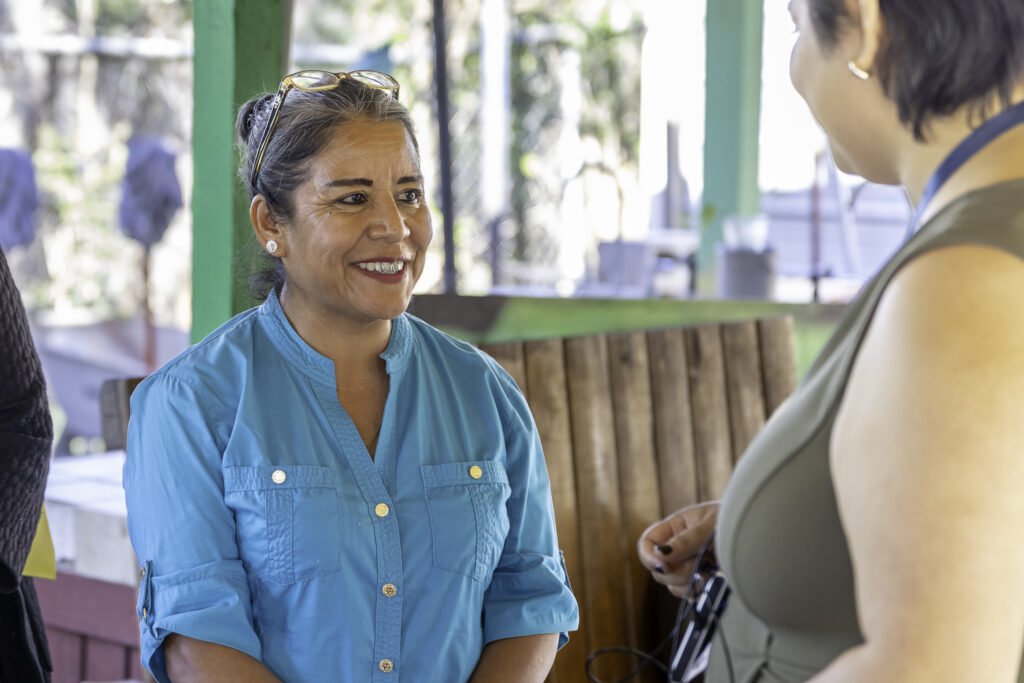
People do not disappear because we leave them out of a population count. They are still our neighbors. Their children still attend local schools. They travel the same roads, seek health care, pay taxes, and contribute to the communities and economies where they live.
At Methodist Healthcare Ministries of South Texas, Inc. (MHM), we work alongside communities across 74 counties. We know that understanding who lives in our communities, and the challenges they face, is essential to making thoughtful decisions.
Where are families struggling to access nutritious food? Where is transportation a barrier to health care? Which communities are growing, and what services will they need?
Good data helps us answer these questions, identify gaps, and make better use of limited resources.
What We Don’t Measure Becomes Harder to Understand
The proposed removal of race and ethnicity questions raises a different concern.
Understanding health and access to care requires more than knowing how many people live in a community. We also need to understand where disparities exist and who may be facing greater barriers.
Race and ethnicity data help us identify differences in health outcomes, understand where services may not be reaching everyone, and evaluate whether our efforts are making a difference.
While other surveys would continue collecting this information, removing these questions from the Decennial Census would mean losing one important source of data about our communities. When we lose information that helps us see disparities, those disparities do not disappear. They simply become harder to see and address.
Different Perspectives, A Shared Responsibility
We can disagree about immigration policy, government spending, and the role of government. Those debates belong in our democracy, and people can hold different views for legitimate reasons. Regardless of where we stand on those issues, we all benefit from reliable and accurate information about the communities where we live.
At MHM, our mission is to serve humanity to honor God, and our vision calls us to lead in improving the wellness of the least served. That work begins with understanding the people and places we serve. That is why we submitted public comments expressing concerns about the proposed changes to the 2030 Census. Read our comments and submit your comments at Regulations.gov.
We encourage others to learn about the proposal, consider what it could mean for their communities, and share their perspectives. The public comment period is open through November 2, 2026.
An accurate Census helps us see our communities as they are, with all the people who call them home.
To view comments from Methodist Healthcare Ministries of South Texas, Inc., on the U.S. Census Bureau’s Proposed Rule on the Decennial Census, click here.
