Grantee Spotlight: Friendship of Women Creating Pathways to Safety, Healing and Hope 
For more than 30 years, Methodist Healthcare Ministries of South Texas, Inc. (MHM) has worked to create and sustain healthy communities across its 74-county service area. In 2026, MHM allocated $64.5 million to more than 195 nonprofit organizations and municipalities, including $32.6 million in new grants through an open cycle launched in 2023. This investment reflects MHM’s commitment to supporting thriving people and places by addressing vital conditions, the essential properties and environments everyone needs to reach their full potential for health and life.  

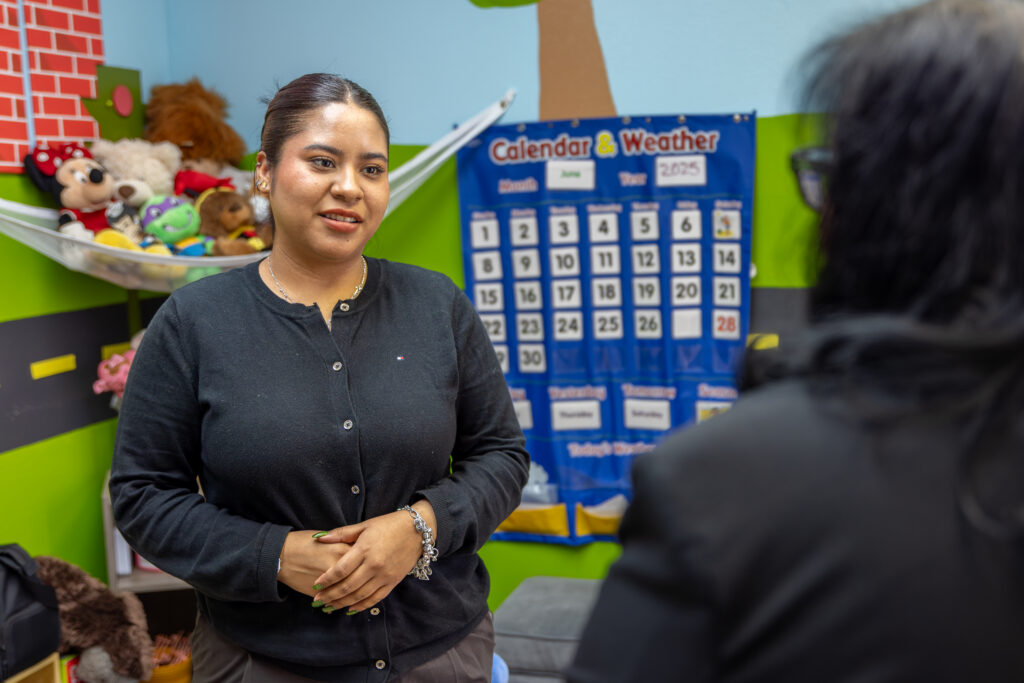
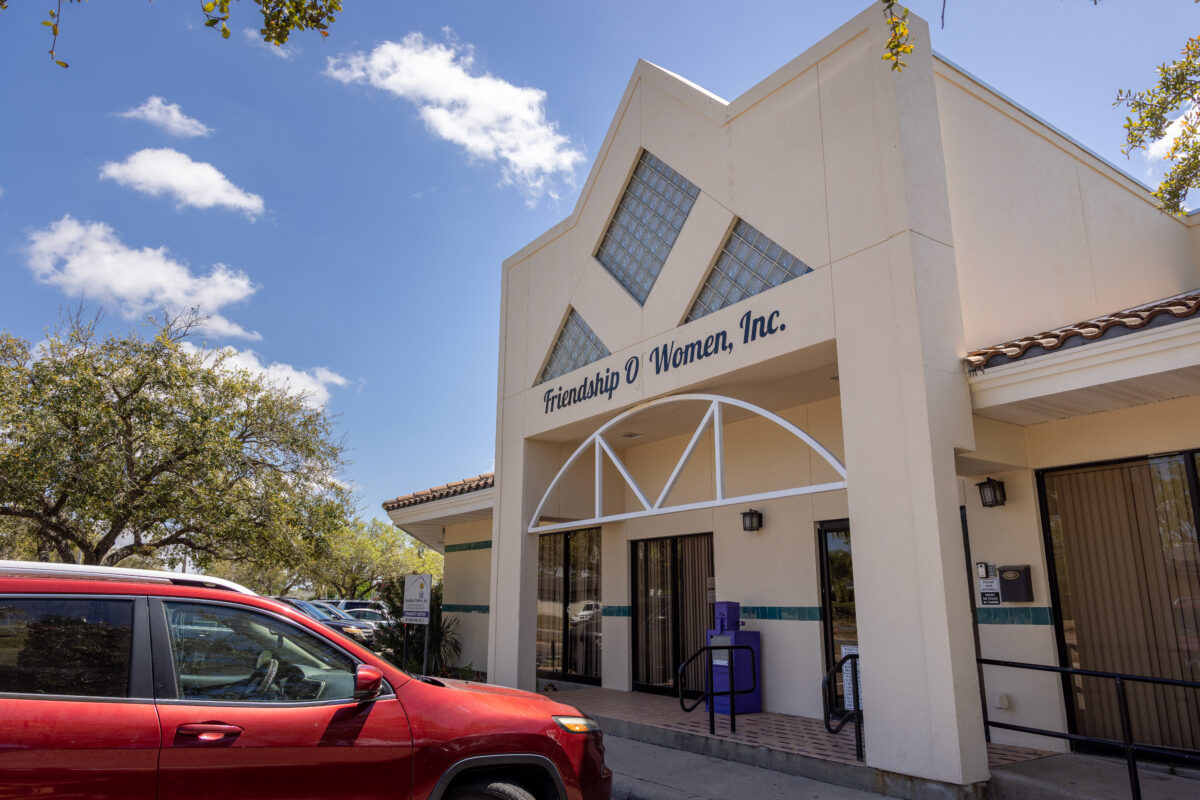
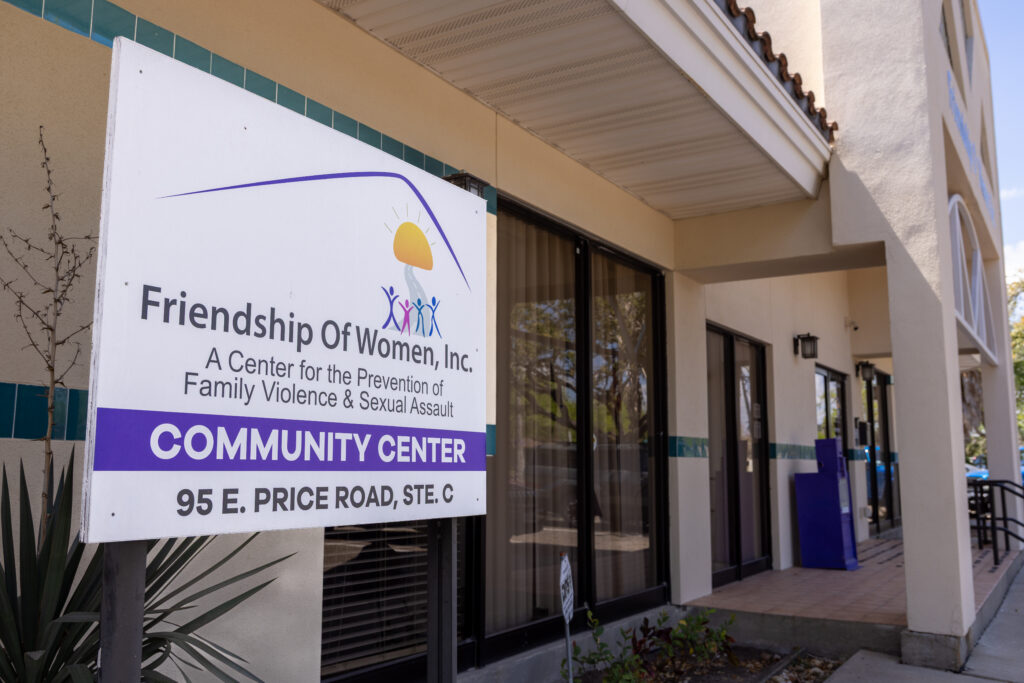
One of those partners is Friendship of Women, Inc. (FOW), based in Brownsville and serving individuals and families throughout Cameron County. A first-time MHM grantee in 2026, FOW received $150,000 to support its mission of providing leadership and comprehensive services that promote safety, healing, and hope for adults and children impacted by family and sexual violence. 

Friendship of Women: Supporting Survivors, Strengthening Communities 

Since 1977, FOW has served as a refuge and trusted source of support for survivors of family violence and sexual assault in Cameron County. What began nearly five decades ago as a community response to an urgent need has grown into a comprehensive network of services to help individuals and families move from crisis to stability. 

Today, the organization provides emergency shelter, advocacy, counseling, legal support, crisis intervention and long-term safety planning. Through these services, survivors are not only able to escape dangerous situations but also begin rebuilding their lives with dignity, confidence, and independence. 

At the center of this work is Executive Director Gloria Ocampo, who oversees the organization’s programs, staff, partnerships, and strategic vision. 

“My role is to make sure our mission is carried out every day through strong operations and meaningful advocacy,” Ocampo said. “Everything we do is focused on helping survivors find safety, healing and the support they need to move forward.” 

For FOW, success is measured not only by the services provided but by the lives transformed through access to safety and support. 

Advancing Health Equity Through Crisis Intervention and Support 

FOW understands that the effects of family and sexual violence extend far beyond immediate physical harm. Violence can impact mental health, housing stability, financial security, educational opportunities and access to healthcare, creating barriers that can affect individuals and families for years. 

Many survivors face significant challenges when seeking help, particularly those navigating language barriers, or those with limited resources or lack of access to healthcare and support services. FOW works to remove those barriers by meeting survivors where they are and offering culturally responsive, trauma-informed services that honor each individual’s experience. 

“Many of the individuals we serve face significant barriers to healthcare, and our team works to bridge those gaps through crisis intervention, counseling, medical accompaniment and connections to community resources that support long-term well-being,” Ocampo said. 

Whether helping a survivor access medical care, navigate the legal system, secure safe housing or connect with community resources, FOW recognizes that safety is foundational to health. 

By addressing the conditions that impact physical, emotional, and social well-being, the organization is helping create pathways toward health equity for some of the community’s most vulnerable residents. 

How MHM’s Grant Is Making a Difference 

MHM’s investment is helping FOW expand access to critical services for survivors throughout Cameron County. 

With support from the grant, the organization expects to reach an additional 250 individuals impacted by domestic violence, ensuring more survivors receive compassionate, trauma-informed care regardless of income, circumstances or ability to pay. 

The funding will strengthen the organization’s capacity to provide crisis intervention, advocacy and supportive services at a time when demand continues to grow. 

“This support allows us to reach more survivors and connect them with the resources they need to achieve safety and stability,” Ocampo said. “It helps ensure that no one has to face these challenges alone.” 

Changing Lives Through Prevention and Advocacy 

While FOW is widely recognized for responding to crisis, the organization’s work extends far beyond emergency intervention. 

Through prevention education, community partnerships, and advocacy efforts, FOW works to address the root causes of violence and create safer, healthier communities. 

Ocampo hopes community members understand that meaningful change requires collective action. 

“We are not only helping people heal after violence occurs,” she said. “We are also working to prevent violence before it happens by educating our community, building partnerships and advocating for systems that better support survivors.” 

She also emphasizes that the organization’s impact is made possible through the compassion, expertise and dedication of its staff. 

“Our team shows up every day with commitment and care for the individuals and families we serve. Their resilience and dedication are what make this work possible.” 

How You Can Help 

FOW encourages community members to get involved by volunteering, advocating for survivors, sharing information about available services, and supporting the organization’s work financially. 

Every action helps strengthen the network of support available to individuals and families experiencing family or sexual violence and expands access to safety, healing and hope throughout Cameron County. 

Together, We Build Stronger Communities 

For nearly five decades, FOW has stood alongside survivors during some of the most difficult moments of their lives, helping them find safety, restore stability, and begin the healing process. 

Through its partnership with MHM, the organization is expanding its reach and ensuring more individuals and families can access the support they need to thrive. 

Together, FOW and MHM are demonstrating that when communities invest in safety, dignity and healing, they create stronger families, healthier communities, and a brighter future for all. 

Grantee Spotlight: Gulf Bend Center –Building Health Equity and Hope in Rural Communities

For more than 30 years, Methodist Healthcare Ministries of South Texas, Inc. (MHM) has worked to create and sustain healthy communities across its 74-county service area. In 2025, MHM allocated $62.5 million to over 185 nonprofit organizations and municipalities, including $35.6 million in new grants through an open cycle launched in 2024. This investment reflects MHM’s commitment to supporting thriving people and places by addressing vital conditions—the essential properties and environments everyone needs to reach their full potential for health and life.
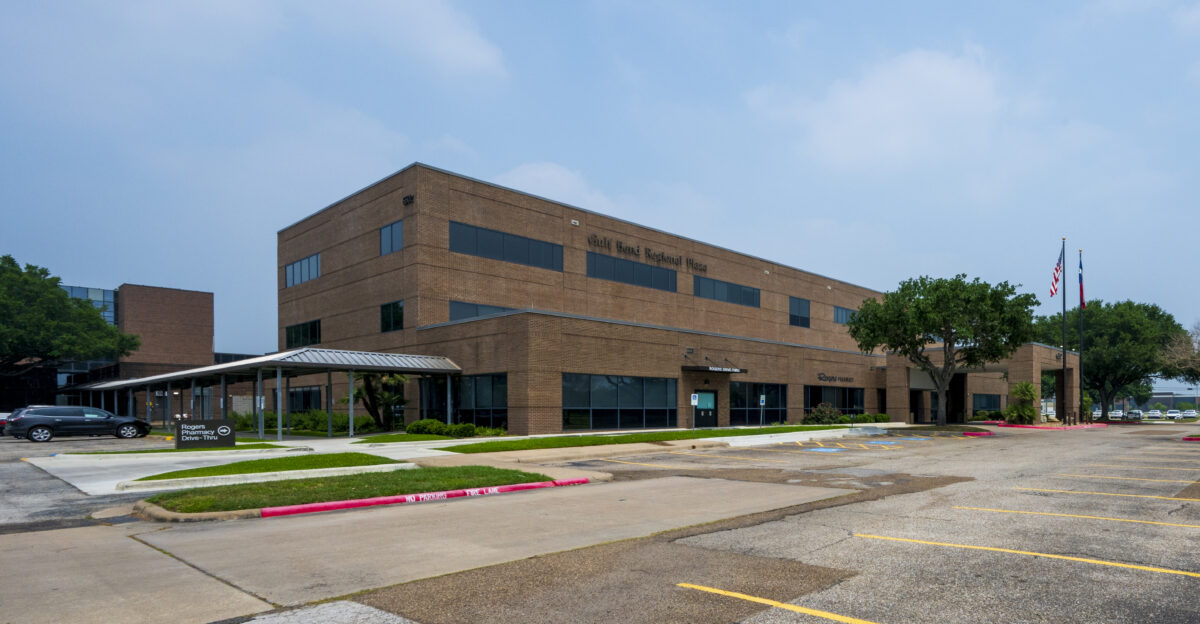
One of those partners is Gulf Bend Center, based in Victoria, Texas. A trusted partner since 2017, Gulf Bend has received more than $2 million from MHM to advance its mission of improving mental health and wellness in rural communities.

Gulf Bend Center: A Trusted Partner in Mental Health

For more than 55 years, the Center has been a cornerstone of mental health and wellness in South Texas. As the Local Mental Health Authority serving seven counties—Calhoun, DeWitt, Goliad, Jackson, Refugio, Lavaca, and Victoria— the Center’s mission is clear: to improve the quality of life in our community for individuals and their families by providing excellent and trusted care for wellness.

The Center’s “No Wrong Door” approach is rooted in its role as a Certified Community Behavioral Health Clinic (CCBHC), ensuring that no one is turned away from care. Regardless of where someone lives or their ability to pay, individuals can access a full continuum of mental health and substance use services. This model removes barriers to care and reflects the Center’s commitment to health equity, ensuring mental health services are accessible to all who need them.

A Full Continuum of Care

Gulf Bend offers a wide range of services to meet individuals where they are—from outpatient clinics and school-based case managers to a crisis response team paired with mental health officers. Their Community Resource Center helps customers apply for benefits and access digital equity resources, addressing critical vital conditions impact mental wellness.

Collaboration is at the heart of Gulf Bend’s work. Through local partnerships and diversion programs, they strengthen rural communities and create pathways to care that prevent crises before they escalate. “At the end of the day, our work is about removing barriers and meeting people where they are,” says Tiffany Seiler, Community Development Coordinator. “When access is built into the system, people are more likely to get help early and stay connected to care.”

How MHM’s Grant Is Making a Difference

The partnership between the Center and MHM is more than financial support—it’s a catalyst for change. With MHM’s funding, the Center has launched and strengthened initiatives that directly impact community health and well-being.

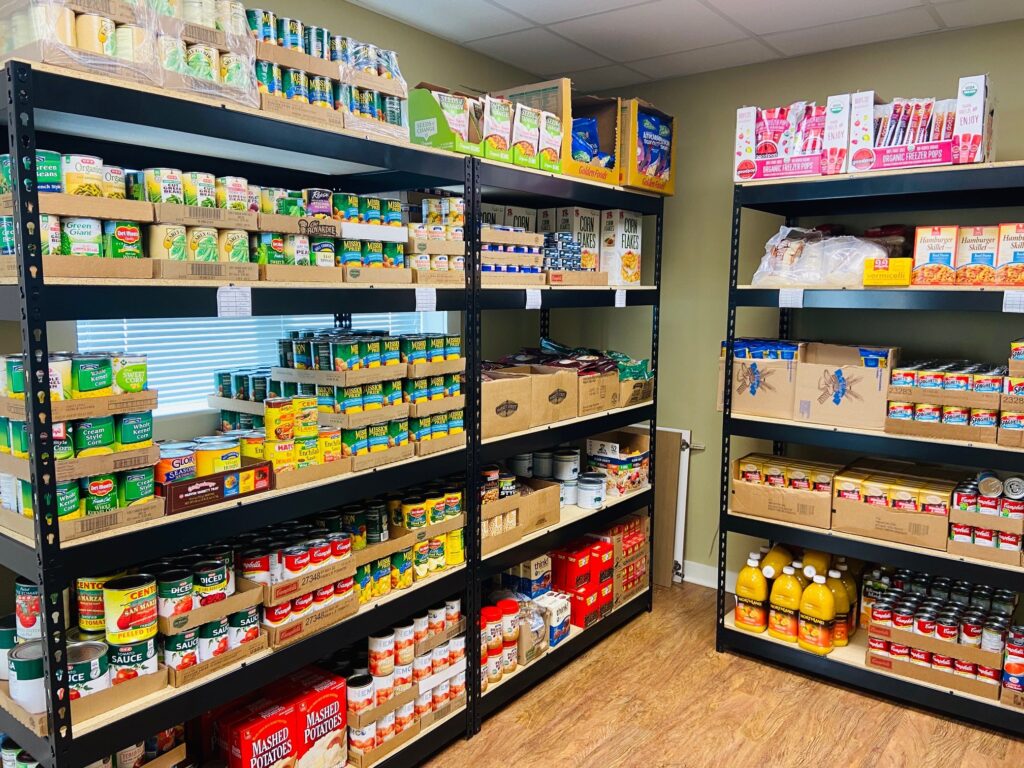
One of the most visible changes is in the food pantry. Traditionally, rural food pantries rely on shelf-stable items high in preservatives and low in nutrition. The Center wanted to rewrite that story. Today, through their partnership with MHM, the Gulf Bend Center’s pantry is stocked with fresh fruits and vegetables, lean meats, eggs, and dairy—providing families with healthy options that nourish both body and mind.

Perhaps most transformative is the Pathway Program, designed for individuals navigating mental health crises. This program offers frequent contact and personalized support, helping clients stabilize and avoid psychiatric hospitalizations. It’s a proactive approach that saves lives and strengthens community resilience—giving people the tools and care they need to move forward.

What You Should Know About Gulf Bend Center

As Jessica Dodds, the Center’s Marketing Specialist, explains:

“People often are not aware of who we are or the services we provide until they are facing a crisis. Our goal is to help the community understand the full scope of our services and the partnerships that make them possible. The Center is a trusted partner, and we are here for everyone.”

How You Can Help

The Center’s impact depends on community support. Start by spreading awareness—talk openly about mental health, share the Center’s story, and help break the stigma that keeps so many from seeking care.

For those who want to take a hands-on role, volunteering is a meaningful way to contribute. Whether it’s assisting with programs or supporting community events, your time and skills make a real difference. Advocacy is another critical piece—by championing mental health initiatives in your own circles, you help create a culture that values wellness and access to care.

Financial support is equally important. Donations allow the Center to sustain and expand essential services, ensuring help is available when and where it’s needed most. And if you’re passionate about education, the Center offers training programs for adults and youth, along with opportunities to speak at local meetings to promote mental health literacy. Every conversation, every action, brings us closer to a healthier, more resilient community.

Together, We Build Strength

In rural areas, resources can be scarce—but Gulf Bend Center proves that together, we have strength. Through collaboration, compassion, and commitment, they are transforming lives and advancing health equity across South Texas.

To learn more about the Center and how you can get involved, please visit gulfbend.org.

White close icon

Jaime Wesoloski

President & Chief Executive Officer

Jaime Wesolowski is the President and Chief Executive Officer at Methodist Healthcare Ministries. A healthcare executive with three decades of leadership experience, Jaime is responsible for the overall governance and direction of Methodist Healthcare Ministries. Jaime earned his Master’s Degree in Healthcare Administration from Xavier University, and his Bachelor’s of Science from Indiana University in Healthcare Administration. As a cancer survivor, Jaime is a staunch supporter of the American Cancer Society. He serves as Chair of the American Cancer Society’s South Texas Area board of directors and he was appointed as Chair to the recently created South Region Advisory Cabinet, covering eight states from Arizona through Alabama. Jaime believes his personal experience as a cancer survivor has given him more defined insight and compassion to the physical, emotional, and spiritual needs of patients and their families.