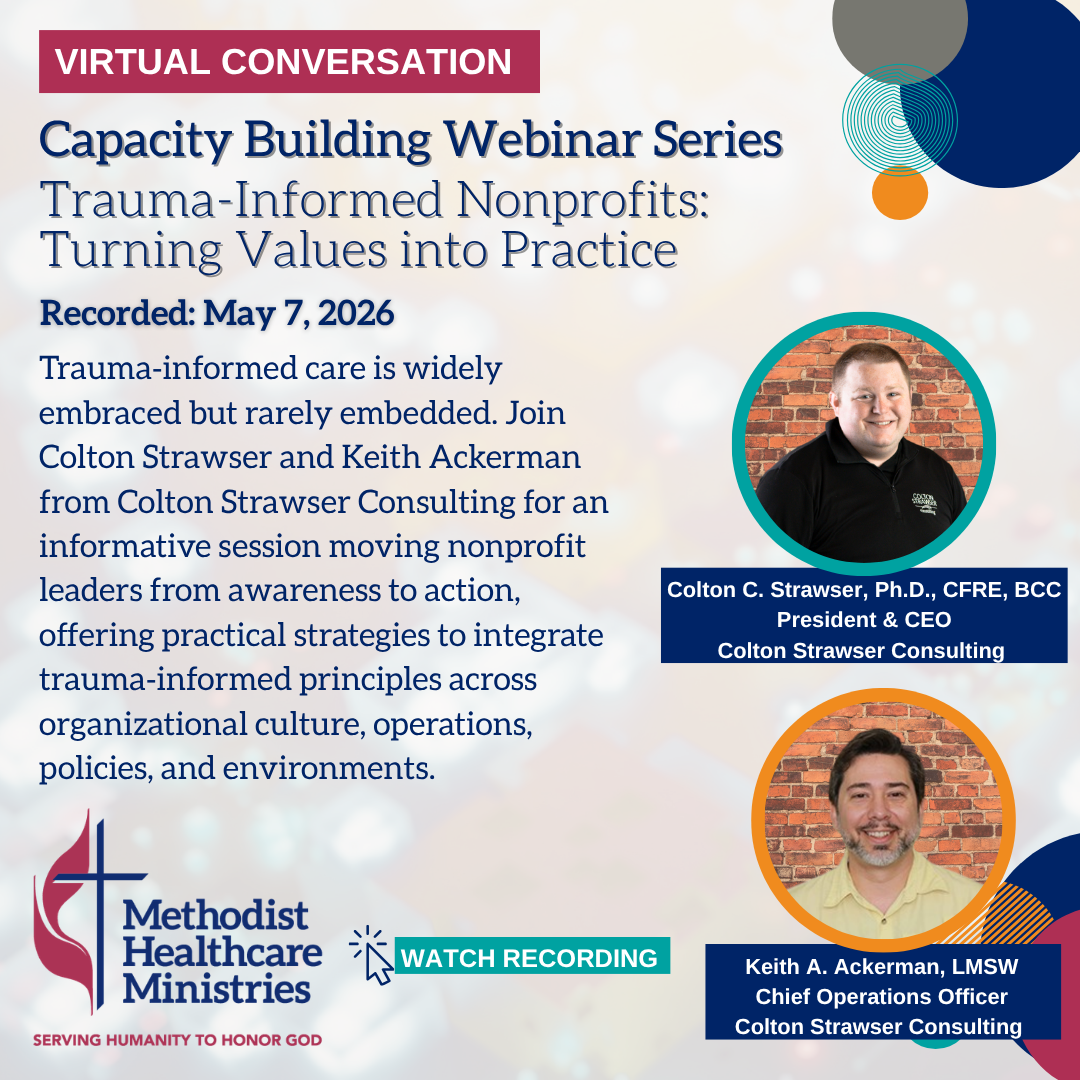
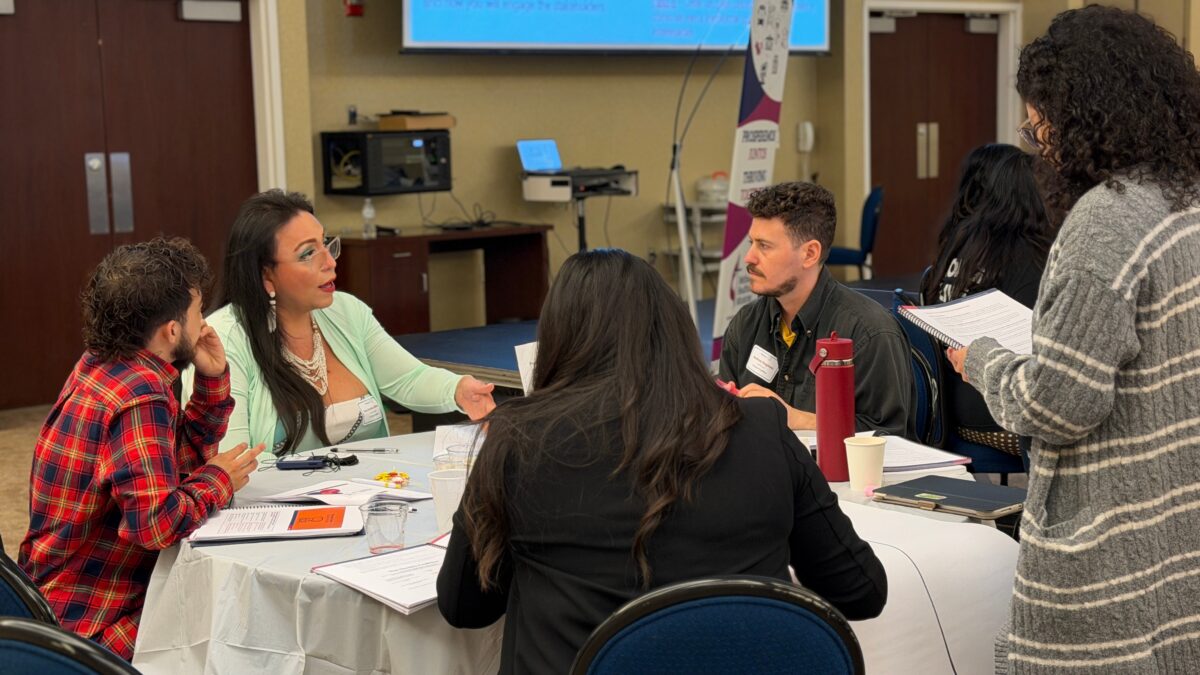
Presented by Colton Strawser, Ph.D., CFRE, BCC and Keith Ackerman, LMSW
Description: This session challenges leaders to move beyond surface-level awareness and take meaningful steps toward embedding trauma-informed principles throughout their organizations.
Drawing on insights and practical tools, this session will explore what trauma is, how it impacts individuals and communities, and why a trauma-informed approach is essential across all areas of nonprofit work—not just direct service settings, but also within management and facility operations. Participants will examine the growing gap between the use of trauma-related language and the operational changes required to truly support healing, safety, and dignity.
Through real-world examples and an adaptable framework, attendees will learn how to integrate trauma-informed practices into staff culture, service delivery, internal policies, communications, and even physical environments. This session emphasizes that becoming trauma-informed is not a one-time initiative, but an ongoing process requiring reflection, intentionality, and incremental change.
Participants will leave with actionable strategies and a clearer roadmap to help their organizations move from aspiration to implementation—building environments rooted in compassion, empowerment, and respect.
For more than 30 years, Methodist Healthcare Ministries of South Texas, Inc. (MHM) has worked to build and sustain healthy communities across its 74-county service region. In addition to clinical care for uninsured and economically disadvantaged individuals, MHM advances health by addressing the social and economic conditions that shape well-being—including the vital need for digital equity.
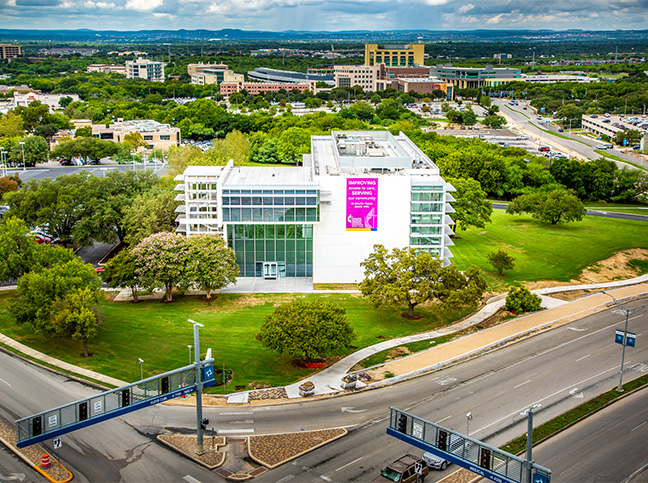
Courtesy of Mission Road Development Center
Digital equity ensures all people have access to the technology, connectivity, and skills needed to fully participate in society, democracy, and the modern economy. Since launching this initiative, MHM has invested more than $35 million in digital equity efforts through grantmaking, capacity-building, strategic partnerships, and advocacy.
Two of MHM’s digital equity partners—Mission Road Developmental Center and Girls Inc. of San Antonio—are leading powerful, community-focused work that expands connectivity, increases affordability, and strengthens digital skills.
Mission Road: Opening Digital Doors for People with IDD
Mission Road Developmental Center (MRDC) has served individuals with intellectual and developmental disabilities (IDD) for decades, providing care, education, and opportunities for independence. Yet, in today’s world, independence also means digital access—a challenge for many in the IDD community.
With support from MHM, Mission Road launched a Digital Equity, Access, and Engagement initiative designed to break down barriers to technology. The program includes:
Courtesy of Mission Road Development Center
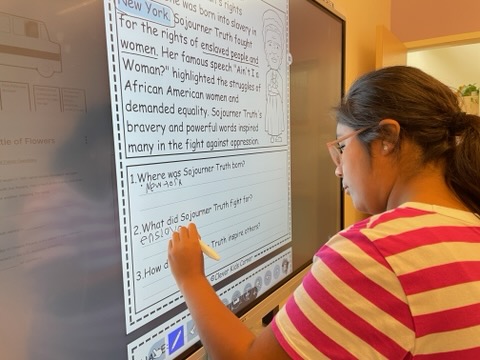
Assistive Technology Access – Providing adaptive hardware and software that supports reading, writing, communication, and online navigation. This includes device upgrades within residential homes, bringing programs such as Kibu directly to the individuals Mission Road serves.
Digital Connectors – Training staff members to serve as technology mentors—helping participants build digital literacy skills while promoting safe and confident online engagement. They currently have one Digital Equity Program Coordinator and 10 Digital Equity Program Connectors on staff.
Technology Infrastructure – Installing computer labs at the Unicorn Centers campus and the Mission Road main campus, upgrading devices, and strengthening broadband connectivity to ensure reliable access.
Hands-On Training – Offering interactive classes for participants, families, and staff, building confidence in using technology for education, healthcare access, employment readiness, and daily life.
“No programs like this exist for the IDD population in San Antonio,” Mission Road leaders shared. “This initiative is essential for inclusion, productivity, and independence.”
Girls Inc: Building Confidence Through Digital Literacy
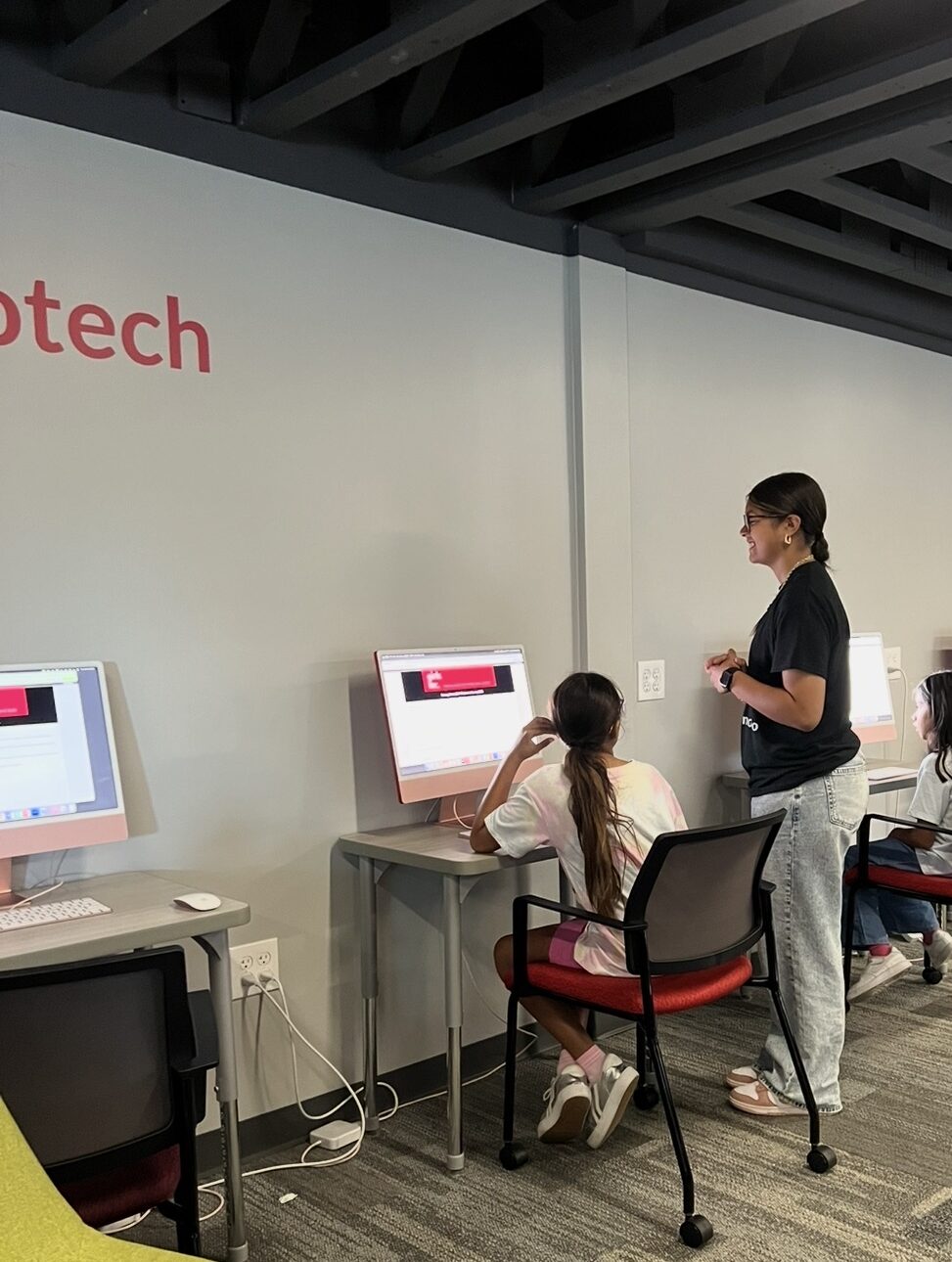
Girls Inc. of San Antonio inspires girls to be strong, smart, and bold through programs that develop leadership, STEM skills, and wellness. With MHM’s support, Girls Inc is integrating digital equity into its curriculum—empowering girls to navigate technology safely and confidently.
Courtesy of Girls, Inc.
Through the Digital Ambassadors Program, high school participants receive hands-on digital literacy training and then share their knowledge with the community. From helping neighbors log into healthcare portals at local libraries to teaching family members how to access Wi-Fi and online resources, these ambassadors are bridging the digital divide. The MHM grant has been transformative, enabling Girls Inc to:
Deliver consistent digital literacy workshops focused on online safety, communication, and critical thinking.
Train staff, volunteers, and even donors to integrate digital health and wellness into programming.
Reach more girls in historically underserved communities, ensuring they are not only connected but confident in using technology for education, health, and future careers.
“We would like everyone to understand that Girls Inc. is an all-encompassing organization that focuses on the whole girl,” said Dani Vidal, BiblioTech Niña Facilitator with Girls Inc. of San Antonio. “Our organization is an investment to the girls we serve. We help our girls learn vital skills that translate to everyday necessities, including but not limited to school-based skills, college and career readiness, navigating digital literacy, and community service.”
Why Digital Equity Matters
Both Mission Road and Girls Inc recognize that digital access is more than convenience—it’s a vital condition for health equity. From scheduling medical appointments to applying for jobs, technology is a gateway to opportunity. By equipping individuals with tools and training, these organizations are ensuring that no one is left behind.
How You Can Help
Community support makes these programs possible. Here’s how you can get involved:
Spread Awareness: Share the importance of digital equity and the work of Mission Road and Girls Inc.
Volunteer: Serve as a mentor, guest speaker, or workshop facilitator.
Partner: Help create internship opportunities for Girls Inc participants or support technology initiatives for Mission Road.
Donate: Financial contributions sustain and expand these programs, ensuring access for those who need it most.
Courtesy of Girls, Inc.
The Power of Collaboration
Digital equity is a cornerstone of thriving communities. Through collaboration and commitment, Mission Road and Girls Inc are transforming lives—one connection at a time.
To learn more or get involved, visit: Mission Road Developmental Center | Girls Inc. of San Antonio
The roadmap to excellence is shaped by lessons learned and opportunities for improvement; however, it is also a commitment from team members across Methodist Healthcare Ministries of South Texas, Inc. (MHM). To transform its internal culture and strengthen the level of care and partnerships in the communities it serves and walks alongside, MHM began exploring the Baldrige Excellence Framework.
Over the years, MHM has created policies, processes, and procedures, sharpening its focus on continuous improvement. This intentional approach led to significant milestones in the organization’s excellence journey, including submitting an application for the 2025 Malcolm Baldrige National Quality Award—the nation’s only presidential honor recognizing performance excellence. MHM received the prestigious recognition as a 2025 finalist and was one of only six organizations across the country to advance to the awards’ final phase and receive a Best Practice Spotlight for its Thriving Workforce.
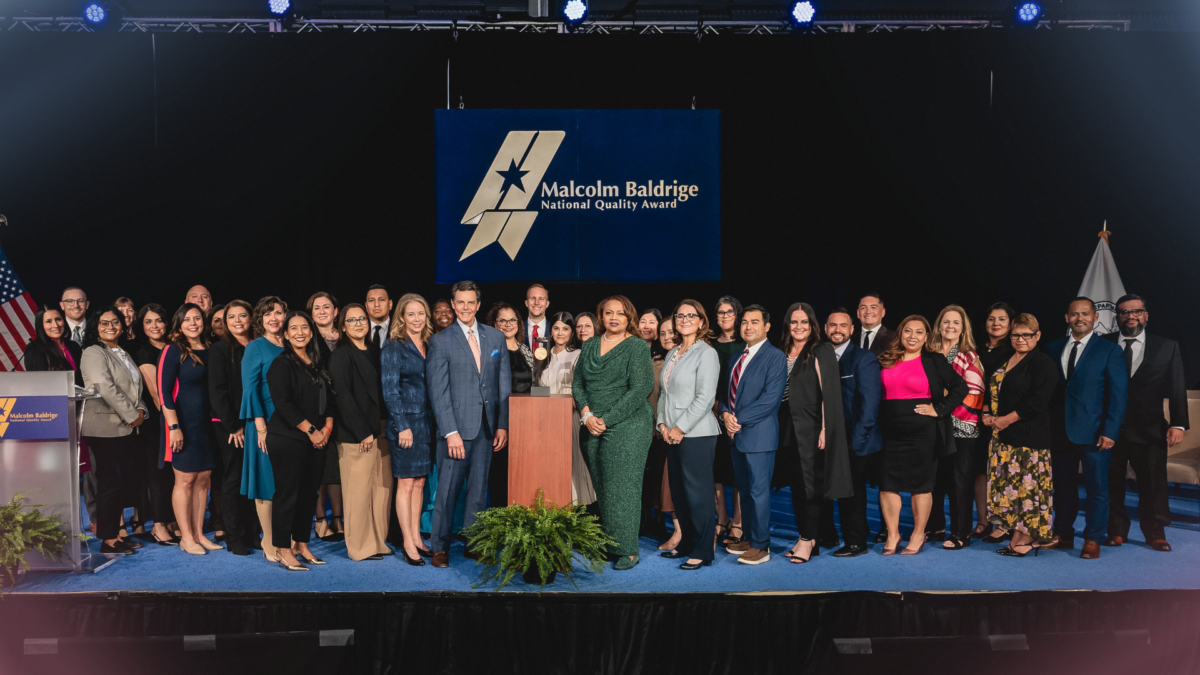
In March 2026, a delegation of MHM team members traveled to Baltimore, Maryland, to attend the Baldrige Award Ceremony, which was held ahead of the 37th annual Quest for Excellence Conference. Team members attended various sessions during the three-day convening, learning and engaging with other Baldrige recipients. The conference also provided an opportunity for MHM to share its story of excellence on a national stage.
Creating a Legacy of Excellence:
Courtesy: Hamilton Photography
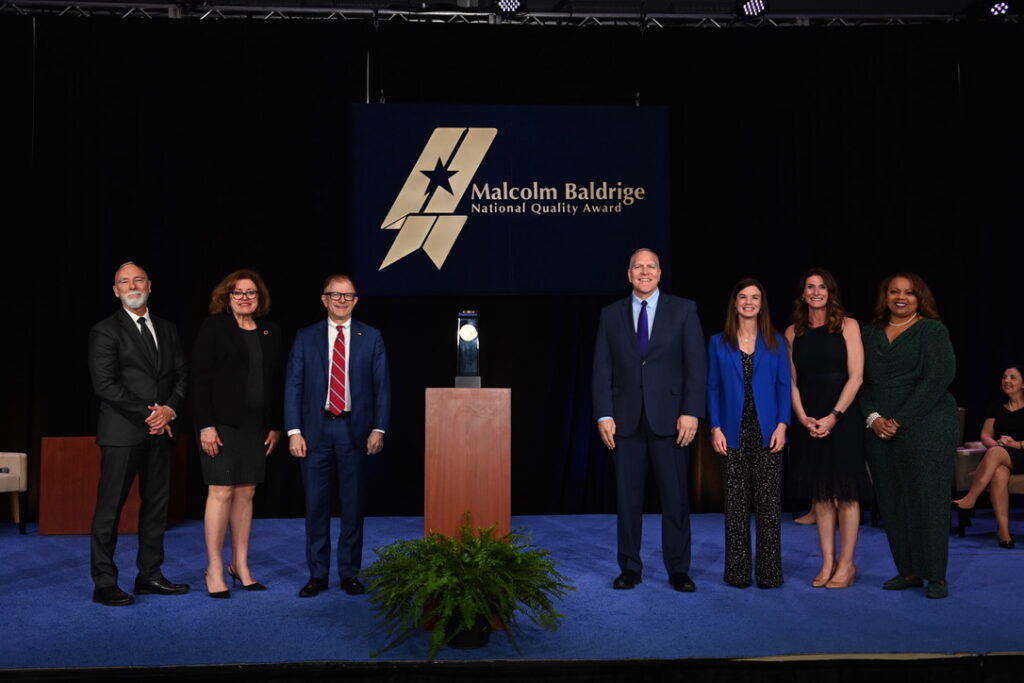
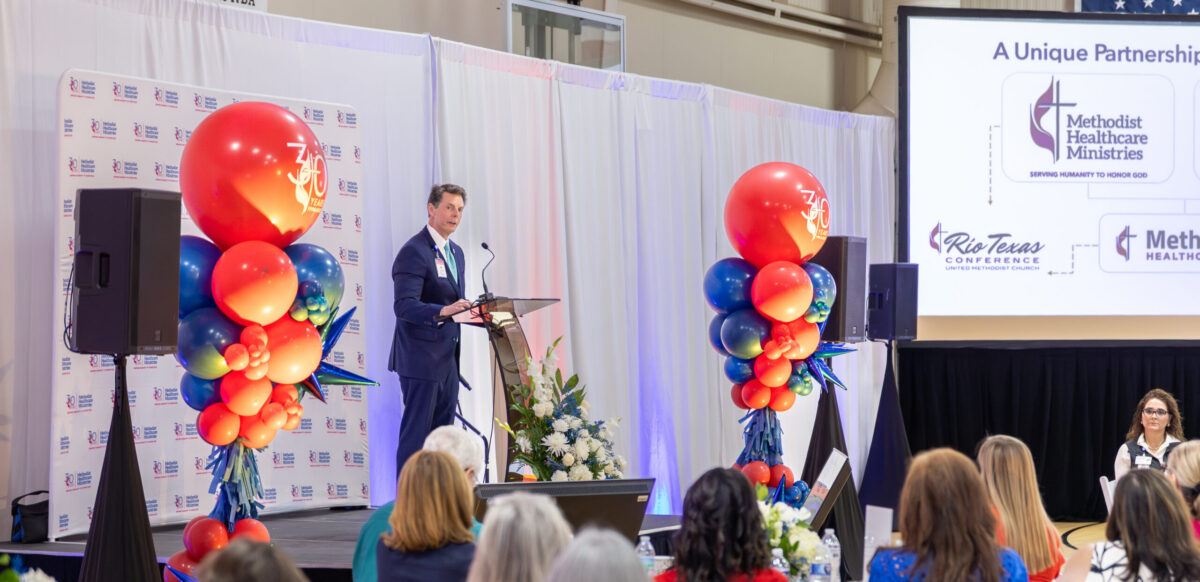
Officials with the Baldrige Foundation, the U.S. Department of Commerce, and the National Institute of Standards and Technology (NIST) presided over the award ceremony and presented the six organizations with their respective awards and recognitions. Representing MHM on stage was Oanh Maroney‑Omitade, Senior Vice President of Organizational Excellence. “When I stop and think about all the things we have done over just the past five years, it’s been phenomenal, and it has helped us become better as an organization,” she said.
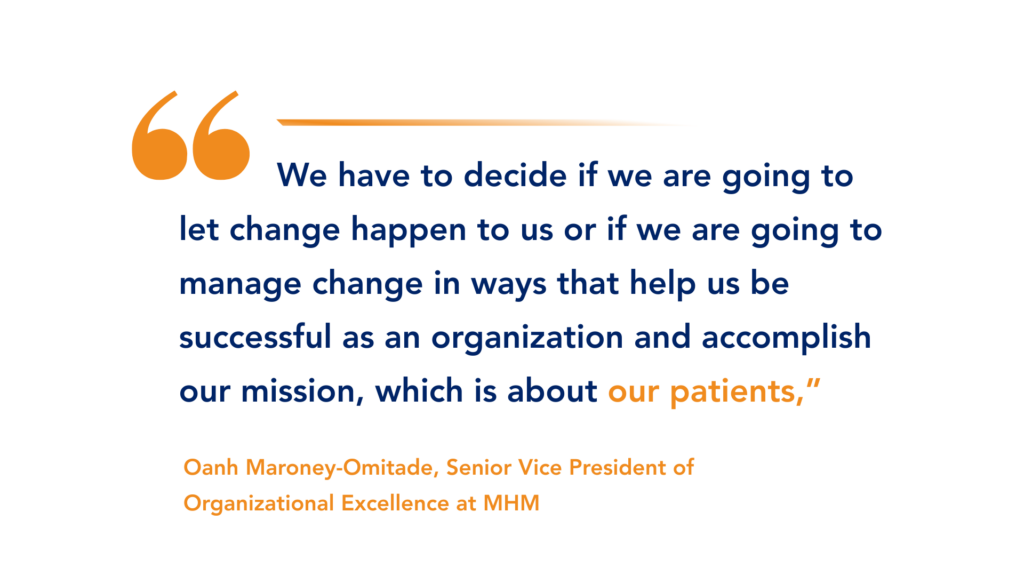
Maroney‑Omitade believes embracing change has strengthened the organization’s mission of Serving Humanity to Honor God. “We have to decide if we are going to let change happen to us or if we are going to manage change in ways that help us be successful as an organization and accomplish our mission, which is about our patients.” Jaime Wesolowski, President & CEO of MHM, credits team members across the organization for forging a path toward excellence. “Together, we have built a stronger culture that continues to elevate how we work, lead, and serve. At MHM, our commitment to excellence is more than just high standards; it is embracing our responsibility to serve the least served with integrity, compassion, and lasting impact.”
The conference opened with keynote remarks from speaker Molly Baldrige, daughter of Malcolm “Mac” Baldrige, for whom the award is named. He was known for his dedication to and advocacy for American industry, trade efficiency, and global competitiveness during his tenure as the 26th U.S. Secretary of Commerce. Courage, humility, and discipline were described as hallmarks of his character—virtues which shape modern‑day approaches to leadership and excellence.
Elevating Diverse Voices in Diverse Places:
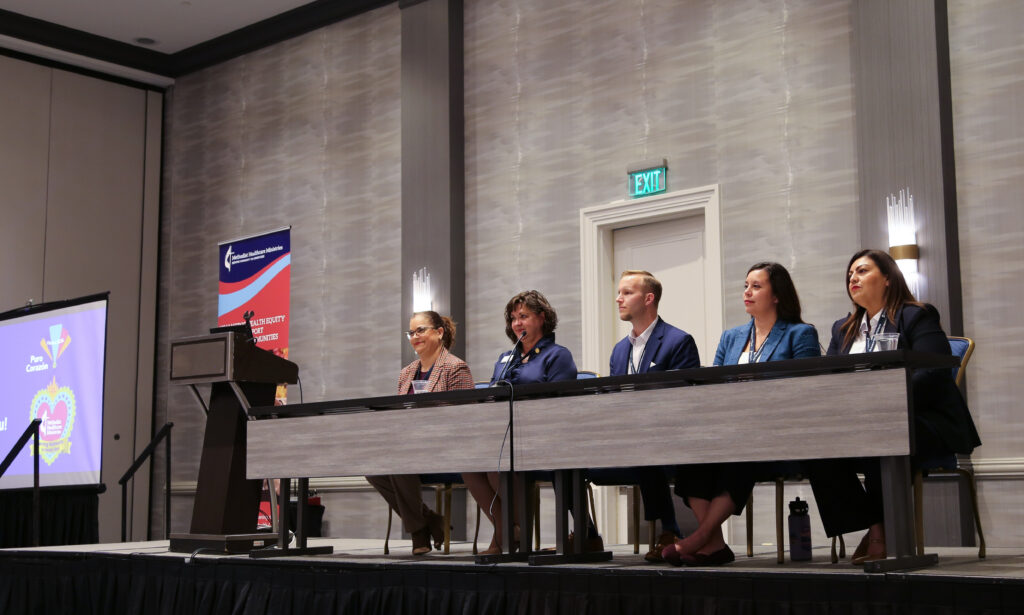
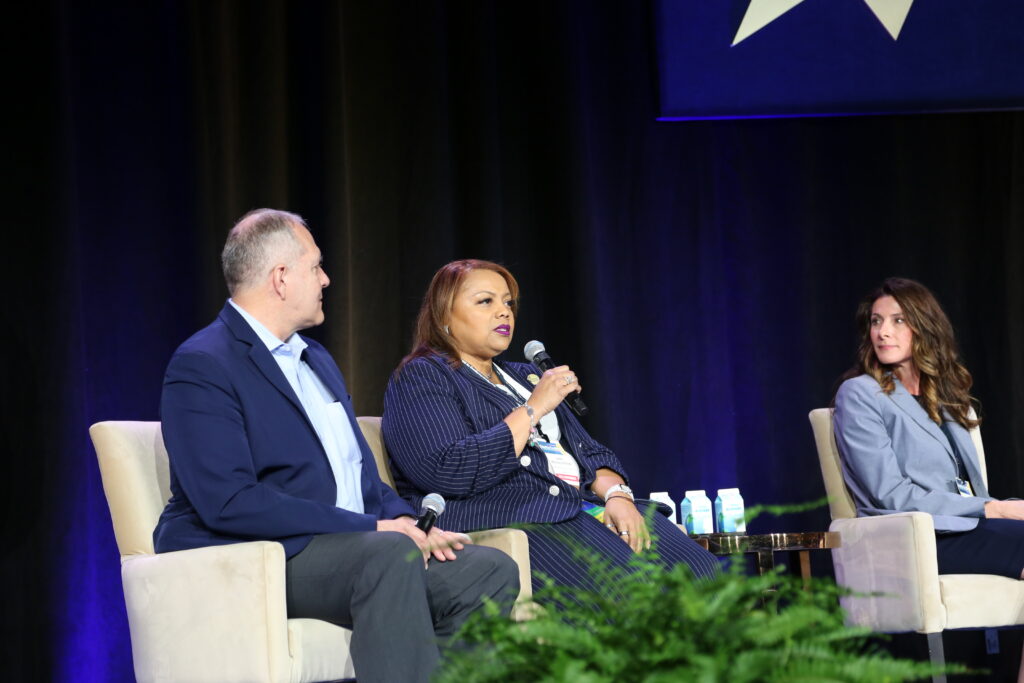
Various sessions were held throughout the conference, including panel discussions presented by MHM leaders and staff. Jennifer Knoulton, Vice President of Community Health & Wellness, and Jessica Muñoz, Vice President of Communications, led the Serving Diverse Customers & Markets session. MHM team members, Melanie Call, Community Investments Manager; Lorraine Hernandez, Director of Patient Services; and Matt Leonard, Director of Communications, served as panelists.
The discussion highlighted how MHM refined its key processes to provide exceptional integrated and patient-centered care, elevate customer voice, and build trusted relationships. “People were interested in our model of working with uninsured and underinsured populations; they recognize that it is a huge need. The way we work with the broad definition of healthcare, moving across different sectors, is essential for organizations to think about,” said Knoulton.
Muñoz emphasizes the importance of improvement and believes communities benefit when organizations can learn from one another. “This is about us sharing what we’ve learned in the markets that we serve and then drawing inspiration from what other people have learned so that we can continue to get better.” She said listening and partnering with communities is critical to creating processes that work. “We don’t ever want to think we have the right answer; we want it validated by the people who live there and who are experiencing the access to care that we are trying to create.”
Strengthening Workforce and Purpose:
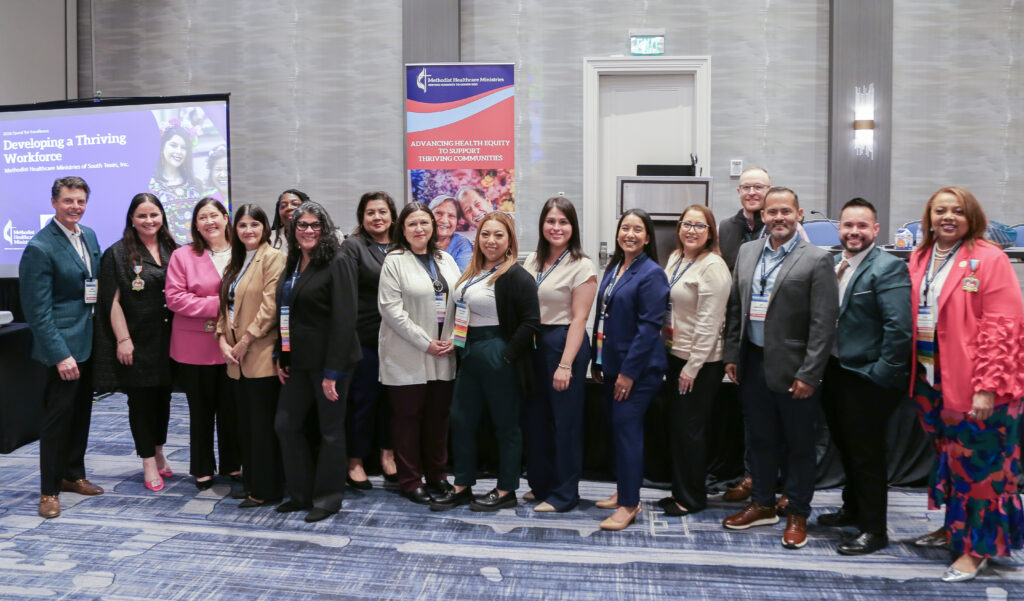
Maroney‑Omitade and Bridget Lamme, Vice President of Human Resources at MHM, led the Developing a Thriving Workforce session. Panelists included MHM team members, Mike Cervera, Director of Human Resources; Sophia London, Community Health Worker Manager; and Melody Swisher, Director of Organizational Learning and Development. The session focused on MHM’s practices and model for workforce engagement, which led to a Baldrige Best Practice Spotlight. Lamme shared why it is important to take care of the workforce that takes care of the work. “There are so many things that we are doing in our strategy; you’re going to need staff that are thriving to be able to do that work. You start with the staff, and it carries out into the community.”
The conference concluded with a Q&A that featured the 2025 Award Recipients and Best Practice Spotlight Organizations. Maroney‑Omitade sat down to reflect on MHM’s journey to Baldrige, which had been years in the making. She said that by creating a capacity for excellence and organizational alignment, MHM reached numerous milestones and gained invaluable lessons, leading to national recognition. “We’ve moved along this process together, and we’ve learned as we’ve gone, and there have been wins along the way.”
The MHM delegation departed Baltimore with a new perspective on their work and approach to excellence. Niebla Marcela Alba, RDH, Dental Hygienist at the Dixon Health & Wellness Center, and Alexandra Quintero, Dental Assistant at the Wesley Health & Wellness Center, were part of the team that attended the conference.
“Overall, attending the conference left me feeling motivated and better equipped to pursue meaningful improvements. It reinforced the idea that excellence isn’t a destination, but an ongoing process that requires commitment, adaptability, and a willingness to learn,” said Alba. Quintero shared, “I felt deeply grateful for the opportunity to learn from and witness the journeys of other organizations striving for excellence. It is a source of empowerment to realize that I am part of our own path toward creating a similar framework.”
Maroney‑Omitade said she is grateful that team members were able to hear and learn from others during their time in Baltimore. She believes it is the lessons they take back that will lead to more change. “We don’t have to go back and move mountains every day; it’s incremental growth, and collectively, if we are all on that journey for improvement, that incremental growth is significant.”
Description: This session will explore how AI can support leadership growth. Brainstorm creative ways to use AI tools to enhance communication, decision-making, and self-awareness. The webinar will focus on how to think innovatively and discover how technology can help us become better nonprofit leaders.
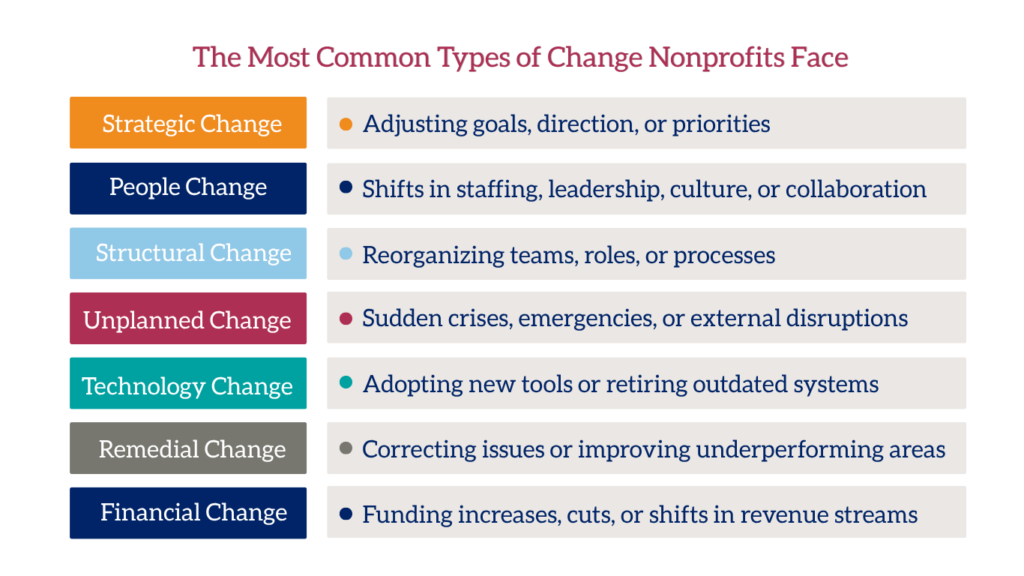
Change is constant in the nonprofit sector. Whether driven by shifting community needs, new technologies, funding fluctuations, or internal dynamics, nonprofit organizations must continually evolve to stay relevant and effective. Navigating change isn’t easy—especially in mission‑driven environments where resources are stretched and the stakes are high.
The good news? Change doesn’t have to feel chaotic. With intention, reflection, and people-centered planning, nonprofits can transform change from stress to strategy.
Why Adaptability Matters More Than Ever
As community needs rise and environments shift, adaptability becomes essential for nonprofit survival. Flexible organizations can respond quickly to emerging issues, leverage new opportunities, strengthen resilience, and better meet community needs to fulfill their mission. Structured change management ensures that nonprofits don’t simply react but instead use change as an opportunity to deepen their impact.
A Simple but Powerful Leadership Practice: Create “Balcony Time”
Nonprofit leaders are often caught in the whirlwind of daily buzz of activity—emails, operations, meetings, and program needs. Meaningful change sometimes requires stepping away from the noise of daily work to observe the bigger picture.
Balcony time is a dedicated weekly practice—10 minutes to half an hour—where leaders pause and reflect.
Here are some questions to consider to spark thinking:
What are the current needs or changing needs of my community/organization?
What new questions about our mission or future spark curiosity?
If we achieved our boldest dreams, what would that look like?
What ideas haven’t we explored yet that could deepen our mission?
What am I missing because I’ve been too busy?
What are our community and partners telling us that we haven’t fully heard?
Taking notes during balcony time reveals patterns—insights that show where attention, exploration, or planning is needed.
Listen to Your People: Staff, Stakeholders, and Community Voices Matter
Successful change isn’t implemented to people—it’s built with them.
Use conversations with staff, partners, clients, and community members to identify emerging themes. Then match those themes with your organization’s mission and values to determine which changes are most urgent and where a change effort could strengthen impact. When people feel heard, they’re far more likely to embrace change.
Ongoing practices can include inviting feedback, discussing lessons learned, engaging your team in planning, and creating space for honest dialogue.
Avoid Common Pitfalls in Change Management
Even well-intentioned organizations can stumble during change efforts. Three common missteps stand out:
1. Rolling Out Change Without Fully Committing to It
Making the decision to change is only the beginning. Without a solid implementation plan and a mechanism for feedback, changes often fade or fail. Commit the needed time, energy, and follow-through.
2. Refusing to Admit a Change Isn’t Working
Sometimes, despite best efforts, a change simply doesn’t succeed. Instead of clinging to a failing approach:
Evaluate the results
Acknowledge the effort
Course‑correct
Even celebrate the learning
Letting go can protect staff morale and prevent burnout.
3. Underestimating Change Fatigue
With so much happening in the world, people are easily overwhelmed by too much change at once. Leaders can reduce fatigue by:
Prioritizing which changes roll out first
Helping teams distinguish between urgent tasks and what can wait
Encouraging rest, pacing, and focus
Culture: The Invisible Force That Can Accelerate or Block Change
Organizational culture—how people interact, communicate, make decisions, and interpret values—can either support change or work against it.
An organizational culture that embraces curiosity, transparency, and continuous improvement enables change to stick. A culture that values stability above all else or avoids conflict may unintentionally resist even necessary shifts.
Leaders should continuously examine:
How organizational culture shows up in daily behaviors
What messages are being sent implicitly
Where culture aligns—or misaligns—with organizational goals
Recognizing organizational cultural barriers is the first step to addressing them.
Final Thoughts: Change as a Path to Impact
Nonprofits exist to address community needs, and those needs are constantly evolving. By planning ahead, listening deeply, reflecting regularly, and caring for the people who make the work possible, nonprofits can navigate change with clarity and confidence.
Change isn’t just a challenge—it’s a powerful opportunity to grow, adapt, and better serve your mission.
This free, on-demand webinar resource discusses how employee well-being can have a huge impact on organizational culture and performance, and mental health experts give strategies to help your workforce cope with living in times of perpetual change.
San Antonio, TX (March 4, 2026) – Eight community coalitions from across the Rio Grande Valley have been selected for the fifth cohort of Methodist Healthcare Ministries’ Prosperemos Juntos | Thriving Together (PJTT) Learning Collaborative. Representing Starr, Hidalgo, Willacy, and Cameron counties, the coalitions will begin a six‑month learning collaborative in March 2026 to explore frameworks that will help them develop and implement a health equity strategy tailored to their communities.
PJTT supports communities in shifting and sharing power to accelerate their journey toward health equity. Methodist Healthcare Ministries (MHM) strongly believes that communities are best equipped to improve their health and well-being. The ultimate goal of this collaborative is to provide coalitions with the knowledge and resources to strategically advance health equity, utilizing the Pathways to Population Health framework as a guide.
“The Prosperemos Juntos | Thriving Together program is one of the ways that we advance our strategic focus of strengthening communities,” said Jaime Wesolowski, President & CEO of Methodist Healthcare Ministries. “It has been an invigorating experience for our team as it allows us to have a stronger and deeper level of engagement where we learn and co-create the solutions with people who live, work, pray, and play in the communities we serve.”
This is the fifth cohort of MHM’s PJTT Learning Collaborative and the first time the program is included in the Rio Grande Valley.
The coalitions selected for the cohort include:
Rio Grande Valley Region
Coalición El Poder de Las Flores
Frontera Arts in Bloom, Las Malcriadas Fronterizas, Resistencia Fronteriza
La Causa Coalition
Trans Asylum Seeker Support Network, Organización Latina Trans in Texas, Trans Barber
RGV Arts & Culture Coalition
Trucha, ENTRE Film Center & Regional Archive,Voces Unidas,Museo 956
South Texas Coalition for Change
South Texas Equality Project, GenTex,South Texans for Reproductive Justice
Agenda RGV
IDRA, ARISE Adelante, PossAble Foundation
Delta Strong Coalition – Building Health, Safety & Housing Stability in the Delta Region
Proyecto Azteca, Hidalgo County Emergency Services District No. 2, Caso Law Firm
Mind, Body, and Soul: Growing Together
Hope and Help Center of Starr County, Starr County Precinct 3 Food Pantry, La Casita Volunteer Fire Department
RGV Heat Justice Community Coalition
ARISE Adelante, Border Workers United, University of Texas at San Antonio
During the learning collaborative, Methodist Healthcare Ministries’ PJTT team supports the coalitions in developing a multi-sector collaboration that incorporates persons with recent lived experience of the challenges that the coalition is tackling into the coalition’s leadership team. The goal is for community coalitions to identify and focus on one or more vital community condition (such as humane housing or reliable transportation) that contributes to the well-being of the entire community. Each coalition creates a strategic framework or plan of action for advancing health equity. The PJTT team meets regularly with the coalitions, schedules monthly check-ins to build rapport and trust and offer support as the coalitions learn and grow.
Coalitions that successfully complete the Learning Collaborative will be invited to apply to the Implementation Phase. The Implementation Phase lasts 3 years and includes funding as well as capacity-building resources. Although coalitions will focus their time working in community, they will still be invited to collaborate with each other through convenings and peer coaching & learning.
About Methodist Healthcare Ministries of South Texas, Inc.
Methodist Healthcare Ministries broadens the definition of healthcare by providing low-cost clinical care for the uninsured and by supporting community-led efforts that improve living conditions that cause people to be sick in the first place. We use our earnings as co-owners of Methodist Healthcare to ensure that people who are economically disadvantaged and uninsured can live their healthiest lives. We do this by advocating for, investing in and providing access to quality clinical care and addressing factors that affect health—including economic mobility, supportive relationships, food security, broadband access, and safe neighborhoods. Ultimately, we fulfill our mission of “Serving Humanity to Honor God” by advancing health equity so that more resilient individuals & families living in the 74 counties we serve can thrive.
[San Antonio, TX, February 20, 2026] – Methodist Healthcare Ministries of South Texas, Inc. (MHM) is proud to announce it has been named afinalist for the 2025 Malcolm Baldrige National Quality Award, one of six organizations nationwide to advance to the award’s final phase. This prestigious recognition reflects MHM’s commitment to performance improvement and marks a significant milestone in its multi‑year excellence journey.
In addition to being named a finalist, MHM has been honored with a Baldrige Best Practice Spotlight, a distinction created to recognize innovative, high‑impact practices demonstrated by top-performing Baldrige applicants. MHM received this honor for its Thriving Workforce strategy, an initiative that strengthens organizational culture, enhances employee engagement, and improves retention through intentional employee listening, responsive policies, and authentic engagement that affirms and builds up the dignity and gifts of each of its ‘Caring Servant’ team members.
MHM President & CEO Jaime Wesolowski celebrated the achievement, “Being recognized in the Baldrige Best Practice Spotlight is a tremendous honor—and a testament to the hard work and dedication of our 588 team members for whom this recognition marks an important milestone in MHM’s excellence journey. Together, we have strengthened our culture, improved our processes, and deepened our impact across the communities we serve, and I am immensely proud of how far we’ve come and energized by the work ahead.”
MHM’s Thriving Workforce strategy is recognized as a best practice for its mission‑centered approach to empowering its ‘Caring Servant’ team members to serve with compassion and excellence. Rooted in intentional listening and authentic engagement, the strategy emphasizes co‑designing transparent systems that ensure employees feel valued, supported, and equipped to thrive.
By empowering, engaging, and equipping its workforce, MHM directly strengthens community well‑being. High team‑member engagement and consistently low turnover preserve service continuity and trusted relationships across MHM’s 74‑county region—critical elements when serving economically disadvantaged populations. This stability drives strong organizational performance, enabling top‑decile clinical outcomes in key indicators such patient satisfaction, depression screenings, and diabetes control. MHM also models economic well‑being through substantial compensation enhancements, reflecting the thriving conditions it seeks to champion in the communities it serves.
Key drivers of the strategy include belonging, transparent leadership, shared decision‑making, meaningful recognition, and work‑life balance—reinforced through initiatives such as the Assembly peer‑recognition platform, Java with Jaime (CEO listening sessions), and organization‑wide town halls with senior leaders. A cross‑functional Thriving Workforce Taskforce provides ongoing insights into emerging needs and informs enhancements to pay, equity, and benefits, including increased minimum wages, paid parental leave, student loan repayment assistance, and expanded bereavement support.
MHM also invests in leadership development through internal programs for all tiers of staff including Ambassador Academy, Leadership Legacy, and Pathfinder, along with generous educational and certification funding available to all team members. Holistic well‑being is supported through wellness days, onsite fitness centers, volunteer time off, and pastoral care—helping position MHM as an employer of choice, recently recognized as a 2023 Top Workplace by the San Antonio Express‑News and Energage.
MHM’s recognition by Baldridge comes nearly five years after first embarking on its excellence journey, which included a systematic, organization-wide process of transformation focused on improving quality, innovation, and continuous improvement for how to best serve its patients and counties across its 74-count service area. Throughout the journey, MHM has been acknowledged by the Quality Texas Foundation with its Recognition Level Award in 2023 and the Quality Texas Foundation Governor’s Texas Award for Performance Excellencein 2024.
These milestones laid the foundation for MHM’s 2025 Baldrige Award application, which has now placed the organization among the nation’s top performers in organizational excellence.
The Baldrige Award—established by Congress and administered by NIST—is the nation’s highest presidential recognition for organizational performance excellence. It identifies role model organizations across sectors and promotes the sharing of best practices nationwide. Past awardees include top-performing nonprofits, health systems, educational institutions, and service organizations, all recognized for worldclass leadership, strategy, workforce engagement, customer focus, and results. model organizations across sectors and promotes the sharing of best practices nationwide. Past awardees include top-performing nonprofits, health systems, educational institutions, and service organizations, all recognized for worldclass leadership, strategy, workforce engagement, customer focus, and results. ‑model organizations across sectors and promotes the sharing of best practices nationwide. Past awardees include top-performing nonprofits, health systems, educational institutions, and service organizations, all recognized for world‑class leadership, strategy, workforce engagement, customer focus, and results.
###
About Methodist Healthcare Ministries of South Texas, Inc. (MHM)
Methodist Healthcare Ministries broadens the definition of healthcare by providing low-cost clinical care for the uninsured and by supporting community-led efforts that improve living conditions that cause people to be sick in the first place. Using its earnings as co-owners of Methodist Healthcare, the organization strives to ensure that people who are economically disadvantaged and uninsured can live their healthiest lives. This is accomplished by advocating for, investing in and providing access to quality clinical care and addressing factors that affect health—including economic mobility, supportive relationships, food security, broadband access, and safe neighborhoods. Ultimately, the organization fulfills its mission of ‘Serving Humanity to Honor God’ by advancing health equity so that more resilient individuals and families living in its 74-county South and Central Texas service area can thrive.
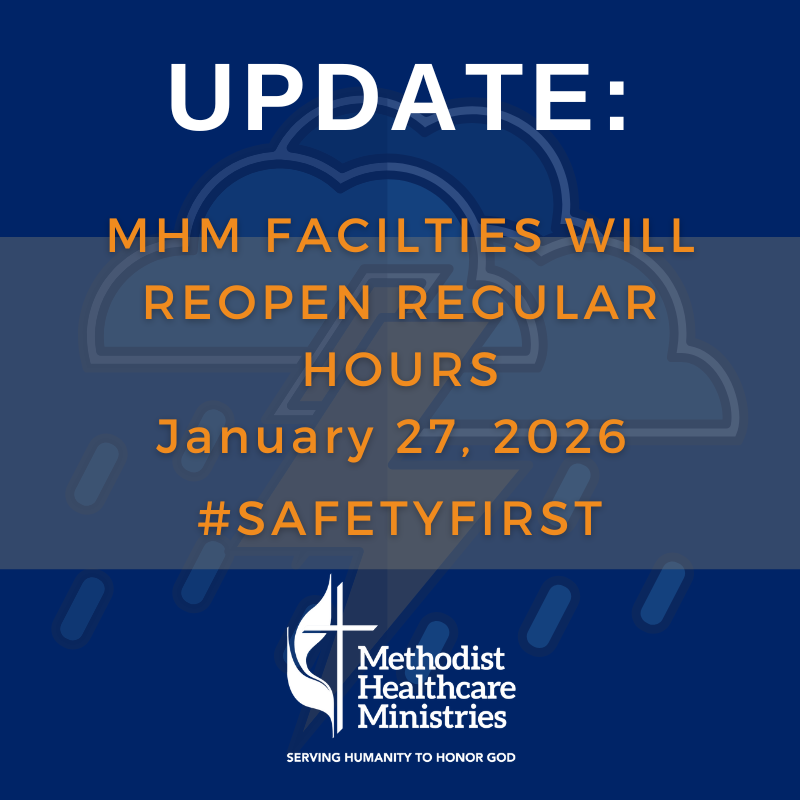
UPDATED: Conditions have improved, and MHM-owned facilities will reopen for operations beginning at 8:00 a.m. on Tuesday, January 27.
San Antonio (January 24, 2026) Due to expected inclement weather, all San Antonio area Methodist Healthcare Ministries facilities will be closed on Monday, January 26, 2026. This includes: Wesley Health & Wellness Center; Dixon Health & Wellness Center; George RicksSchool Based Health Center at Schertz Elementary, Wesley Nurse sites, Northwest Center Office, and the Corporate Office. Patients with existing appointments for Monday will be rescheduled.
Operations outside of the San Antonio area will follow the guidelines of local school districts. Please call your local Methodist Healthcare Ministries contact for guidance on programs and services.
All operations are scheduled to resume on Tuesday, January 27, pending safe commute conditions.
The safety of our patients, clients, and team members is of utmost importance. Visit mhm.org for the latest updates.
###
About Methodist Healthcare Ministries of South Texas, Inc.
Methodist Healthcare Ministries broadens the definition of healthcare by providing low-cost clinical care for the uninsured and by supporting community-led efforts that improve living conditions that cause people to be sick in the first place. We use our earnings as co-owners ofMethodist Healthcare to ensure that people who are economically disadvantaged and uninsured can live their healthiest lives. We do this by advocating for, investing in and providing access to quality clinical care and addressing factors that affect health—including economicmobility, supportive relationships, food security, broadband access, and safe neighborhoods. Ultimately, we fulfill our mission of “Serving Humanity to Honor God” by advancing health equity so that more resilient individuals and families living in the 74 counties we serve can thrive.
Stories can be a powerful tool that can guide an organization in a variety of ways. As our Capacity Building team continues to explore the Power of Storytelling, we asked Community Connector, Yvonne Pacheco, to join the conversation.
Yvonne works in the Communities of Solutions Department; a team rooted in community partnerships. Their focus is to find, learn about, connect with, and provide capacity building support to community organizations. Yvonne emphasizes how listening and learning from community perspectives can build connections, “I built those relationships out with different community partners, community advocates, and I’m just listening to stories [wondering], what is the story they’re telling about their community?”
To deep our understanding on the power of storytelling, Yvonne suggested connecting with Methodist Healthcare Ministries’ (MHM) Community Councils. Nimet McGrath, Community Council Manager, connected our team with Community Council member, Nancy. Nancy’s personal story is one of managing adversity and ongoing struggles in her life and journeying to resilient career and educational paths, earning certifications as a Community Health Worker (CHW), Mental Health Peer Specialist (MHPS) and Recovery Support Peer Specialist (RSPS). In this blog post, Nancy shares how her life experiences led her to become a ‘caring servant’ who listens to others.
What does storytelling mean to you?
“I just feel like to me storytelling is powerful because it takes hidden struggles and brings them into the light,” Nancy said. “When I share my story, it builds trust and lets others know they’re not alone.”
Nancy has navigated decades of hardships, one after another, including childhood emotional abuse, family abandonment, financial struggles, unstable housing, alcoholism, depression and anxiety. When Nancy shares her life story, people are often surprised by everything she has experienced.
“I lost it all,” she said. “But I gained a different type of career that has lifted me to lift people.”
Although she has lived through difficult life experiences, making it through them has given Nancy a new perspective. She now sees that the darkness she lived through has led her to a path of bringing hope to others.
“I’ve realized that my lived experience not only helps me support my own children differently, but also allows me to help change the lives of other families walking the same road,” Nancy said.
Nancy often asks herself when considering how she’ll extend a hand to help lift someone else up, “How is this going to be a successful story?”
Why do you do this work?
“I try to help single moms like me that suffer from depression and anxiety and being hopeless,” Nancy shared. She wants other single moms to feel supported and provide them with access to resources she didn’t have.
“I have a big family, and nobody was there for us. Nobody. So, I know the loneliness. I know the grieving. I know the struggle of counting pennies.”
“So, I felt like if I’m receiving, I need to give. I have to give back to the community. You have to have a heart.”
“Because my life was so hard, I understand. I understand everything. The addiction, the loneliness, the fear. I do this work because God turned my pain into purpose.I’ve lived the struggles myself, and I don’t want anyone to feel alone. Serving others brings me joy and strength, and it’s my way of showing the hope that God has given me.”
Why do stories matter to you and in your work?
“Stories matter because they build trust, remind people they’re more than statistics, and make them feel seen. They heal, connect us, and inspire action in ways numbers never can,” Nancy said.
If you could tell an organization like ours and other nonprofits one thing about the importance of listening to the people that we serve, what would it be? What do you think is the most important thing that an organization like MHM and others that serve community should consider?
“Well, I think stories impact communities because they make the unseen visible. It shows the real needs people face, and they move organizations to respond with compassion. Stories also shape funding and partnerships, and they empower residents to become leaders themselves, you know. At the heart, stories remind us we’re connected and that every program is about real people, not just numbers. I just feel that these stories, they’re so life-changing for some of us.”
“Through sharing her story, as well as how her story has led to impacting others, Nancy has demonstrated that sharing stories is important to her work. Especially as a Peer Specialist, storytelling allows Nancy to build trust, connect, relate, uplift, and inspire. As she describes, “It’s my calling. I have purpose. I didn’t know I had purpose here. I thought I didn’t want to be here. And now…I love my purpose.”
Not only does Nancy have this impact on her community, but also on organizations and funders. Nancy’s ability to share a genuine, authentic, and compelling story can also tug at the listener’s heartstrings and call them to act.
Funders and organizations who provide support to community can learn from Nancy’s example. We can be more intentional about listening and amplifying community voices. It is important to hear directly from people with lived and living experiences. When we ask community voices to share their stories, it’s our time to listen and learn. We can then share—with their permission—their impactful stories to continue to garner support so we can help make a difference in the lives of people we serve.
For more than 30 years, Methodist Healthcare Ministries of South Texas, Inc. (MHM) has worked to create and sustain healthy communities across its 74-county service area. In 2025, MHM allocated $62.5 million to over 185 nonprofit organizations and municipalities, including $35.6 million in new grants through an open cycle launched in 2024. This investment reflects MHM’s commitment to supporting thriving people and places by addressing vital conditions—the essential properties and environments everyone needs to reach their full potential for health and life.
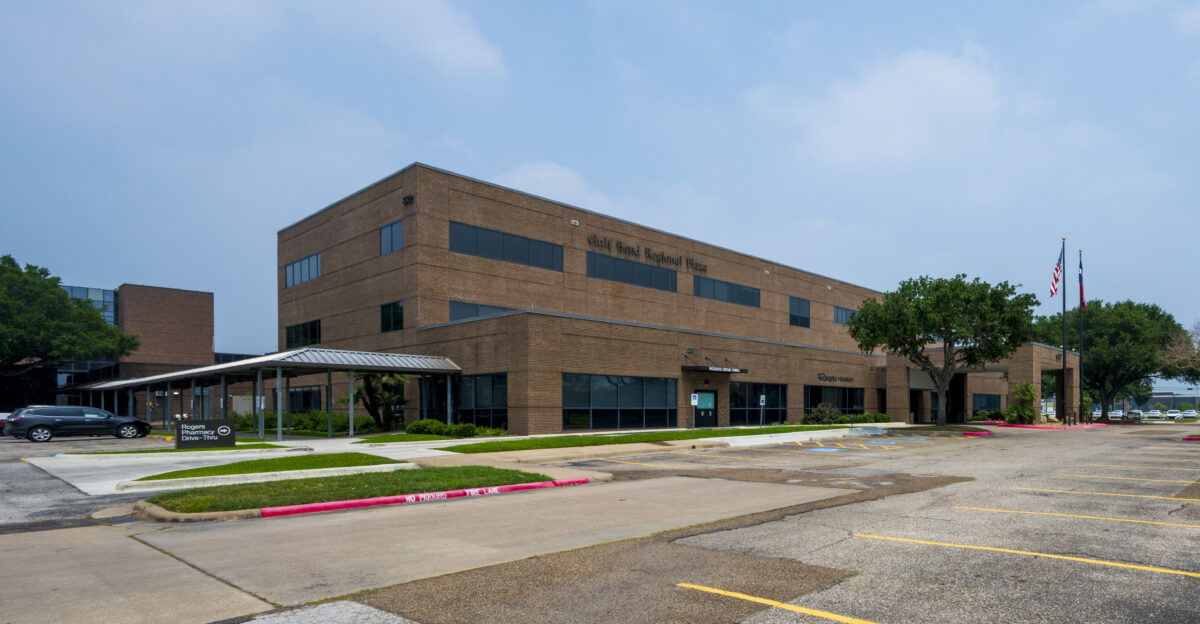
One of those partners isGulf Bend Center, based in Victoria, Texas. A trusted partner since 2017, Gulf Bend has received more than $2 million from MHM to advance its mission of improving mental health and wellness in rural communities.
Gulf Bend Center: A Trusted Partner in Mental Health
For more than 55 years, the Center has been a cornerstone of mental health and wellness in South Texas. As the Local Mental Health Authority serving seven counties—Calhoun, DeWitt, Goliad, Jackson, Refugio, Lavaca, and Victoria— the Center’s mission is clear: to improve the quality of life in our community for individuals and their families by providing excellent and trusted care for wellness.
The Center’s “No Wrong Door” approach is rooted in its role as a Certified Community Behavioral Health Clinic (CCBHC), ensuring that no one is turned away from care. Regardless of where someone lives or their ability to pay, individuals can access a full continuum of mental health and substance use services. This model removes barriers to care and reflects the Center’s commitment to health equity, ensuring mental health services are accessible to all who need them.
A Full Continuum of Care
Gulf Bend offers a wide range of services to meet individuals where they are—from outpatient clinics and school-based case managers to a crisis response team paired with mental health officers. Their Community Resource Center helps customers apply for benefits and access digital equity resources, addressing critical vital conditions impact mental wellness.
Collaboration is at the heart of Gulf Bend’s work. Through local partnerships and diversion programs, they strengthen rural communities and create pathways to care that prevent crises before they escalate. “At the end of the day, our work is about removing barriers and meeting people where they are,” says Tiffany Seiler, Community Development Coordinator. “When access is built into the system, people are more likely to get help early and stay connected to care.”
How MHM’s Grant Is Making a Difference
The partnership between the Center and MHM is more than financial support—it’s a catalyst for change. With MHM’s funding, the Center has launched and strengthened initiatives that directly impact community health and well-being.
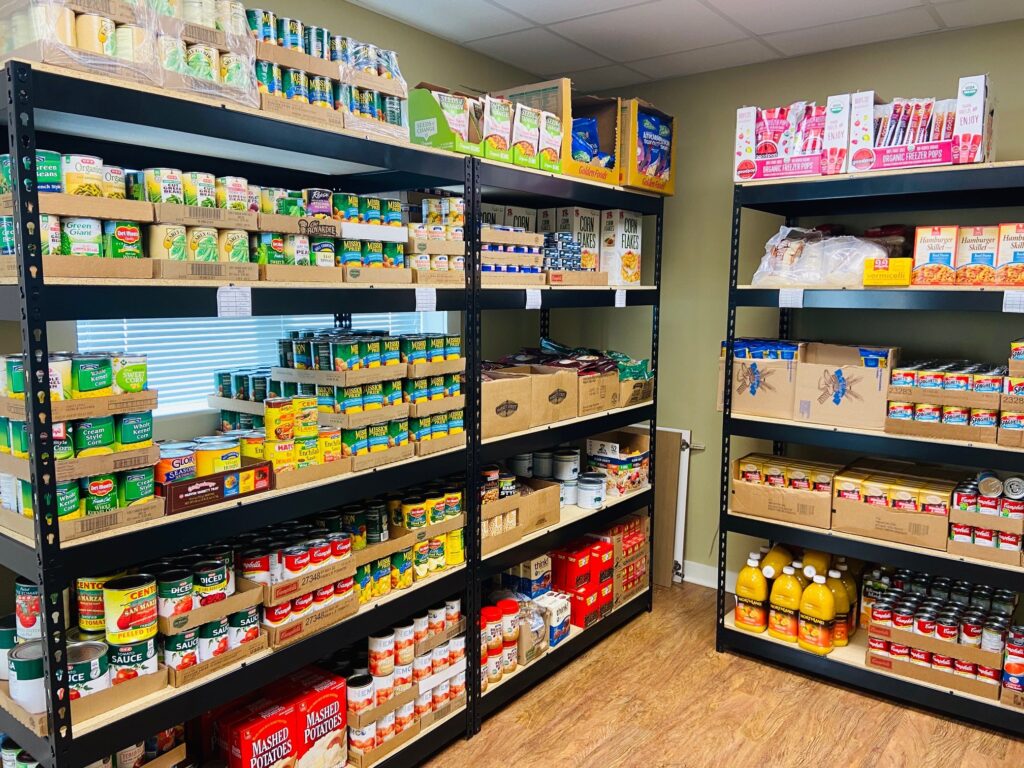
One of the most visible changes is in the food pantry. Traditionally, rural food pantries rely on shelf-stable items high in preservatives and low in nutrition. The Center wanted to rewrite that story. Today, through their partnership with MHM, the Gulf Bend Center’s pantry is stocked with fresh fruits and vegetables, lean meats, eggs, and dairy—providing families with healthy options that nourish both body and mind.
Perhaps most transformative is the Pathway Program, designed for individuals navigating mental health crises. This program offers frequent contact and personalized support, helping clients stabilize and avoid psychiatric hospitalizations. It’s a proactive approach that saves lives and strengthens community resilience—giving people the tools and care they need to move forward.
What You Should Know About Gulf Bend Center
As Jessica Dodds, the Center’s Marketing Specialist, explains:
“People often are not aware of who we are or the services we provide until they are facing a crisis. Our goal is to help the community understand the full scope of our services and the partnerships that make them possible. The Center is a trusted partner, and we are here for everyone.”
How You Can Help
The Center’s impact depends on community support. Start by spreading awareness—talk openly about mental health, share the Center’s story, and help break the stigma that keeps so many from seeking care.
For those who want to take a hands-on role, volunteering is a meaningful way to contribute. Whether it’s assisting with programs or supporting community events, your time and skills make a real difference. Advocacy is another critical piece—by championing mental health initiatives in your own circles, you help create a culture that values wellness and access to care.
Financial support is equally important. Donations allow the Center to sustain and expand essential services, ensuring help is available when and where it’s needed most. And if you’re passionate about education, the Center offers training programs for adults and youth, along with opportunities to speak at local meetings to promote mental health literacy. Every conversation, every action, brings us closer to a healthier, more resilient community.
Together, We Build Strength
In rural areas, resources can be scarce—but Gulf Bend Center proves that together, we have strength. Through collaboration, compassion, and commitment, they are transforming lives and advancing health equity across South Texas.
To learn more about the Center and how you can get involved, please visit gulfbend.org.
Methodist Healthcare Ministries of South Texas, Inc. (MHM) seeks to disrupt the cycle of intergenerational poverty by investing in and supporting crosscutting initiatives that address root causes of health inequities. Under its long-term strategic objective – Impact Systemic Change, the organization identifies economic mobility as a target initiative.
The video and sections below provide a comprehensive overview of MHM’s commitment to economic mobility.
Intergenerational poverty can negatively affect several aspects of life for individuals, families, and communities, including:
Life expectancy
Chronic diseases
Mental health
Educational and employment opportunities
Quality time with family and friends
Being engaged in community and faith-based activities
MHM seeks to address barriers associated with intergenerational poverty through upward economic mobility. The initiative aims to promote financial prosperity, and independence by strengthening knowledge, behaviors, and opportunities through financial education, information, and mentoring– which can lead to better short- and long-term health outcomes:
Improved health and wellbeing
Better access to healthcare
Nutritious food
Improved community conditions
Social connections
Opportunities to thrive
Safe housing
Those closest to the challenges have a unique vision of what health and well-being look like to them.
Vanessa Tobares, Director of Strategy & Impact at MHM
“MHM wants to ensure communities have what they need today and into the future. Those closest to the challenges have a unique vision of what health and well-being look like to them. We support the community’s influence as it can lead to long-term improvements in length and quality of life,” said Vanessa Tobares, Director of Strategy & Impact at MHM.
MHM considers several factors in its approach to upward economic mobility, “We think about the financial gains from one point in time to another, especially after a major life event, such as earning a credential or gaining employment with a living wage and across generations of families and communities.” However, the organization also recognizes the importance of autonomy and control, which enable individuals to make decisions that are best for themselves and their families—fostering a sense of belonging and the ability to contribute to their communities fully and actively.
Building upon existing knowledge, assets, and strengths that exist across its 74-county service area, MHM explores several approaches at the individual, family, and community levels, including:
Direct cash aid to individuals and families to supplement limited earnings.
Mobility Mentoring, a family engagement approach in which mentors partner with low-income individuals and families. Using coaching and brain science, participants build skills for economic independence through goal setting, financial literacy, and capacity building—ultimately empowering them to become their own coaches.
Supporting whole families through two-generational (2Gen) approaches and seeing outcomes for children and the multi-generational adults in their lives.
Exploring potential opportunities with Community Development Financial Institutions (CDFIs) – mission-driven financial institutions dedicated to providing financial services to communities and populations that are underserved by traditional financial markets.
“The approaches that we are exploring are not only based on professional subject matter experts, but also on the ideas and knowledge shared with us during listening sessions with community members, community council members, and team members,” said Tobares.
MHM remains committed to disrupting the cycle of intergenerational poverty and recognizes it must continue to explore approaches that contribute to prosperity. Tobares underscores the importance of partnerships with organizations and communities across the service area, as it allows for innovation and new opportunities. She shares, “We hope that long term, these approaches and partnerships will lead to better quality of life and extend length of life over time as well as everybody having what they need to be able to thrive.”
“It is about creating opportunities to make the best decisions for themselves, their families, and communities.”
Sandra Martinez, Vice-President of Strategy & Impact
Sandra Martinez, Vice-President of Strategy & Impact at MHM adds, “”Economic mobility is not only about equipping individuals and families with tools and resources—it is about creating opportunities to make the best decisions for themselves, their families, and communities. By shifting our mindsets about what it takes to live well and thrive, we can partner with communities to address systemic barriers and create new pathways to stability and upward mobility.”
Transforming community health and well-being is a bold commitment that requires passion and purpose. Visionary leaders recognize innovation and collaboration are essential in the journey toward tangible change.
For more than five years, Aspen Healthy Communities Fellows (HCF) have worked together to turn their visions of healthier communities into reality. The fellowship program exists within the Aspen Global Innovators (AGI) Group. Each year leaders from across the country are selected to participate as ‘fellows’ in the year-long program.
Throughout the fellowship, participants receive tailored support and opportunities to strengthen their leadership skills and connect with peers. Drawing on their deep understanding of local challenges and resilience, fellows also learn to craft compelling narratives about their work.
AGI partners with local philanthropies and foundations to amplify its impact and initiatives. Methodist Healthcare Ministries of South Texas, Inc. (MHM), a long-time supporter of the AGI Group, joined forces with the Knapp Community Care Foundation (KCCF) to bring the HCF program to the Rio Grande Valley (RGV) in early 2025.
Eight leaders from various parts of Texas, North Carolina, and Oklahoma were selected to be part of the 2025 Aspen HCF program. In early November, the group gathered in the RGV for their final convening of the year. The fellows learned about the community’s challenges and strengths – and shared how they champion change.
A Commitment to Community:
The convening was held in the city of Brownsville, which neighbors the Mexican city of Matamoros, Tamaulipas. The communities share several commonalities in culture which are widely felt across the dividing border. There are several historic landmarks and exhibits which depict Brownsville’s early beginnings; while cultural art illustrates the value and connection to its heritage. Despite the city’s charm and beauty, intergenerational poverty still exists for families and individuals who live in neighborhoods referred to as “colonias.”
Colonias are found along the United States-Mexico border and are home to families with mixed-immigration status. Colonia residents must navigate difficult living conditions, ranging from poor drainage and infrastructure to the lack of nearby healthcare facilities, digital resources, and transportation.
The fellows visited some of Brownsville’s colonias and were led by representatives from La Unión del Pueblo Entero (LUPE). The organization assists working-class and immigrant families within colonias, while also supporting the development of neighborhood leadership.
Jorge Rodriguez is the director of the Buckner Family Hope Center, located in the RGV; he is also one of two fellows from the area. Rodriguez’s early years as a migrant farmworker fueled his commitment and support of colonia residents. “Families in the colonias of the Rio Grande Valley face many socio-economic barriers, including food insecurity, irregular employment, and a lack of access to healthcare and mental health services,” he said.
“They are creating conditions for the community to step into its power and to re-shape it.”
Jorge rodriguez, ASPEN HEALTHY COMMUNITies FELLOW
However, despite their difficult challenges, the fellows learned that colonia residents remain resilient. Rodriguez recognizes their strength and determination and is proud to see LUPE shift agency back to the people, “They are creating conditions for the community to step into its power and to re-shape it.”
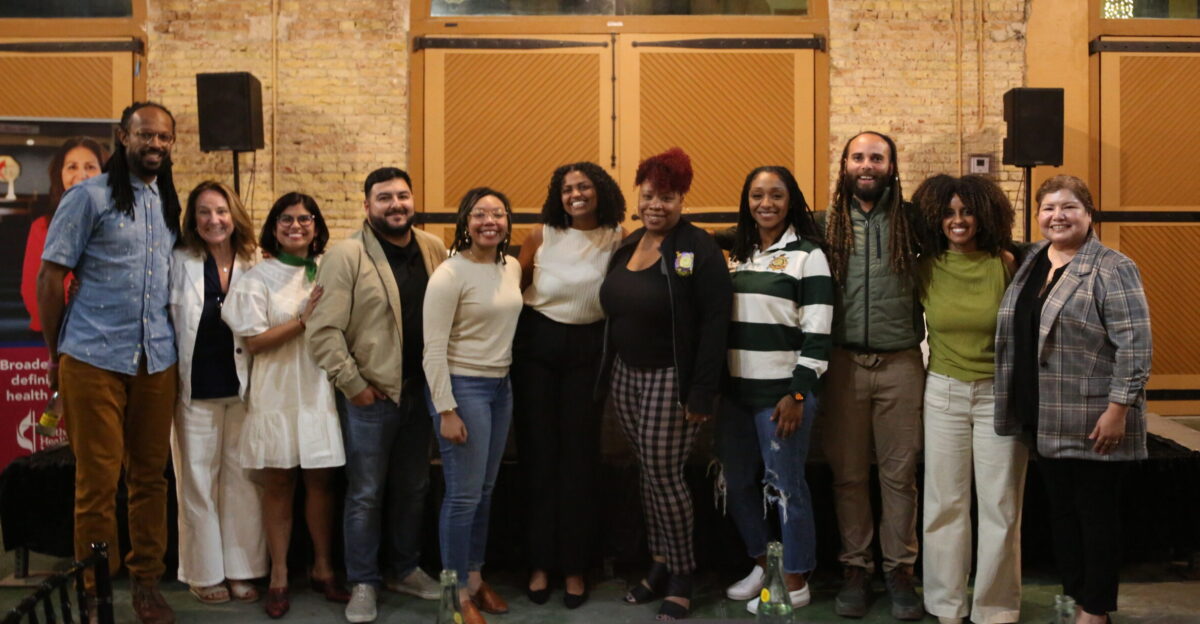
The panel share their insights and experiences with the audience.
The fellows later met with local leaders and organizations at Brownville Market Square. The AGI Group and MHM hosted the event, which also included a panel discussion: “Rooted in Place: Centering Community in Local Change.” Peggy Clark, Founder and Interim Executive Director of AGI Group moderated the panel, which featured MHM President & CEO, Jaime Wesolowski, LUPE President and Executive Director, Tania Chavez Camacho, and CEO of Behavioral Health Solutions of South Texas, Monica Hernandez Sanchez.
The panelists shared their experiences in accompanying and supporting people as they seek to improve community health and well-being. Hernandez Sanchez is also a 2025 Aspen fellow and was born and raised in the RGV. She believes when people are supported their “resilience shines through.”
Amplifying Voices and Stories of Impact:
The following morning, the Aspen fellows made their way to the eBridge Center for their final narrative training session. The fellows spent the year learning how to transform their personal and professional experiences into stories of impact. Hernandez Sanchez said the narrative trainings gave her a new understanding of herself and others, “I gained different perspectives, and skill sets specific to highlighting my story and the stories of individuals, families, and communities connected with Behavioral Health Solutions,” she said.
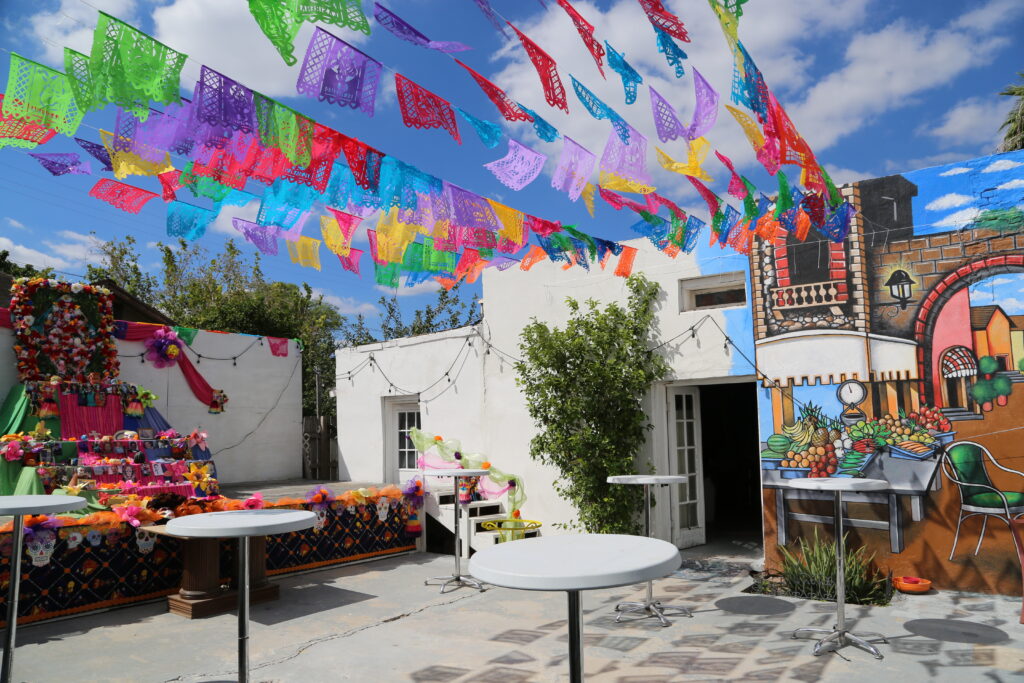
The Carlotta Petrina Museum courtyard adorned with vibrant colors and an ofrenda in commemoration of Día de Muertos (Day of the Dead).
As the fellows spent their morning crafting powerful narratives, Clark, Wesolowski, and a delegation from MHM immersed themselves in the city’s rich history and vibrant culture. Their journey took them across the heart of downtown Brownsville. The group learned how local businesses like JZD are strengthening the local economy and fostering an inclusive environment. The group also visited iconic landmarks such as the Heritage Museum and Stillman House, home to artifacts and exhibits that tell the story of the region’s past. Art and culture are celebrated in places like the Carlotta Petrina Museum – a haven for both local and international artists.
The delegation reconvened with the fellows at the eBridge Center where they met with Brownsville City Manager, Helen Ramirez. In 2022, Ramirez made history as the first woman appointed to the role of city manager. She shared her journey with the group and emphasized the importance of community investment.
The fellows share their support of each other’s testimonies.
During their final evening, the fellows celebrated the end of their journey with the visiting delegation. They listened in as the fellows shared their stories of impact and expressed gratitude for the lessons they learned and bonds they forged during the fellowship. Rodriguez explains how sharing his story gave him strength to lead with greater purpose, “This has been a year of belonging—feeling free to look into my lived experiences as a source of growth and resilience. As I embrace my story and lived experience, I have a deeper understanding that the people we serve have the most insight into what they need.”
“Listening to the challenges, successes, and personal impacts shared by my co-fellows inspired me and gave me strength to do more than I thought I could,”
Hernandez Sanchez added that the support from the fellowship changed how she approaches her work and leadership, “Listening to the challenges, successes, and personal impacts shared by my co-fellows inspired me and gave me strength to do more than I thought I could,” she said.
Purpose and Partnerships:
Aspen Healthy Communities Fellows, Rodriguez and Hernandez Sanchez.
As the first Aspen fellows representing the Rio Grande Valley, Rodriguez and Hernandez Sanchez reflected on what it meant to have the final convening in their community. “The convening brought attention to the region’s resilience, the beauty of its people, and the growth taking place. It was refreshing,” said Rodriguez. “It was about sharing a piece of myself with [the fellows] – our people deserve to be seen and celebrated,” said Hernandez Sanchez.
Cristina Trejo is the executive director at the KCCF, she describes the RGV convening as a “powerful statement of the talent and leadership that define our communities.” She adds, “Our partnership with Methodist Healthcare Ministries and the Aspen Global Innovators Group demonstrates the value of aligned philanthropy, as together we were able to bring the Healthy Communities Fellows program to the Valley.”
Wesolowski shares, “Supporting the Aspen Healthy Communities Fellows is a natural extension of Methodist Healthcare Ministries’ mission to ‘Serve Humanity to Honor God.’ These fellows represent what it means to be innovators and advocates who are working to transform communities.” Wesolowski added, “MHM is proud to share a vision of healthier communities with this group of local leaders as they seek to champion change.”
Clark said the HCF program is about finding and supporting individuals who lead with purpose and heart, “Aspen Global Innovators’ Healthy Communities Fellows remind us of the wisdom and expertise that lives in the communities we work in, where leaders such as Monica and Jorge are paving the way with profound solutions to our most pressing problems. Working with community leaders across South Texas underscores the power of finding and supporting leaders whose connection to their deepest purpose –coupled with external and peer support— can change the world.”
“Aspen Global Innovators’ Healthy Communities Fellows remind us of the wisdom and expertise that lives in the communities we work in.”
peggy clark, Founder and Interim Executive Director of Aspen Global Innovators Group
Carrying the Work Forward:
The Aspen HCF, MHM delegation, and Brownsville City Manger, Helen Ramirez.
The Aspen Healthy Communities Fellowship demonstrates the importance of partnering with local leadership. Through their visions and collaboration, meaningful change can begin to take place. Bringing a diverse group of leaders together is essential, as they carry a unique experience and insight. Programs like HCF sharpen their skills and equip them with tools to amplify their stories, foster resilience and lead with innovation.
The RGV convening was a celebration of shared purpose, culture and history, and the power of partnerships. As the fellows returned to their communities, they carried with them a renewed commitment and newfound purpose. Their passion and purpose to transform communities proves that when people are supported and empowered, lasting impact is possible.
Jaime Wesolowski is the President and Chief Executive Officer at Methodist Healthcare Ministries. A healthcare executive with three decades of leadership experience, Jaime is responsible for the overall governance and direction of Methodist Healthcare Ministries. Jaime earned his Master’s Degree in Healthcare Administration from Xavier University, and his Bachelor’s of Science from Indiana University in Healthcare Administration. As a cancer survivor, Jaime is a staunch supporter of the American Cancer Society. He serves as Chair of the American Cancer Society’s South Texas Area board of directors and he was appointed as Chair to the recently created South Region Advisory Cabinet, covering eight states from Arizona through Alabama. Jaime believes his personal experience as a cancer survivor has given him more defined insight and compassion to the physical, emotional, and spiritual needs of patients and their families.