Moving Upstream: Health starts outside of the doctor’s office

By Edlín Maldonado-Fuller, collaborative grants specialist

The United States leads the world in medical research and medical care. This would make you believe we are the healthiest people on Earth. Surprisingly, however, the U.S. isn’t even in the top 25 countries on some of the most important health indicators, like how long we live. We’re behind Bosnia and Jordan! We have the most expensive health care system in the world, yet rate 33rd in quality of care (read more). The majority of our health care costs go to direct care to manage the “downstream” consequences. Not much is invested in the “upstream” factors like housing, education and employment. Yet, years of research tell us good health depends on many things beyond health care.

Our ZIP code is a strong predictor of how long we live and of our quality of life. Health care (clinical care) is not the only aspect that determines our health and is not the sole answer to better health. Nonmedical factors play a substantially larger role (read more). Even if every individual in Methodist Healthcare Ministries’ 74-county service area in South Texas could afford to see a doctor when they were sick, it would not necessarily result in healthier communities. If we look closer, we learn that various factors within our communities truly influence both our health and our ability to make healthier choices.

Health starts outside of the doctor’s office – in our homes, workplaces, schools and places of worship. We need to enable people to choose the best path to health and ensure that everyone has the tools and resources to make healthy decisions. As a health care system, I believe we should seek upstream solutions to drive vast improvements in health. We should consider promoting health as a community, and unite health and other sectors and disciplines. We need to focus on the nonmedical determinants of health present in our communities, such as social, environmental and behavioral factors.

As an organization, we acknowledge achieving healthy communities takes different, localized approaches. The needs and resources of urban areas vary from rural areas. And not all rural areas face the same challenges. How we work together with communities is changing and is moving toward intentional partnerships to address the Social Determinants of Health (read more). Thankfully, various interventions exist to help our health care system address the nonmedical factors, both within the system and externally.

Still, how do we best address the other factors beyond clinical care that greatly impact our health? Methodist Healthcare Ministries is hard at work meeting with partners across the Rio Grande Valley and greater Coastal Bend regions to understand the needs and resources of communities. We ask questions and listen attentively to identify opportunities for collaboration, alignment, and new ways to leverage resources. Guided by our community partners, we seek to build cross-sector partnerships and promote health. We are also committed to identifying different ways to collect and use determinants of health data to inform and create transformational change.

God intertwines our talents with the needs of others to allow us the privilege of touching, serving, and inspiring others as they journey to become healthier communities. Imagine what could happen if we focused our efforts on preventive measures and upstream factors to keep people healthy!

Edlín Maldonado-Fuller is the Collaborative Grants Specialist for Methodist Healthcare Ministries. She provides technical assistance to community partners in Methodist Healthcare Ministries' service regions, ranging from grant-writing, vetting grant opportunities, supporting collaborative funding initiatives and sharing information about development resources.

Local health fair benefits Colorado County citizens

On July 23, Methodist Healthcare Ministries Wesley Nurse, Debora Shimek, along with representatives from Texas A&M AgriLife, Columbus Community Hospital, the Columbus Department of Health and Human Services, and Maximus Insurance, organized a countywide event to promote health and safety: Circus of Health.

The Colorado County event benefited parents and school age children with "health and safety information and demonstrations. Resources also included child safety seat checks, health screenings, dental checkups, emergency response instruction, as well as health and wellness facts. Backpacks, school supplies, bike helmets and T-shirts were given away to children present.

Shimek operated a health booth on behalf of Methodist Healthcare Ministries with information on the importance of breakfast. Other booths were set up by the Columbus volunteer fire department and the police department. A helicopter, which landed in the school's playing field, was brought on-site by Women's Hospital for children to view inside. Texas AgriLife presented children with the importance of seat belt safety.

Nearly 300 were in attendance for the morning event at Columbus Elementary School. "It was a very successful event for the community," said Shimek. 

Learning about the body in a Bible study

By Donnelle Storrs, Wesley Nurse

As a faith community nurse, I strive to provide compassionate care and consider the spiritual needs of patients while addressing their physical health. I attend Bible studies to meditate on the scriptures, and listen and learn about the Lord without really thinking about the physical body. How amazing is it then to go to a Bible study and have the Lord open my eyes to things I had not seen before?

John 9 tells, in my mind, a beautiful story to read. In summary, Jesus and his disciples happen upon a man blind from birth – for ease of reading, we'll call the blind man Bubba. After a short discussion, Jesus spits into the dirt to create mud. He places the mud over Bubba's eyes and instructs him to go wash in the pool of Siloam. Bubba follows Jesus' instructions and is healed.

Bubba tells his experience to the Pharisees who are incredulous. They ask for Bubba's parents to give testimony, not believing that he was truly blind before meeting Jesus. The parents confirm his identity and that he had been born blind, however, they deny any knowledge of Bubba being healed. The parents remind the Pharisees that Bubba is of age to answer the questions so the Pharisees ask again how he was healed. At this point, Bubba has questions of his own. "I already told you, and you didn't listen. Why do you want to hear it again?" (CEB Jn 9:27a) Bubba is then expelled from the group.

Jesus returns, and as he reveals himself to be the son of God, Bubba believes and worships him. "Jesus said, 'I have come into the world to exercise judgment so that those who don't see can see and those who see will become blind.'" (CEB Jn 9:39)

The chapter before Bubba's story, in the Temple, "Jesus spoke to the people again, saying, 'I am the light of the world. Whoever follows me won't walk in darkness but will have the light of life.'" (CEB Jn 8:12)

When preparing a health education program on eyes and vision, I was captivated by a simple truth: in order to see, there must be light. Of course, it makes perfect sense—we are unable to see in pitch black darkness. There must be light in order for our eyes to be able to work. But take a moment to reflect on John 8:12 along with what is physically required for vision—Jesus is the light of the world; there must be light in order to see. I paused. It seemed so simple. We may live in these physical bodies, but do we truly see if we have not encountered Jesus?

There is a saying from Matthew 6:22 (CEB) that says, "The eye is the lamp of the body. Therefore, if your eye is healthy, your whole body will be full of light." Did you know that an eye exam could tell you how you're doing with your blood pressure? This same exam can tell you if your diabetes is under control? It's true. The eye is the only place where a doctor can view a vein, artery and nerve without any incision. The eyes are great indicators of health, which is why regular eye exams (yearly) are so important. It's not just your eyes being checked, but also how your heart is working and your blood is flowing.

I had studied eyes and vision in nursing school and read articles since then on the topic. I had seen these verses from John 8 and 9; I had just never really thought of them together. We are beautifully and wonderfully made. In seeing these concepts together, I realized that the Lord could teach me about my body in a Bible study as well as in a nursing class.

Stay tuned! I hope to share with you more about how health and Bible classes work cohesively.

Donnelle Storrs, RN is a Wesley Nurse at Methodist Healthcare Ministries of South Texas, Inc. Methodist Healthcare Ministries' Wesley Nurse program is a faith-based, holistic health and wellness program committed to serving the least-served through education, health promotion and collaboration with individuals and communities to achieve improved wellness through self-empowerment. Learn more at www.mhm.org/programs/health-ministries

Banding together for the greater good: Premont’s successful community effort

By Abel Garcia, research & community impact analyst

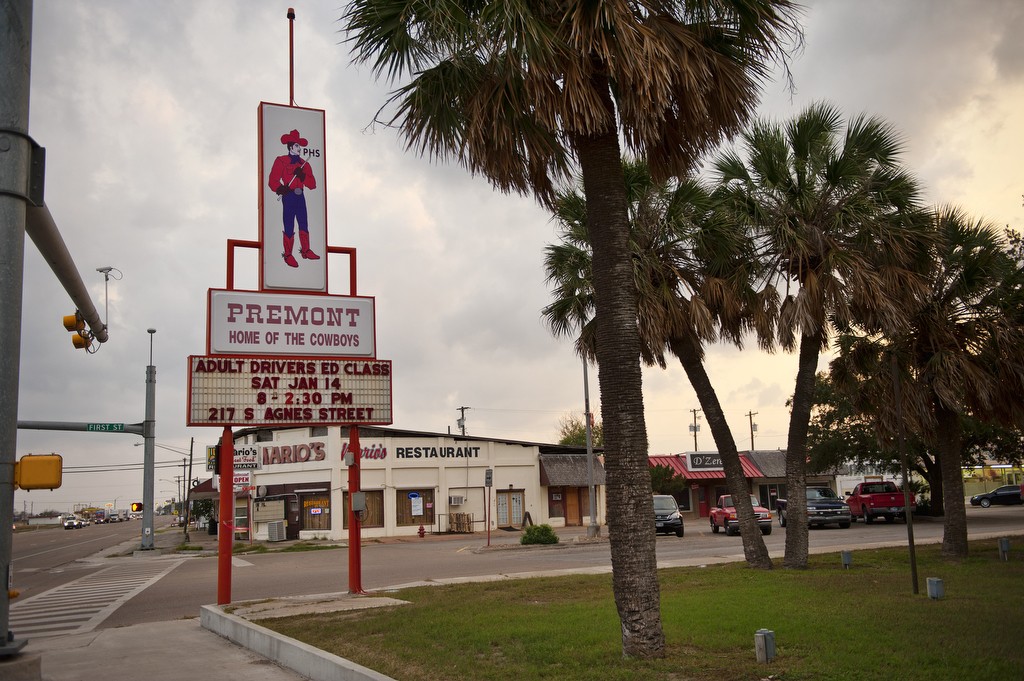
I grew up in the Coastal Bend region of Texas in a small town called Premont, about 30 miles south of Alice. Not long after graduating high school, I left town for college and I haven't lived there since. Although I've been gone for over 20 years, I still consider Premont my home. I still have a lot of family there including my father, sister, nieces and a whole bunch of primos, tías and tíos. A handful of friends I went to school with still reside there as well. The city of Premont has a great deal of needs, and since graduating with a Masters in Social Work, I've often been conflicted about living so far away and not directly giving back to my community. Growing up in Premont shaped me as a person; it influenced why I became a social worker. Working at Methodist Healthcare Ministries has helped ease that inner conflict. The work I've been doing to support regionalization efforts in the Coastal Bend will ultimately impact my hometown in a positive way.

Premont, like many rural communities in the Coastal Bend, faces many challenges associated with the Social Determinants of Health — factors beyond clinical care that impact health such as education, diet and exercise, access to care, community safety, and family and social support to name a few. If improved, these factors can help make communities healthier places to live, learn, work and play. Some of Premont's challenges include a high rate of poverty, low education attainment, limited access to health care, limited access to healthy food, and high numbers of obesity and diabetes. A good portion of what I do with Methodist Healthcare Ministries is gathering this type of public health information to help inform others of the work that we conduct in the area.

A few months ago I attended the 2016 Summer in the Park Festival hosted by the Premont P.R.I.D.E. (Premont Residents Involved in Dynamic Education) Foundation. The P.R.I.D.E. Foundation started in 2012 after the Texas Education Agency (TEA) had taken a rare action to revoke the local school district's accreditation. Premont ISD had been ordered to close down the summer of 2012. TEA decided to take this action after years of unacceptable academic ratings, complaints about rat and mold infested facilities, allegations of dysfunctional school leadership and constant budget deficits. The TEA has only shut down five schools since 1999, and in each case the decision was final, but Premont ISD leadership took advantage of an option to appeal. Knowing that losing the school district would be devastating to the community, the community worked together by raising funds and volunteering their time to repair and rebuild some of the rundown facilities. The community worked with school district leaders and developed strategies to improve attendance and test scores. The school district even cut their football program; which if you're familiar with small Texas towns is a big sacrifice. The community worked to form a partnership between Premont ISD and Texas A&M University-Kingsville to improve academics. All this work resulted in the school district receiving a reprieve from the TEA. The P.R.I.D.E. Foundation was formed as a result of the community's struggle to organize and garner support to save the school district, and in turn became an ongoing advocate for dynamic and quality education for the children of Premont.

Summer in the Park is the P.R.I.D.E. Foundation's big annual fundraiser. This year, Methodist Healthcare Ministries proudly sponsored the event in part. Initially, it started out as a call out to all Premont ISD alumni to come support the community during the TEA crisis. Now it's grown into a full-fledged community festival with food, music, games, a 5K run/walk, and a 3-on-3 basketball tournament. Proceeds go toward the school district. Organizers of the festival pride themselves in saying that the event serves as a symbol of community. They feel it serves as a way for Premont's children to form strong associations with what it is like to live in a small town with limited resources, and that sometimes in order to make a difference, you have to sacrifice your personal needs for what is best for everyone else.

I attended this year's Summer in the Park event with my father and had a great time. It was unseasonably cool for late June so the turnout was excellent. While reconnecting with friends and family, I was asked numerous times about where I live and where I work. When I told folks I worked for a not-for-profit in the health care industry, the conversation naturally steered toward health. Nearly everyone I spoke to recounted their struggles with diabetes, obesity, high blood pressure, the cost of medicine, and not being able to see a doctor because there isn't one nearby (which is one of my 76-year-old father's primary complaints, along with being too old to sit and wait all day to see a doctor). "Why go?" he often says jokingly, but I know it is a source of frustration for him and many others in the community. In order for my dad to see a primary care doctor, he has to travel more than 30 miles to Alice or Kingsville. Often times he gets to his appointment on time, but still ends up sitting in a packed waiting room for hours and is sometimes asked to come back another day. His only other options are to use one of the local emergency rooms or travel another 40 miles or so to Corpus Christi to see a primary care doctor. Even though my dad is fully insured with Medicare and has transportation, seeing a doctor is hard work.

Unfortunately, I think there's a misconception that small towns are filled with people who don't care about their own health, and that the community is the reason the county ranks so poorly when it comes to health outcomes. I think this interpretation is flawed and ultimately detrimental to the health of communities like Premont. While visiting Premont I witnessed a community that is vibrant, strong, and prideful in their ties with one another. I saw individuals eager to learn better ways to manage their health but overburdened by the huge hurdles they need to cross just to see a primary care physician or get their medicine.

There is evidence that small communities like Premont indicate a strong awareness about health. Evidence like the 5K run/walk that was added to Summer in the Park after its second year. The event was proposed by a few community members who had made personal commitments to live healthier lifestyles. This year, more than 50 people participated in the 5K, with an 11-year-old as the youngest participant and an 82-year-old as the oldest. Evidence like the 3-on-3 basketball tournament that has taken place since the first festival. Participants practiced for weeks at their homes and at the local community gymnasium. Children and adults for generations have packed the "old gym," a 1950s era gymnasium owned by the city, to be active and play. My mother taught my brother and me how to shoot free throws at that gym.

A community that bands together to save their school district from what the TEA even thought was a lost cause, is a community that is resilient and cares about its overall well-being. If we look closely, outside of the numbers and metrics, I think we can find a great deal of passion and community commitment for health care in rural communities. As Methodist Healthcare Ministries moves forward with regionalization efforts, I believe rural communities like Premont can be impacted in a profoundly positive way. When communities are given the opportunity and resources to build on their strengths, change can happen for the better. As Methodist Healthcare Ministries connects with local leaders and listens to community needs, not only will health be impacted, but people's perceptions of what is possible will too.

Methodist Healthcare Ministries board of directors elects George N. Ricks as new chair

George N. Ricks was elected to the position of chair of the board of directors during Methodist Healthcare Ministries' annual board meeting on June 22, 2016. Mr. Ricks brings with him deep experience in leadership and a passion for service to others.

As chair, Mr. Ricks will concurrently represent Methodist Healthcare Ministries on Methodist Healthcare System's board of governors and community board.

Ricks has served on Methodist Healthcare Ministries' board of directors since 2005.

"I cannot begin to express how delighted I am to work under George Ricks' leadership," explains Kevin C. Moriarty, president and CEO of Methodist Healthcare Ministries. "George's faith-filled and selfless approach to leadership serves as an inspiration to us all. He has a true desire to understand the organization's challenges and explore new opportunities."

In addition to serving on Methodist Healthcare Ministries' all-volunteer board of directors, Ricks is the vice president of technology services at Documation, LLC. Ricks is a past board president for Schertz-Cibolo-Universal City Independent School District serving as a board member for 14 years.

Ricks is an active member and current board of trustees' chairman of Schertz United Methodist Church, and a United States Navy veteran. He resides in Cibolo, Texas with his wife of 37 years, Barbara. Together, they have a son named Michael.

Methodist Healthcare Ministries is fortunate to have Ricks' vision and direction as we move into a new stage of growth for Methodist Healthcare Ministries. Methodist Healthcare Ministries' board of directors is a diverse group of experts and leaders from the fields of banking, philanthropy, business development and health care. The board meets regularly to develop operational goals and metrics, report on progress being made in key areas, and explore new opportunities.

Methodist Healthcare Ministries receives Eugene Washington PCORI Engagement Award

Award to implement Advancing Health in South Texas Engagement Series

Methodist Healthcare Ministries of South Texas, Inc. received the Eugene Washington Patient-Centered Outcomes Research Institute (PCORI) Engagement Award to implement a community engagement series called Advancing Health in South Texas. The series seeks to convene patients and key stakeholders across a 20-county area to develop a coordinated regional approach for patient-centered research and evaluation among university systems, academic institutions, managed care organizations, and public health systems. The desired outcome is to promote actionable and measurable engagement opportunities to create a clear and intentional framework to guide system alignment and ensure authentic patient engagement in the future dissemination of research and evaluation findings. The series is focused on the Rio Grande Valley and Coastal Bend regions of Texas to include Aransas, Bee, Brooks, Cameron, Dimmit, Duval, Hidalgo, Jim Hogg, Jim Wells, Kenedy, Kleberg, Maverick, Nueces, Refugio, San Patricio, Starr, Webb, Willacy, Zapata and Zavala counties.

The engagement series consists of five sessions taking place in the Rio Grande Valley and Coastal Bend regions of Texas all with specific audiences and purposes:

  • What Matters to You? (February 2016) consisted of six, two-hour focus groups in Cameron, Hidalgo, Jim Wells, Nueces, Webb and Zavala counties. These sessions solicited community feedback to frame and shape conversations among academic institutions, managed care organizations, and public health systems. The sessions gathered valuable patient feedback regarding what patients identify and define as important health issues for their communities. We also explored how health issues are communicated to patients and whether these strategies are effective, and if they believe they are actively engaged in co-constructing solutions. Read summary report
  • Knowledge Sharing Champions (May 2016; McAllen) brought together university systems and academic institutions with a regional footprint to discuss current areas of research; opportunities for intersection and alignment around population health outcomes; opportunities to share meta-data sets; how and/or if patient stakeholder groups are currently engaged throughout the research process; and how research findings and evaluation results are, or are not, shared and communicated with patient stakeholder groups.
  • Engaging Health Payers (August 2016; Austin) will bring together managed care organizations to discuss findings from the first two sessions; opportunities to develop a consensus around the need for patient-centered research and evaluation; opportunities to identify areas of alignment and gaps based on patient input; how to redefine engagement and participate in effective care models and improved population health outcomes; how planned research and state funded projects can help shape and inform market growth and reimbursement strategies; and how policy changes can be made under the purview of the public health systems, policy makers and managed care organizations to incentivize and encourage future alignment and integration of patience-centered research and dissemination .This session allows historically disjointed systems to connect around shared population health outcomes and measurements, as well as, realize the importance of patient engagement strategies and identifies possible gaps.
  • Engaging the Community Voice (October 2016; TBD) will gather end users, such as consumers, caregivers, policy makers and health advocacy groups to discuss best-in-class strategies for research dissemination. The results of these sessions will allow regional academic and public health systems to align dissemination practices with the realities of consumers. Essentially, this meeting will determine the best way to package and communicate information for patients.
  • Building the Patient-Centered Partnership (February 2017; TBD) will bring back participants from the Knowledge Sharing Champions session to discuss systems redesign based on the information gathered throughout the engagement series and discuss how they will incorporate consumer feedback in their dissemination strategies and research plans. During the session, participants will hear from patient-identified community leaders who will share health-related research questions, ideas, and suggestions developed throughout the patient-focused discussions with systems leaders. This session will also have a call to action to engage all academic and public health systems to create a clear and intentional framework to guide system alignment and ensure patient feedback and authentic patient engagement in the future dissemination of research and evaluation findings.

Methodist Healthcare Ministries is committed to hosting meetings throughout the region to build the infrastructure necessary for relevant and meaningful research dissemination for the next decade.

"We at Methodist Healthcare Ministries believe the quality of health care is immensely improved when patients are well-informed to become their own advocates. We are honored to be selected by PCORI, and to be recognized for our ability to assemble community members in a collaborative and meaningful way," explains Rebecca Brune, Senior Vice President of Strategic Planning & Growth. "The engagement series will provide us with a stronger platform upon which to make systems changes and facilitate further conversation on the topic of improving the health care landscape in South Texas. We are embarking upon a critical journey; a journey that has the potential to positively change the healthcare system in our community."

PCORI is an independent, non-profit organization authorized by Congress in 2010 to fund comparative effectiveness research that will provide patients, their caregivers, and clinicians with the evidence needed to make better-informed health and healthcare decisions. PCORI is committed to seeking input from a broad range of stakeholders to guide its work.

Methodist Healthcare Ministries sponsors camp for diabetic children

Methodist Healthcare Ministries of South Texas, Inc. is proud to have sponsored Camp Freedom, a residential/day camp of the South Texas Juvenile Diabetes Association for children ages 7-14 years old with Type 1 or Type 2 Diabetes. The event took place June 24-26 at the UT Rio Grande Valley Wellness & Recreational Sports Complex in Edinburg, Texas.


The goal of the South Texas Juvenile Diabetes Association is to provide a fun and safe camping experience for children who have diabetes, so that they do not see their diabetes as an overriding issue, but rather an important added factor. Campers enjoyed a fun filled weekend of swimming, educational activities, games, arts and crafts. Health care professionals, educators, and volunteers provided supervision under the guidance of local pediatric endocrinologists.

"Methodist Healthcare Ministries is delighted to support the South Texas Juvenile Diabetes Association, an organization that is making a difference in children's lives in the Rio Grande Valley," expressed Patricia Mejia, director of community engagement at Methodist Healthcare Ministries. "With nearly 2 million Texans living with diabetes, we rely on community partnerships to help address the high prevalence of this devastating disease."

The South Texas Juvenile Diabetes Association was established after determining the imperative need in the Rio Grande Valley and the lack of resources. The organization strives to give families support and encouragement so children with diabetes can live happy, confident lives.

For more information about the South Texas Juvenile Diabetes Association, please visit www.stjda.org

Mobile dental clinic travels to Brady to deliver much needed care

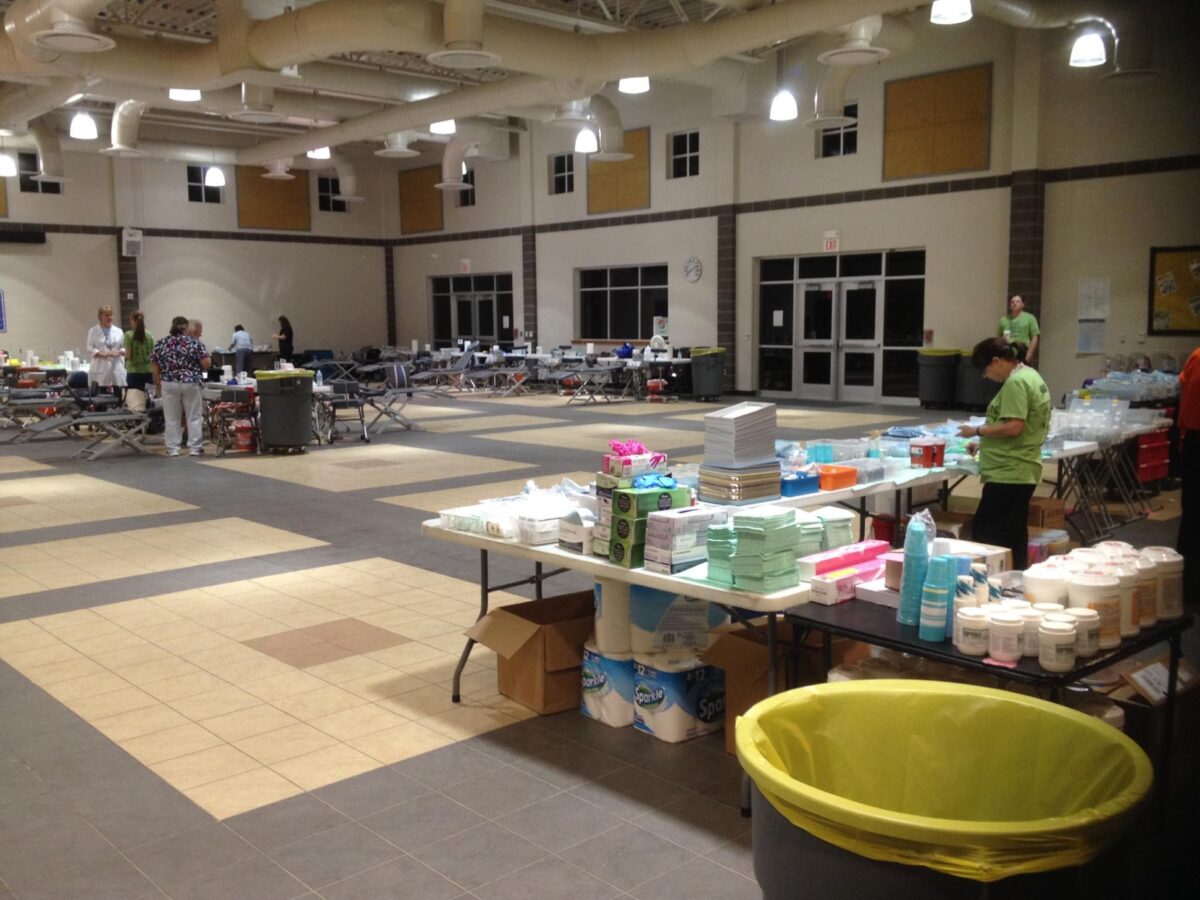
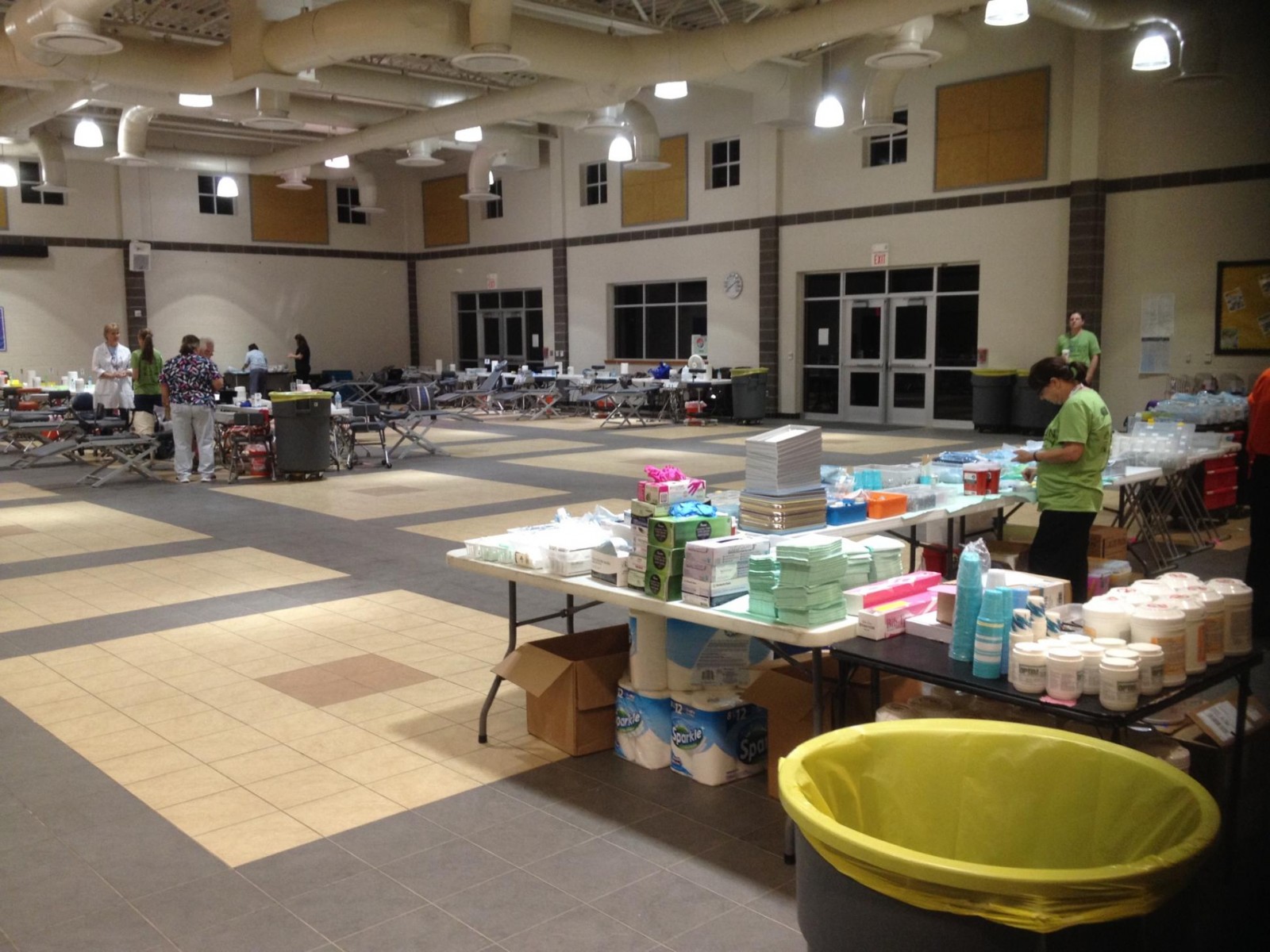
Methodist Healthcare Ministries Wesley Nurses recently participated in Texas Mission of Mercy – a mobile dental clinic that travels around the state providing basic dental care (including cleanings, fillings, or extractions), free of charge, to uninsured Texans. They provide services without any pre-qualifications; therefore, patients do not have to prove their poverty or residency. The event was held at Brady High School in Brady, Texas, and brought much-needed oral health care to the area. Volunteer dentists (assisted by volunteer dental students, hygienists, and dental assistants) examined and treated 238 patients in attendance.

Three Wesley Nurses – Theresa Whitley (Mertzon), Theresa Standage (Kerrville) and Charlotte Johnson (Brady) – served alongside the more than 200 volunteers by registering clients and assisting them with their health assessments.

"I am so proud to have been part of this service, especially after listening to patients express how happy they were to be able to smile and show their teeth and to have rotted teeth removed," said Johnson. "One man told me his mouth had never felt so clean."

Patients were lined up at the door at 5:30 a.m. Some slept in front of the school because they didn't want to miss the opportunity to be seen. Some drove all night to get to the event because this was their only opportunity to get dental care. Most patients were local, but some came from as far as Austin, Houston, Beaumont, and Fredericksburg. Texas Mission of Mercy provided help to people with dental problems, such as cavities, broken teeth, swollen gums, tooth infections, and cleanings, that hadn't been addressed for years.

"Many of the volunteers had been up since 2:00 a.m. getting ready for the event, but no complaints were heard and everyone seemed happy to be there," stated Standage. "I was amazed at the community involvement in Brady, and to see the volunteers interacting and assisting patients with a kind, caring heart. So many came together for the greater good of those in need," said Johnson.

Whitley shared that this was a fulfilling experience. "I had the opportunity to talk with many individuals from different parts of Texas and from various backgrounds – a retired DPS officer, a retired veteran, a pregnant woman, and a waitress, just to name a few," said Whitley. "However, there was one elderly gentleman that I had a conversation with that just really touched my heart. He thanked me for volunteering my time and said that we were 'angels' there to help all the people that came. I told the gentleman that I was the one who was blessed, more than he would ever know."

Wesley Nurse Theresa Standage is working with her community for Texas Mission of Mercy's Kerrville event on March 25, 2017. To volunteer, please email tstandage@mhm.org

Contributing authors: Ann Scarth, Charlotte Johnson, Teresa Whitley and Theresa Standage.

Listening in the Coastal Bend

By Tim Barr, collective impact strategy manager

"If you have come here to help me, you are wasting your time. But if you have come because your liberation is bound up with mine, then let us work together." – Australian Aboriginal Collective

For years, I have really appreciated this quote because it speaks to a fundamental truth of community engagement. In the long-run, communities do not need outsiders to come offer help and salvation. At Methodist Healthcare Ministries, we believe in the power of asset-based community development (ABCD), which recognizes that each community has immeasurable resources and untapped potential.

If we hope to see communities grow healthier and stronger, the role of an outsider is not to come with answers and solutions. Instead, outsiders must listen well, especially to those who are most familiar with the challenges. Truly liberating community engagement acknowledges that we are all interconnected and that liberation only happens when there is mutual respect and trust.

Grantmakers for Effective Organizations, an organization that advances smarter grant-making practices to enable nonprofits to grow stronger and achieve better results, underscores this conviction:

Effective stakeholder engagement starts and ends with respect — respect for the expertise that those on the front lines bring to the problems affecting their community, and respect for their capacity to develop solutions if given the chance. Assessing whether stakeholder engagement strategies have truly taken hold requires a shift in our traditional approach to evaluation and learning processes and the factors that constitute success.

Methodist Healthcare Ministries' board of directors prioritized the Coastal Bend region for increased investment, including staff time, grant-making and coordination of efforts. For several months, we've been listening in Corpus Christi and the Coastal Bend regions and have conducted:

–  13 interviews with Methodist Healthcare Ministries staff (Wesley Nurses and Community Health Workers)
–  5 interviews with Methodist Healthcare Ministries funded partners
–  17 interviews with community organizations
–  7 coalition meetings

To add more detail, 23 of the 35 interviews were with people or organizations based in Corpus Christi, and the remaining 12 were in rural areas outside the city. In addition to interviews, Methodist Healthcare Ministries is also conducting research on South Texas health concerns, following health-related stories in local newspapers, and contacting chambers of commerce to learn about upcoming events. Every piece of information is an opportunity to see a bigger picture and enhance the alignment of resources, stakeholders and plans.

While Methodist Healthcare Ministries is not conducting a formal Health Impact Assessment, the same principles and practices are being followed. Consistent with the methodology of the World Health Organization, we are relying on a mixture of quantitative, qualitative and participatory techniques to understand current health disparities and illuminate large-scale choices that will improve health and well-being for the working poor throughout this region.

While this might seem like a lot of listening – and not much doing – the truth of the matter is that we are only beginning to hear and understand what might be possible. Decision making will be significantly stronger and more effective if we are both patient and purposeful – building trust with community leaders, and discerning how best to work collectively. It is critical that we hear from a diverse pool of cross-sector partners such as nonprofits, churches, funders, and government to align efforts and address complex social problems. It is particularly important that we hear from leaders who look like and are accountable to the communities they are leading.

As our work evolves in the Coastal Bend, we will continue to prioritize relationship-building, research, and alignment of resources. Listening for common concerns and hopes, we know that a strengths-based, relational approach holds the most potential for effective and long-term system change. Indeed, let us recognize how our liberation is bound up together, and let us work together to improve the health of all who live in the Coastal Bend.

Tim Barr is the Collective Impact Strategy Manger for Methodist Healthcare Ministries and he supports, develops, and facilitates collaborative efforts in the Coastal Bend region.

How I fight compassion fatigue

By Pam Castles, MSN, MASF, RN, Wesley Nurse

When I started working as a Methodist Healthcare Ministries Wesley Nurse in October 2015, I had so many plans for my new ministry, and then God said, "Not so fast." I lost my mother in January and then my father in February. It has been a difficult start to a new job, to say the least, but I've had wonderful support from many team members. I have also been seeing my spiritual director more frequently which has provided the spiritual support that is so necessary when grieving.

My spiritual director and I have talked about many things that play a role in my physical, mental and spiritual health. We've talked about my role as a faith community nurse, the marginalization of the clients we see, and the stress we all experience in this role.

Providing care and compassion has both positive and negative impacts. To repeatedly hear stories about traumatic things happening to people opens our hearts in a way that we can relate to others with empathy, thus allowing us to better offer our knowledge and skills to improve their lives. However, we are also susceptible to trauma that is considered secondary in nature.

Compassion fatigue, the emotional strain that results when an individual hears about the firsthand trauma experiences of another, is frequently experienced by those in the caring professions. This secondary traumatization can result from working with patients who for example are experiencing homelessness, physical or emotional abuse, incarceration, and/or terminal illness. It is essential for caregivers to understand that even when you have not experienced loss or personal trauma, the act of caring for others who have puts you at risk for compassion fatigue.

In order to manage compassion fatigue, we must be able to identify the symptoms and causes. Some indicators of compassion fatigue include difficulty sleeping, feeling afraid, feeling a lost sense of self, emotional burnout, isolation, or feeling a reduced sense of personal accomplishment at work. Next, we must be willing to engage in professional and personal practices in which we do things differently. Self-care becomes more than a nice idea; it is an essential tool to perform our jobs as caregivers and compassionate healers. By better understanding the risks of compassion fatigue and how it impacts our professional and personal functioning, we have taken the first steps to experiencing the blessing and joy our work can provide.

Pam Castles, MSN, MASF, RN is a Wesley Nurse at Methodist Healthcare Ministries of South Texas, Inc. Methodist Healthcare Ministries' Wesley Nurse program is a faith-based, holistic health and wellness program committed to serving the least-served through education, health promotion and collaboration with individuals and communities to achieve improved wellness through self-empowerment. Learn more at www.mhm.org/programs/health-ministries

Engaging the strengths of people and the community in health

By Catalina Schultze-Kraft, MSN, RN, staff development manager

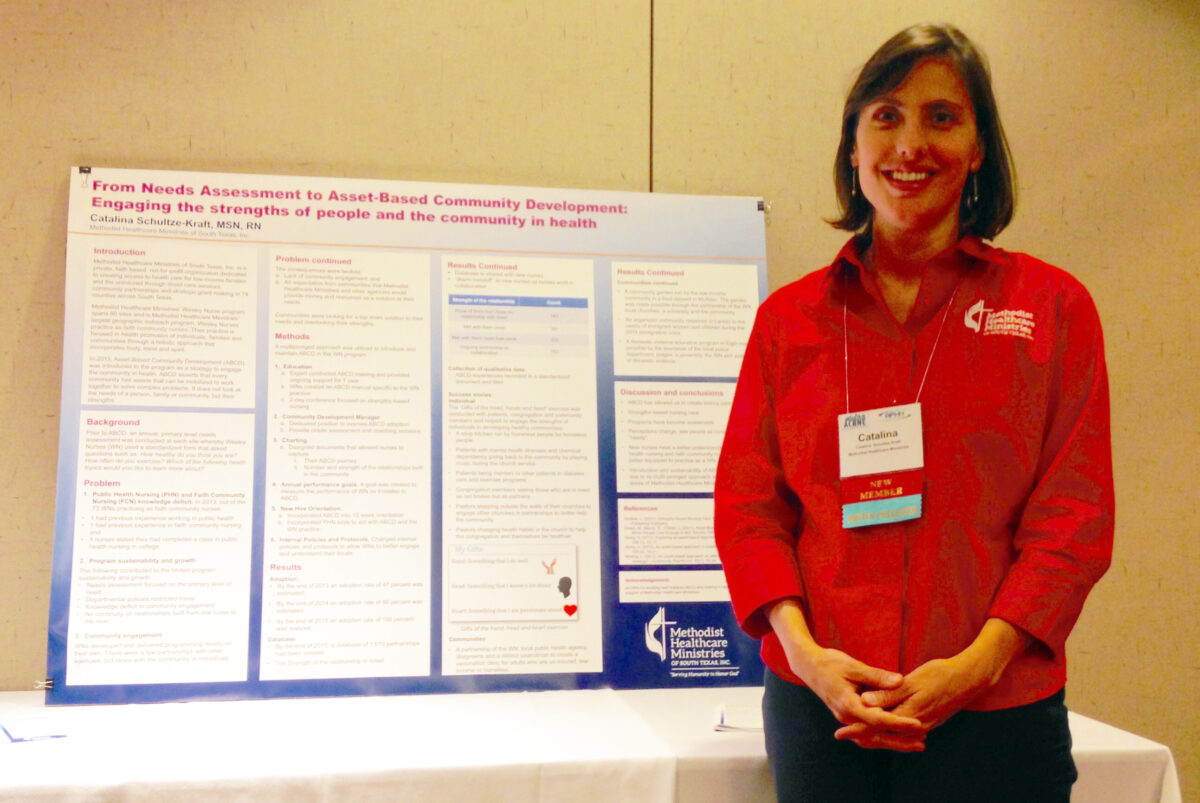
I recently had the honor of presenting at the 2016 Joint Meeting of the Association of Public Health Nurses (APHN) and the Association of Community Health Nurse Educators (ACHNE), held in Indianapolis. The conference, Public Health Nursing: Key to Our Nation's Health, focused on continuing the advancement of public health research and practice in the U.S.

Representatives from health departments of every state convened as well as public health nurses, public health and community health nursing educators, public health leaders, and students and partners interested in public health, health equity, population health, and other public health issues.

Being a presenter gave me the opportunity to describe a small piece of what Methodist Healthcare Ministries is doing to a larger audience. It allowed me to have conversations with people who work in various areas of public health. My presentation, "From Needs Assessment to Asset-Based Community Development: Engaging the strengths of people and the community in health," touched on Methodist Healthcare Ministries' approach to building and maintaining health throughout 74 counties in South Texas. Most striking for attendees was the large area Methodist Healthcare Ministries serves and how we are able to successfully implement initiatives such as Asset-Based Community Development (ABCD) in such a large geographic area.

Asset-Based Community Development (ABCD) was introduced to our Wesley Nurses in 2013 as a strategy to engage the community in health. ABCD asserts that every community has assets that can be mobilized to work together to solve complex problems. It does not look at the needs of a person, family or community, but their strengths. As a result, ABCD has allowed us to create lasting partnerships. New nurses to Methodist Healthcare Ministries have a better understanding of public health nursing and faith community nursing and are better equipped to practice as a Wesley Nurse. Perceptions have also changed and people are seen as contributors to the community.

As a conference attendee, my biggest takeaway was an initiative that public health leaders have developed to help all areas look for solutions to health problems. The "Triple Aim for Health Equity" focuses on:

  1. Expanding the understanding of what creates health. This means making sure that Social Determinants of Health (the conditions in which people are born, grow, live, work and age) are addressed when talking about health.
  2. Taking a "health in all policies" approach. Health equity is the goal. Health doesn't only mean access to health care, but also encompasses where we live, learn, work and play.
  3. Strengthening community capacity. Involving communities in health care can foster connectedness and trust, improve assessment efforts, and build a capacity of individuals to positively affect their community's future.

This year, I wanted to explore other nursing areas, in addition to faith community nursing, that align with Methodist Healthcare Ministries' mission. I wanted to explore where we rank in comparison to other programs that academia, governmental organizations, and not-for-profits are managing. This conference confirmed to me that our nursing team, and our organization overall, is headed in the right direction. We have a unique model that allows us to accomplish things other health departments are unable to do and improve the physical, mental and spiritual health of the least-served in South Texas.

Catalina Schultze-Kraft, MSN, RN, is a staff development manager for the Wesley Nurse program at Methodist Healthcare Ministries of South Texas, Inc. Methodist Healthcare Ministries' Wesley Nurse program is a faith-based, holistic health and wellness program committed to serving the least-served through education, health promotion and collaboration with individuals and communities to achieve improved wellness through self-empowerment. Learn more at www.mhm.org/programs/health-ministries

Harnessing community and innovation into collective impact

Senior Vice President of Strategic Planning & Growth, Rebecca Brune, recently spoke on behalf of Methodist Healthcare Ministries of South Texas Inc. at the Council on Foundation's 2016 Annual Conference in Washington D.C. Over 1,300 attendees gathered from across the country to advocate the importance of philanthropy and to connect with others in the field and enhance their skills. As one of three panelists for the "Harnessing community and innovation into collective impact" session, Brune provided an overview of Methodist Healthcare Ministries' Sí Texas: Social Innovation for a Healthy South Texas Project (Sí Texas Project), a Social Innovation Fund program, and its impact in South Texas.

The panel session was moderated by Lois Nembhard, Deputy Director for the Social Innovation Fund – a program of the Corporation for National and Community Service that combines public and private resources to grow the impact of innovative, community-based solutions that have compelling evidence of improving the lives of people in low-income communities throughout the United States.

Session speakers discussed progress made on their shared purpose initiatives. Additional panelists included fellow Social Innovation Fund grantees, Avo Makdessian, director of Silicon Valley Community Foundation's Center for Early Learning, who discussed early childhood education in San Mateo County; and Marc McDonald, director of grants management for the AARP Foundation who touched on back to work economic stability for women age 50 and above nationwide. Brune depicted how the Sí Texas Project is largely centered on the treatment of chronic disease and related behavioral health conditions in twelve South Texas counties.

Sí Texas focuses on integrated behavioral health models that are effectively improving health outcomes in communities with high rates of poverty, depression, diabetes, obesity and associated risk factors. Brune explained that Methodist Healthcare Ministries' Sí Texas project stimulates local solutions that improve both physical and behavioral health together, such as diabetes and depression. The project targets 12 South Texas counties: Cameron, Hidalgo, Starr, Willacy, Kenedy, Brooks, Jim Hogg, Zapata, Duval, Jim Wells, Kleberg and Webb. Methodist Healthcare Ministries is the first faith-based organization to receive funding from the Social Innovation Fund program. The project leverages both federal and non-federal dollars to South Texas that otherwise would not have been available to the region.

Shared measures are essential for any collective impact effort, but agreeing to them can be a challenging process. At the end of the session, attendees were taught how to assess the value of shared measures, and how to align multiple programs around the same performance measures.

For more on Methodist Healthcare Ministries and the Sí Texas Project, visit http://www.mhm.org/programs/sitexas. For more information about The Council on Foundations, which aims to provide the opportunity, leadership, and tools needed by philanthropic organizations to expand, enhance, and sustain their ability to advance the common good, visit http://www.cof.org/

White close icon

Jaime Wesoloski

President & Chief Executive Officer

Jaime Wesolowski is the President and Chief Executive Officer at Methodist Healthcare Ministries. A healthcare executive with three decades of leadership experience, Jaime is responsible for the overall governance and direction of Methodist Healthcare Ministries. Jaime earned his Master’s Degree in Healthcare Administration from Xavier University, and his Bachelor’s of Science from Indiana University in Healthcare Administration. As a cancer survivor, Jaime is a staunch supporter of the American Cancer Society. He serves as Chair of the American Cancer Society’s South Texas Area board of directors and he was appointed as Chair to the recently created South Region Advisory Cabinet, covering eight states from Arizona through Alabama. Jaime believes his personal experience as a cancer survivor has given him more defined insight and compassion to the physical, emotional, and spiritual needs of patients and their families.